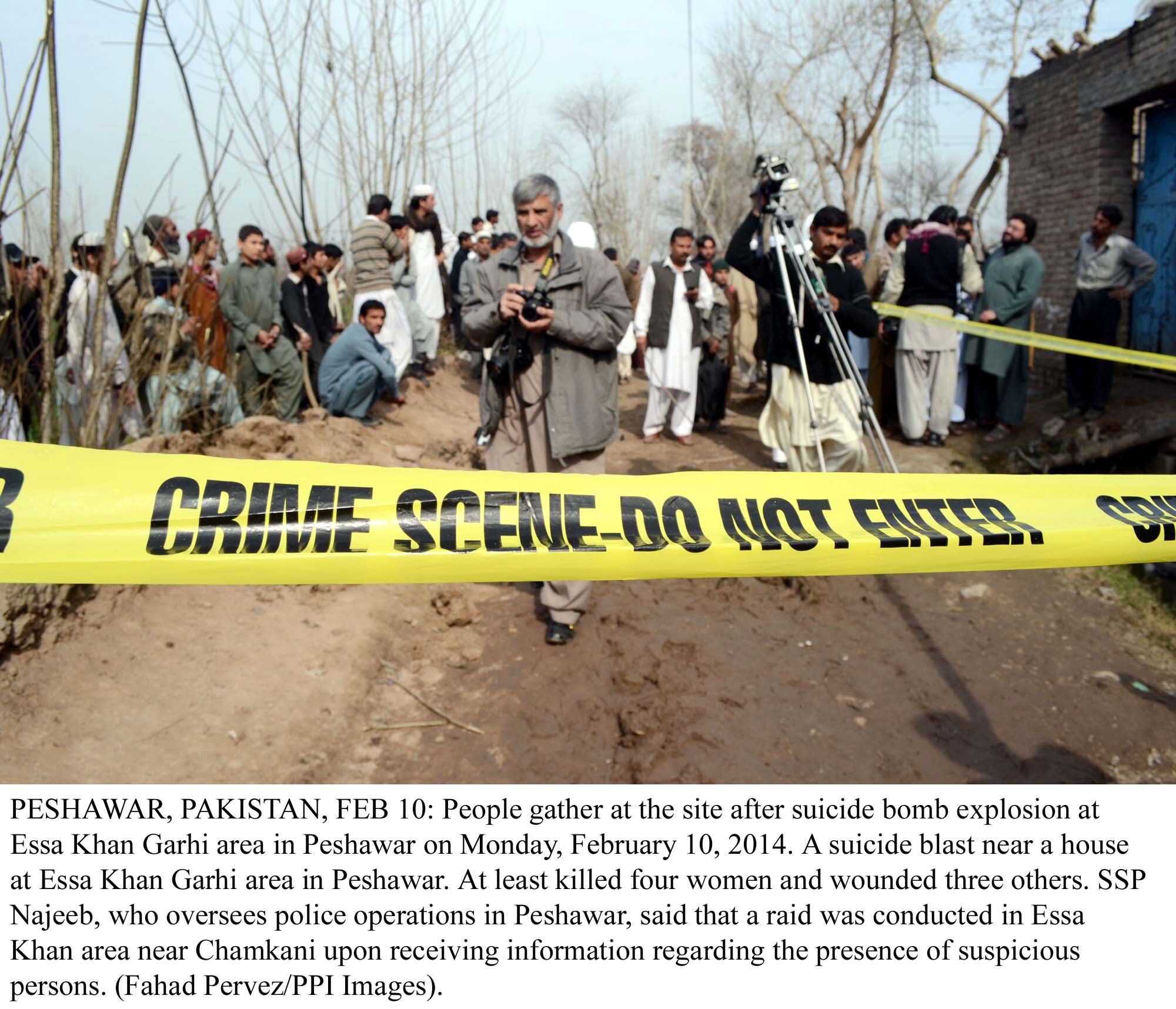
It happened right when people were starting to breathe a sigh of relief. Friday prayers had just wrapped up. In the town of Akora Khattak, the massive Darul Uloom Haqqania seminary—a place often called the "University of Jihad" by Western analysts—was bustling with thousands of students and worshippers. Then, the air shattered.
A suicide bomber, appearing out of nowhere, detonated his vest near the main gate. The target? Maulana Hamidul Haq Haqqani, the head of the seminary and chief of his own faction of the Jamiat Ulema-e-Islam (JUI-S). Honestly, the timing couldn't have been more calculated. It was February 28, 2025, just days before the start of Ramadan, on the final day of the academic year for the madrassa students.
The Scene on the Ground
If you’ve ever seen the Haqqania complex, you know it’s like a fortress. Heavily guarded. Dozens of police officers were on duty alongside the seminary's own security detail. Yet, the attacker managed to slip through a side gate.
Yawar Zia, a police officer who was actually there on duty, described a nightmare scenario from his hospital bed. He said he was just leaving the mosque when a "powerful explosion" knocked him unconscious. When the smoke cleared, at least eight people were dead, including Maulana Hamidul Haq himself. About 20 others were left with shrapnel wounds, some fighting for their lives in hospitals across Nowshera and Peshawar.
Why This Specific Target?
You sort of have to look at the history to understand why this hit so hard. Hamidul Haq wasn't just any cleric. He was the son of Maulana Samiul Haq, the man famously known as the "Father of the Taliban." The elder Haq was assassinated back in 2018 in Rawalpindi, and his son had been carrying the torch ever since.
This seminary is famous—or infamous, depending on who you ask—for its alumni list. We're talking about senior leaders of the Afghan Taliban like Sirajuddin Haqqani and Amir Khan Muttaqi. It follows the Deobandi school of thought, which basically puts it at odds with groups like IS-K (Islamic State-Khorasan), who follow a more radical Salafist ideology.
Who Is Behind the Akora Khattak Blast News?
While the Tehreek-e-Taliban Pakistan (TTP) and the Afghan Taliban were quick to condemn the attack, the finger of suspicion pointed elsewhere. Security experts like Ihsanullah Tipu from The Khorasan Diary suggested that IS-K is the most likely culprit.
Why? Because IS-K and the Taliban are in a brutal ideological war. By hitting a place as symbolic as Haqqania, IS-K is basically sending a message that no one—not even the most influential Deobandi leaders—is safe. It’s a terrifying shift in the security landscape of Khyber Pakhtunkhwa.
The Broader Pattern of Violence in 2025
This wasn't an isolated incident. On the very same day as the Akora Khattak blast, another bombing hit a marketplace in the Orakzai District. The province of Khyber Pakhtunkhwa (KP) has been seeing a massive spike in militant activity lately.
- 1,500+ deaths: That was the toll in Pakistan last year alone due to militant attacks.
- Targeting Clerics: It's not just security forces anymore; high-profile religious leaders are now firmly in the crosshairs.
- Border Tension: Much of this stems from the complex relationship between the TTP, the Afghan Taliban, and the Pakistani state.
The Aftermath and Public Reaction
The funeral for Maulana Hamidul Haq was held on March 1, 2025. Thousands of people showed up. Despite the anger, the Haq family urged followers to stay peaceful, which probably prevented some immediate rioting. President Asif Ali Zardari and Prime Minister Shehbaz Sharif issued the usual condemnations, calling the attackers "enemies of humanity," but for the people living in Nowshera, those words feel a bit thin.
Actionable Security Insights
If you live in or are traveling through the Khyber Pakhtunkhwa region, the reality of the security situation is something you can't ignore. Based on the current trajectory of these incidents, here are some practical steps to stay informed and safe:
- Monitor Local Conflict Portals: Don't just rely on mainstream TV news. Websites like The Khorasan Diary or ACLED provide much more granular data on where specific militant groups are active.
- Avoid High-Profile Congregations: During periods of political or religious transition—like the end of an academic year or the start of Ramadan—large gatherings at symbolic institutions are statistically at higher risk.
- Check Road Conditions via District Police: The Grand Trunk (GT) road near Nowshera often sees snap checkpoints or closures following major blasts. Check the "KPK Police" social media handles for real-time traffic alerts.
- Verify Information Before Sharing: In the wake of the Akora Khattak blast, a lot of old videos from 2018 and 2023 started circulating as "new" footage. Always cross-check timestamps to avoid spreading panic.
The security situation in 2026 remains fluid. The conflict between IS-K and the Taliban-aligned groups is increasingly being fought on Pakistani soil, and places like Akora Khattak are unfortunately caught right in the middle. Staying vigilant is basically the only option.
To stay updated on this situation, you should follow the official reports from the Nowshera District Police and the Khyber Pakhtunkhwa Provincial Government, as they provide the most accurate casualty counts and investigation updates. For a deeper understanding of the ideological roots of this conflict, researching the Deobandi-Salafi schism in South Asia will provide the necessary context that daily news often skips.