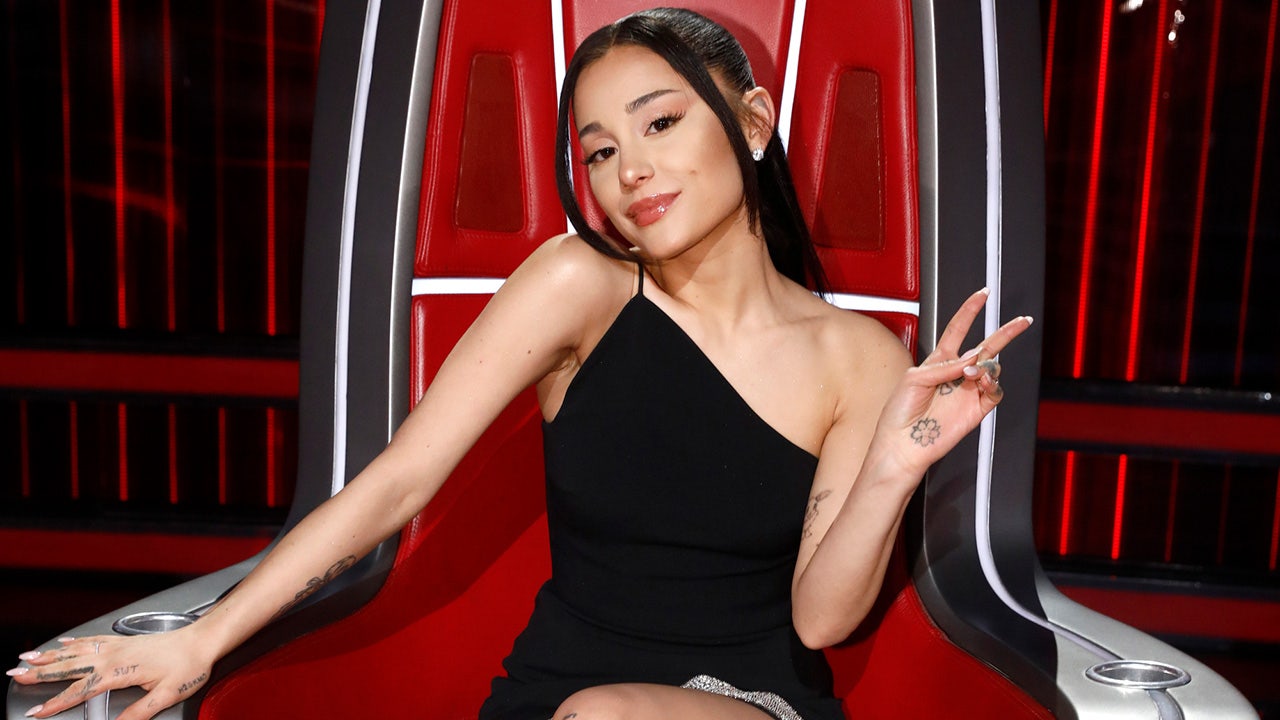
Ariana Grande has been under a microscope since she was 16. It's a lot. People see the high ponytails and the Glinda gowns, but the reality of her health is way more complicated than what you see on a red carpet. Honestly, if you’ve been following her lately, you know the internet has been spiraling with theories.
Is she okay? What’s the deal with her weight? Why does her voice keep changing?
The phrase Ariana Grande health disorder often pops up in search bars because fans are genuinely worried. But the truth isn't just one thing. It's a mix of severe trauma, physical vocal strain, and a lifelong battle with anxiety that basically "has its own anxiety," as she once put it.
The PTSD Brain Scan That Shook Everyone
Back in 2019, Ariana posted something on her Instagram story that most celebrities would never dream of sharing. It was a screenshot of her brain scans.
She compared a "healthy brain" to a "PTSD brain." Then she showed hers.
Her scan was lit up like a Christmas tree in all the wrong ways. It showed high levels of activity in areas associated with trauma. She captioned it “hilarious and terrifying... not a joke.” While scientists later pointed out that you can’t officially diagnose PTSD with a single SPECT scan, the image made one thing very clear: her brain had been physically altered by what happened in Manchester.
The 2017 bombing at her concert didn't just cause emotional pain. It caused physical symptoms. We’re talking dizzy spells so bad she couldn't breathe and a feeling of being "upside down" for months.
PTSD is a monster. It doesn't just go away because you have a hit album. It lingers. Even years later, during the Wicked press tour in late 2025, sources close to her family mentioned she was still struggling with the sheer exhaustion of it all.
The Vocal Metamorphosis and Glinda’s "Ghost"
If you’ve watched a recent interview, you’ve heard it. Her voice is different. It’s higher, softer, and—let’s be real—a little jarring if you’re used to her 2014 era.
Some people thought it was a health disorder. Others thought she was just "method acting."
Ariana actually cleared this up on Podcrushed. She explained that she intentionally changes her vocal placement to protect her vocal health. Remember, she had a vocal fold hemorrhage back in 2013. That’s a big deal for a singer with her range. When you’re singing the score of Wicked every day for two years, you have to find a way to speak that doesn't shred your cords.
Why her voice shifts:
- Muscle Memory: Spending years as Galinda makes the high-placed "placement" stick.
- Vocal Preservation: Speaking in a lower, throatier register can actually be more tiring for her.
- The "Petri Dish" Effect: She’s admitted to being a "specimen" in public, and the stress of that scrutiny often manifests in how she carries herself—and how she sounds.
Addressing the Body Scrutiny
We have to talk about the weight loss. It’s the elephant in the room. In 2023 and 2024, the comments became so loud that Ariana had to film a TikTok just to ask people to be "gentler."
She dropped a truth bomb: the body people were comparing her current self to—the one they thought looked "healthy"—was actually her at her most unhealthiest. At that time, she was on a lot of antidepressants, drinking heavily while taking them, and eating poorly. She was at the lowest point of her life, yet that was when the public thought she looked "right."
It’s a massive wake-up call about how we perceive health.
Recently, in late 2025, she reshared those sentiments. She’s tired of being a "specimen." Whether it’s rumors about an eating disorder or just the natural result of a grueling filming schedule, she’s pushed back hard against the idea that anyone knows what's happening behind closed doors.
OCD and the "Off-Season" Struggle
Something a lot of people miss is her battle with Obsessive-Compulsive Disorder (OCD). She’s been open about having it since she was a kid.
When she’s working? She’s fine. The routine of a set or a tour keeps the "scary things" away. But when she’s in an "off-season"? That’s when the intrusive thoughts and germaphobia tend to creep back in.
It’s a constant management game.
What can we learn from her journey?
Honestly, the biggest takeaway from the whole Ariana Grande health disorder discourse is that health is invisible. You can have a "healthy-looking" body and be crumbling inside on meds. You can have a "terrifying" brain scan and still show up to work every day.
If you’re struggling with similar issues—whether it’s the physical weight of anxiety or the "brain fog" of trauma—there are actual steps to take.
- Get a real assessment. Don't rely on "brain scans" from Instagram. Talk to a licensed therapist who specializes in EMDR or Cognitive Behavioral Therapy (CBT) for trauma.
- Audit your "healthy" baseline. Like Ariana said, your "best" look might be your "worst" internal state. Focus on how you feel, not the mirror.
- Set vocal and social boundaries. If you’re feeling depleted, it’s okay to change how you show up—even if people find it "weird" or "different."
Ariana isn't a character; she's a person dealing with a lot of high-level stress. The best thing we can do is let her heal in peace while we focus on our own "unseen" health.