You’ve seen the headlines. Maybe you saw a travel advisory pop up on your feed or heard a whisper about a spike in crime. Now you're staring at those turquoise water photos and wondering: Bahamas: is it safe to travel right now? Honestly, the answer isn't a simple yes or no. It’s a "yes, but."
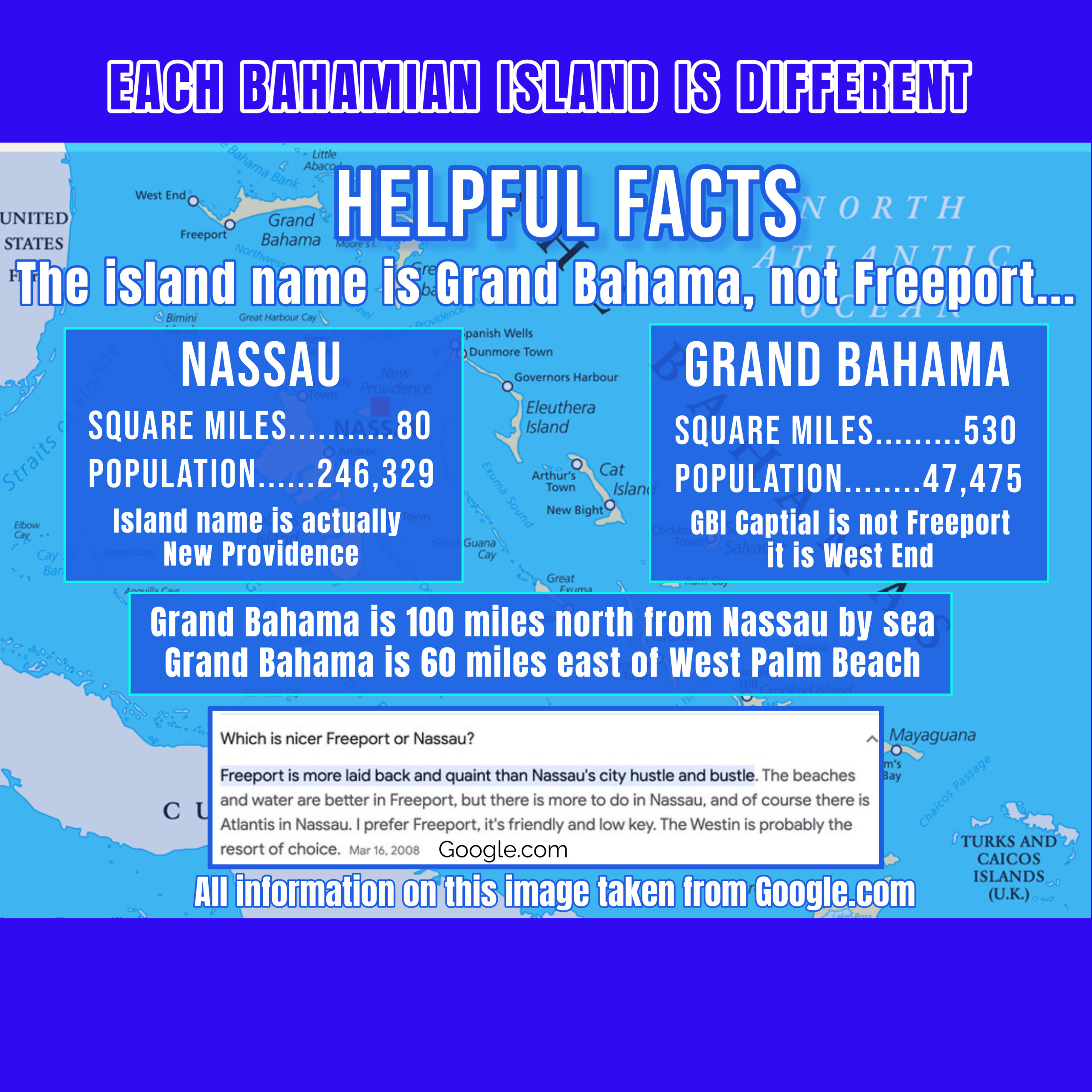
Most people think of the Bahamas as one big resort. It's actually an archipelago of 700 islands.
Going to a private cay in the Exumas is a world away from walking through the "Over the Hill" neighborhood in Nassau at 2:00 AM. If you want the truth, you have to look at the geography of the risk.
The Reality of Bahamas Travel Safety Today
As of early 2026, the U.S. State Department still maintains a Level 2: Exercise Increased Caution advisory for the Bahamas. This sounds scary. However, to put it in perspective, popular destinations like France, Italy, and the UK often carry this same "Level 2" tag.
The primary driver for this is violent crime, but here is the nuance: most of that violence is concentrated in very specific areas of Nassau and Freeport. We’re talking about gang-on-gang incidents that rarely, if ever, cross the threshold into the high-end tourist zones.
But things happen.
In the last year, there were reports of armed robberies and sexual assaults, even near resort areas. The Royal Bahamas Police Force has stepped up patrols in downtown Nassau, and you’ll see them—sometimes even on bicycles or foot—specifically looking out for the tourist crowd. They take the "tourism economy" safety very seriously.
Nassau vs. The Out Islands: A Safety Divide
If you are staying at a major resort like Atlantis on Paradise Island or Baha Mar on Cable Beach, you are in a bubble. These places have private security that is, frankly, better than some small-town police forces.
But once you leave the gates?
- Downtown Nassau: Totally fine during the day. It’s vibrant and busy. But after the cruise ships leave and the sun goes down, it gets quiet. Avoid walking alone in unlit areas.
- "Over the Hill": This is the area south of Shirley Street. Unless you have a specific reason to be there and a local guide you trust, just don't go. It's where the majority of the local-on-local crime occurs.
- The Out Islands (Abacos, Eleuthera, Exumas): This is the Bahamas people dream about. Crime here is almost non-existent. It’s "leave your door unlocked" kind of safe (though you still shouldn't). The biggest "danger" in the Out Islands is probably a sunburn or a falling coconut.
The Jet Ski Warning No One Mentions
This is a weird one, but it's important. The U.S. government actually prohibits its employees from using jet skis from independent operators on New Providence and Paradise Island.
Why? Because the water sports industry there is notoriously under-regulated.
There have been reports of sexual assaults by operators, and the equipment isn't always maintained to the highest safety standards. If you want to hit the water, book through your resort. It might cost $20 more, but they’ve vetted the staff and the machines.
Sharks, Currents, and the "Hidden" Dangers
Forget the crime for a second. The most common "safety" issues tourists face in the Bahamas are environmental.
In late 2025, there was a string of shark encounters that made international news. While shark attacks are statistically incredibly rare, they do happen. Local experts recommend staying out of the water at dusk or dawn. Also, if you see people cleaning fish or throwing bait nearby, get out. It’s just common sense.
Then there's the sun. It is brutal. 180°C? No, but it feels like it on your skin. Dehydration and heatstroke send more tourists to the clinic than muggings do. Drink more water than you think you need.
Scams to Watch Out For
You probably won't get robbed, but you might get "nickeled and dimed."
- The "Friendly" ATM Helper: If someone approaches you at an ATM offering to help you avoid fees, walk away. They are either looking for your PIN or waiting to follow you.
- Unlicensed Taxis: Look for the yellow license plates with "TN" on them. Those are the official ones. Always, always agree on the price before the car starts moving. Taxis in the Bahamas don't use meters.
- The "Free" Shell Gift: Someone hands you a shell or a bracelet and says it’s a gift. Then they ask for a "donation" for their school or church. It’s not a gift; it’s a sales tactic.
Is the Bahamas Safe for Solo Women?
Yes, generally. But the "vacation brain" is real.
When you’re in a beautiful place, you let your guard down. Don't leave your drink unattended at a beach bar. Don't accept rides from strangers just because they seem "island-friendly." If you’re using a dating app, meet in a public place like a hotel lobby.
Stick to the well-traveled paths and you’ll likely have a fantastic, incident-free trip.
Final Practical Steps for a Safe Trip
If you’re planning a trip to the Bahamas in 2026, don't cancel your flight. Just be smart.
- Enroll in STEP: The Smart Traveler Enrollment Program. It’s a free service from the U.S. government that lets the embassy know you’re in the country.
- Get Travel Insurance: Not just for the "what if I get robbed" scenarios, but for medical evacuations. If you get seriously injured on a remote island, you might need a flight to Florida. That costs thousands.
- Leave the Bling at Home: Don’t wear a $10,000 watch to a local fish fry. It makes you a target for opportunistic theft.
- Lock the Balcony: Even if you’re on the third floor of a resort, lock your balcony doors at night.
The Bahamas is a stunning, welcoming place. The "safety" conversation is mostly about awareness. If you stay in reputable areas, watch your surroundings, and respect the local warnings, you’re going to have a world-class vacation.
To ensure you stay updated while on the islands, download the BeAlert app for real-time local safety notifications and weather updates. Stick to registered tour operators for all water activities to ensure your equipment and guides are fully insured and vetted by the Bahamas Ministry of Tourism.