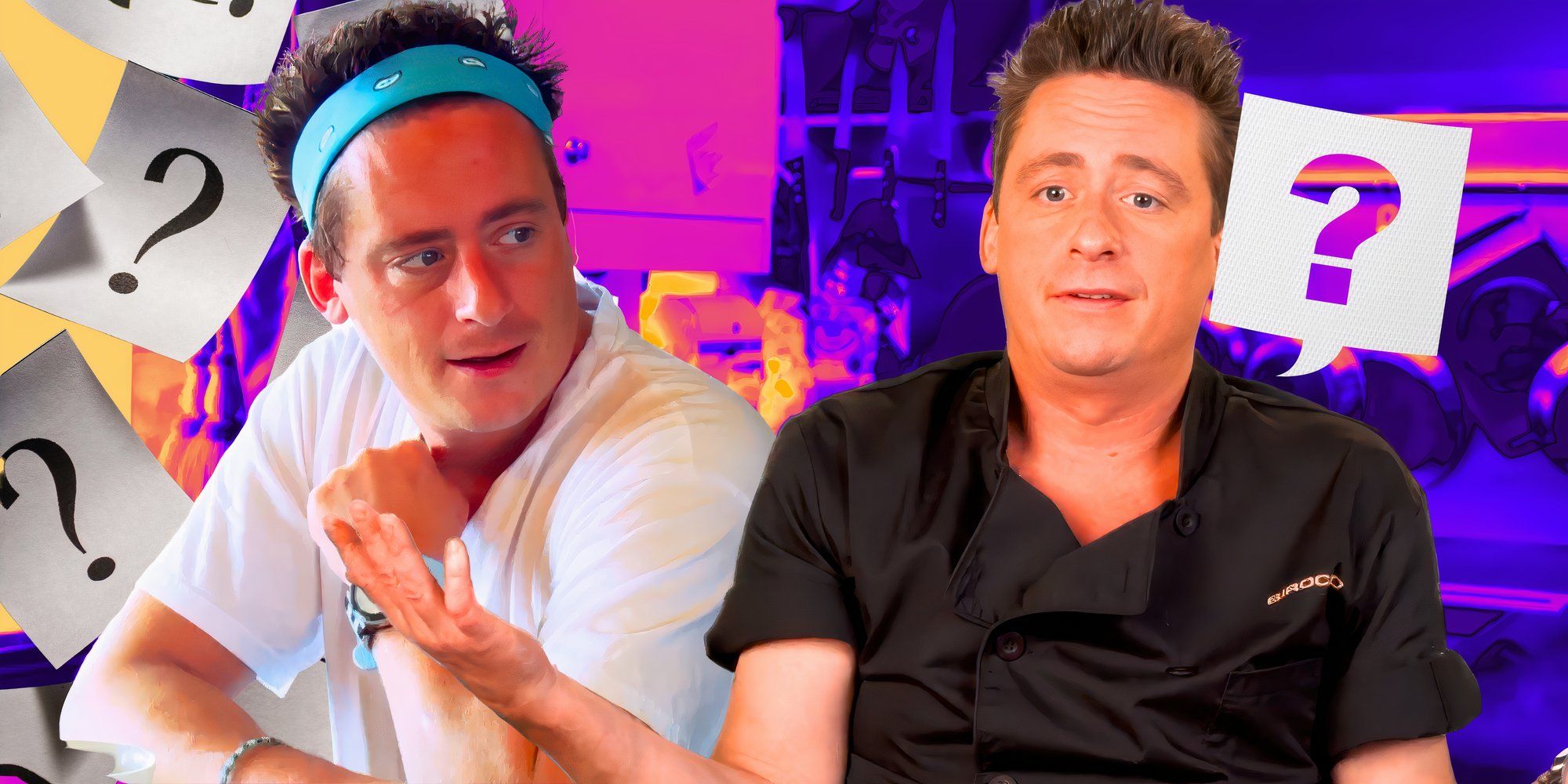
If you close your eyes and think about a galley kitchen on a multi-million dollar superyacht, you probably hear one specific, cackling laugh. It’s high-pitched. It’s slightly posh. It’s unmistakable. Ben Robinson, the chef who basically birthed the Below Deck franchise, is more than just a guy who cooks fish on TV. He's the blueprint.
He's the chaos.
When people search for Ben Below Deck chef, they aren't just looking for a recipe for beef carpaccio. They’re looking for the guy who managed to balance Michelin-star expectations with the claustrophobic nightmare of living in a floating tin can with people he mostly wanted to throw overboard. Ben wasn’t just a cast member; he was the emotional barometer of the early seasons of both the original series and Below Deck Mediterranean.
Most fans remember the tantrums. The "get out of my galley" screams. But if you look closer at those early episodes, Ben was doing something much harder than just plating food. He was inventing a sub-genre of reality TV. Before him, we didn't really get how high the stakes were for a yacht chef. If the primary wants eggs at 3:00 AM, you get up. If the provisioning company forgets the truffles, you improvise. Ben made that stress feel like Shakespearean drama.
The Michelin Pedigree vs. Reality TV Chaos
There’s a common misconception that reality TV chefs are just "TV cooks." With Ben, that’s just factually wrong. He actually put in the work long before Bravo came calling. He trained under the legendary Heston Blumenthal at The Fat Duck—a three-Michelin-star restaurant in the UK that is famously difficult to work at. That’s where the precision comes from.
That background is why he was so offended when a guest asked for ketchup or when a stew dared to walk through his kitchen during a rush. It wasn't just ego. It was a clash of worlds. You have a guy trained in the highest level of culinary discipline trying to serve world-class meals while a drunk charter guest is doing cannonballs into the Mediterranean ten feet away.
Honestly, it’s a miracle he didn’t quit sooner.
The transition from a high-end kitchen to a yacht galley is brutal. On land, you have a team. You have a sous chef, a pastry chef, and a dishwasher. On the Ionian Princess or the Valiant Lady, you have... you. Ben was the entire department. He was the one peeling the potatoes and the one plating the $500-an-ounce caviar. That isolation is what led to those legendary "Ben meltdowns." It’s also what made him the most relatable person on the boat for anyone who has ever felt overworked and underappreciated.
Why the Romance with Kate Chastain Worked (And Why It Didn't)
You can't talk about Ben Below Deck chef without talking about Kate Chastain. Their dynamic was the engine of the show for years. It wasn't just "will they, won't they." It was more like two highly intelligent, slightly cynical professionals who were the only ones who understood how ridiculous their jobs were.
They had a shorthand. They fought like siblings and flirted like exes.
When Ben joined Below Deck Med Season 4 as a mid-season replacement, the vibe shifted immediately. The crew was struggling. The food was mediocre. Ben walked in, dropped his bags, and immediately raised the bar—not just for the food, but for the entertainment value. He knew exactly what the cameras needed, but he never felt like he was "acting." He was just Ben.
What Ben Robinson is Doing in 2026
He isn't just sitting around waiting for a casting call. Ben has leaned heavily into the private chef world, which, frankly, is where the real money is in the yachting industry. He’s based largely out of Florida now, running a high-end catering and private events business.
He’s also become a bit of a mentor figure in the culinary space. You’ll see him popping up at food festivals and doing digital masterclasses. But the most interesting thing is his pivot to wellness and holistic nutrition. He’s been vocal about the toll that the "yachtie lifestyle"—the drinking, the lack of sleep, the stress—takes on a person's body.
He looks healthier now than he did in those frantic Season 2 days.
- Private Events: He charges a premium for "The Ben Robinson Experience," where he cooks for small groups in private homes.
- Product Lines: From knives to specialized kitchen tools, he’s branded his expertise.
- Media: He still does the Galley Talk segments, providing commentary on the new seasons of Below Deck.
Watching Ben watch other chefs struggle is a specific kind of joy. He’s usually sympathetic, but he’s also quick to point out when someone is "cutting corners." He knows the difference between a chef who is overwhelmed and a chef who just isn't up to the task.
The "English Gentleman" Archetype
Ben brought a level of wit to the show that has been hard to replicate. Most later chefs fall into one of two categories: the "Quiet Professional" or the "Complete Trainwreck." Ben was both. He could deliver a dry, British quip about a guest's poor taste in wine while simultaneously burning a tray of hors d'oeuvres.
He was refined, but he was also a mess.
That duality is why he remains the fan-favorite Ben Below Deck chef even years after his last full season. He didn't feel produced. When he was angry, his face turned that specific shade of red that you can't fake for the cameras. When he was happy, his laugh filled the entire deck.
The Logistics of Yacht Cooking: What Ben Taught Us
Most viewers don't realize that a yacht chef has a budget that would make a normal restaurant owner cry. We're talking tens of thousands of dollars for a three-day charter. Ben had to manage that inventory perfectly. If you’re in the middle of the Caribbean and you run out of saffron, you can’t just nip down to the corner store.
Ben’s ability to improvise was his greatest skill. Remember the time he had to cook for a group with wildly conflicting dietary restrictions? One vegan, one keto, one allergic to everything? He didn't just make them a salad. He made them a multi-course meal that made them feel like they weren't the "difficult" ones.
That is the "hospitality" part of the job that often gets lost in the drama.
He was also one of the first cast members to really show the "fourth wall" of yachting. He talked about the tip meetings. He talked about how much he hated the "white glove" service if the food didn't back it up. He respected the craft, and that respect earned him the loyalty of captains like Lee Rosbach and Sandy Yawn—two people who do not suffer fools gladly.
Common Misconceptions About Ben's Departure
People always ask: Did he quit because he was tired of the drama?
Sorta. But it’s more about the physical reality. Yachting is a young person's game. Sleeping in a bunk bed that’s basically a coffin and working 18-hour days in a kitchen that’s constantly tilting at a 15-degree angle is exhausting. Ben reached a point where he didn't need the show anymore. He had built a brand.
He didn't leave on bad terms. He just outgrew the bunk.
Actionable Insights for Aspiring Yacht Chefs
If you're looking at Ben’s career and thinking you want to follow in his footsteps, there are a few things you need to understand about the reality of the job.
First, get your certifications. You can't just be a good cook; you need your STCW (Standards of Training, Certification, and Watchkeeping). This is the basic safety training required for anyone working at sea. Without it, you aren't even allowed to step foot on a superyacht as a crew member.
Second, specialize in everything. A yacht chef doesn't have the luxury of saying "I don't do pastry." You need to be able to bake bread, make a birthday cake, and roll sushi. Ben’s versatility was his shield. He could pivot from French technique to Asian fusion in a single meal.
Third, develop a thick skin. You will be criticized. Guests will send back food because they "don't like the texture of green things." You have to be able to take that hit to your ego, smile, and make them something else immediately.
Finally, manage your finances. The money in yachting is incredible—tax-free in many cases, with zero living expenses—but the burnout is real. Ben used his platform to build businesses that exist off the water. That’s the real "pro move." Don't just work for the tips; work for the long-term brand.
The legacy of Ben Below Deck chef isn't just found in the episodes you can stream on Peacock. It’s found in the way the show is cast today. Every season, Bravo looks for "the next Ben." They want someone with the talent, the temper, and the tongue-in-cheek humor. But let’s be honest: you can’t manufacture that kind of British eccentric energy.
He was the first, and for many fans, he’s still the only chef that truly matters on the high seas. Whether he ever returns for a "Legacy" season or stays on land with his high-end catering, his influence on the "yachtie" culture is permanent. He turned a service job into an art form, and he did it while wearing a very small apron in a very hot kitchen.
To truly understand the impact he had, you just have to look at the guests' faces when they took that first bite. They forgot they were on a boat. They forgot they were being filmed. For a second, they were just eating the best meal of their lives. That’s the Ben Robinson magic.
If you want to keep up with him today, his social media is the best bet. He’s surprisingly active and often shares behind-the-scenes looks at his private events. It’s a lot less "screaming in the galley" and a lot more "sautéing in a mansion," but the talent is still there, front and center.