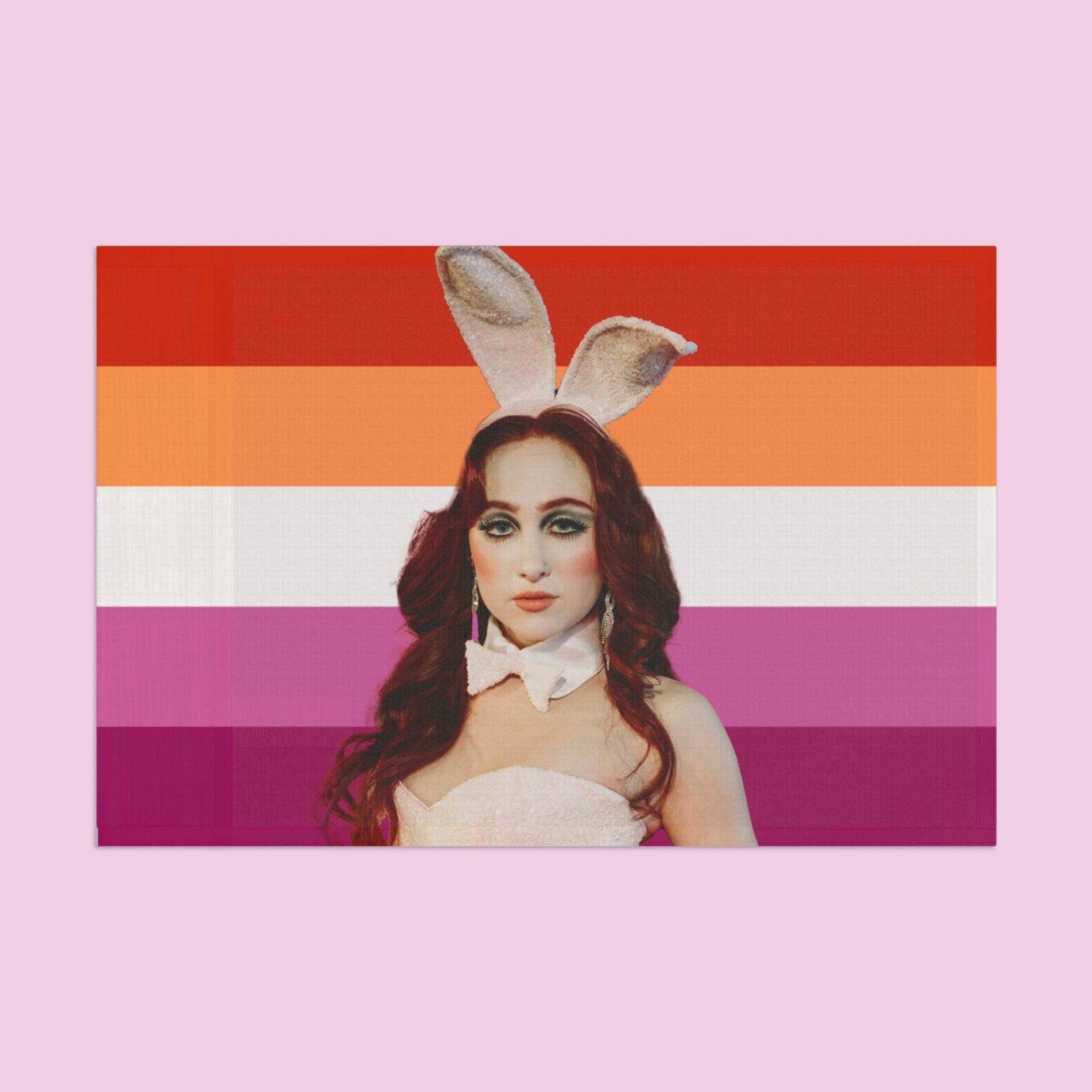
You see the drag makeup now. The white face paint, the massive wigs, the middle finger to traditional pop stardom. It’s hard to remember a time when Chappell Roan wasn't the "Midwest Princess" we know today. But before she was a queer icon selling out festivals and teaching everyone the "HOT TO GO!" dance, she was Kayleigh Rose Amstutz. A girl from Willard, Missouri, who grew up as a self-described "God girl" and spent her Sundays in a Christian pew.
The story of Chappell Roan pre lesbian isn't some secret she’s hiding. Honestly, she talks about it all the time. It’s a period defined by a specific kind of Midwestern tension: wanting to be a star while being terrified of what that actually meant. If you go back to 2017, you won't find the neon lights or the campy humor. You'll find a girl with a very deep voice singing dark, moody songs about boys.
The Kayleigh Rose Era and the Missouri "God Girl"
Before the stage name, there was just Kayleigh. She lived in a trailer park, attended church three times a week, and basically lived the life of a typical conservative teen in the Ozarks. She started writing songs at 14. Her first big inspiration? A crush on an older Mormon student. That’s the irony of the Chappell Roan pre lesbian timeline—her entry into music was fueled by a desperate attempt to write "the greatest love song of all time" for a guy.
She was talented. Freakishly so. Atlantic Records signed her when she was just 17 after seeing her cover videos on YouTube. By 2017, she released her first EP, School Nights. If you listen to it now, it sounds nothing like the hyper-pop of today. It’s dark. It’s "indie sleaze" adjacent. Songs like "Good Hurt" are moody and heavy.
At this point, she was still presenting as straight, though she’s later admitted that "maybe I like girls" was always a flickering thought in the back of her mind. In high school, she dealt with those feelings by making fun of them. She’d tell herself it was just a phase. She’d joke about it.
Moving to LA: Shaking in Trader Joe's
In 2018, she finally left Missouri for Los Angeles. This was the catalyst. Imagine moving from a town where you can’t even wear a sports bra in public without getting looks, to West Hollywood. Chappell has talked about literally "shaking in Trader Joe's" because she saw women walking around in workout gear. It was a culture shock that broke her brain.
During this transitional period, she was still dating men. She even lived with a boyfriend for a while. But the music started to shift because the environment changed.
Why Chappell Roan pre lesbian Still Matters
People often look at Chappell's career and think she just "turned on" the lesbian persona in 2020. That's not how it worked. It was a slow, painful, and then suddenly very fast unravelling of what she calls "compulsory heterosexuality."
The real turning point was a visit to The Abbey, a famous gay bar in West Hollywood. She wasn't an artist that night; she was just a girl watching go-go dancers and feeling a level of acceptance she didn't know existed. That night gave birth to "Pink Pony Club."
The Breakup with Atlantic Records
Atlantic Records hated the shift. When she brought them "Pink Pony Club" in 2020, they didn't get it. It was a "hard left turn" from the moody indie girl they signed. They dropped her on a Tuesday in August 2020.
Think about that. She had just written her career-defining anthem, realized she was queer, and then lost her livelihood. She moved back to Missouri. She worked at a drive-thru coffee kiosk. She felt like a total failure. But that year in Missouri was actually when the Chappell Roan pre lesbian identity finally died for good. She realized she couldn't go back to being Kayleigh the "God girl."
The "Kaleidoscope" of It All
If you want to understand the exact moment her perspective shifted, you have to look at the song "Kaleidoscope." Chappell has explained that this track was inspired by falling in love with a female best friend.
It wasn't a clean, happy "I’m out!" moment. It was messy. The friend didn't feel the same way. They didn't speak for a year and a half. But Chappell has said that experience was the first time she felt like she wasn't a "fraud" for calling herself gay. It was the confirmation she needed that her feelings weren't a phase or a joke.
Fact Check: Was She Ever Actually "Straight"?
Honestly, it depends on who you ask. Chappell now identifies firmly as a lesbian. In a 2024 Rolling Stone interview, she said she's "repulsed" at the thought of even kissing a guy now. But she doesn't erase her past. She acknowledges she dated men. She acknowledges that she grew up in a culture that told her she had to.
The term "pre-lesbian" in this context really just describes a period of "comp-het" (compulsory heterosexuality). She was performing a role because she didn't have any other scripts to follow.
What You Can Learn from Chappell’s Transition
- Identity isn't a switch: You don't have to have it all figured out at 17. Chappell was signed to a major label as a straight girl and became a superstar as a lesbian. Both versions of her were "real" at the time, but only one was authentic.
- The environment dictates the art: She couldn't write "Femininomenon" in Willard, Missouri. She needed the freedom of LA to even let her brain go there.
- Failure is often a pivot: Getting dropped by Atlantic was the best thing that ever happened to her. It allowed her to stop trying to please a corporate board and start being a "Midwest Princess."
If you’re digging through her old YouTube videos looking for "Kayleigh Rose" content, you’ll see a girl who is clearly talented but looks a little bit like she’s wearing a costume. The irony is that the current Chappell Roan—with the drag and the glitter—is actually the most "naked" she's ever been.
To really see the evolution yourself, go back and listen to School Nights (2017) immediately followed by "Casual" (2022). The difference isn't just the production; it's the confidence in the storytelling. You can hear the moment she stopped asking for permission to exist. Check out her early music videos on her YouTube channel to see the visual shift from "indie girl" to "pop disruptor." It's a masterclass in self-discovery.