When Craig T. Nelson first walked onto the set of Young Sheldon in 2019, fans were split. Some saw the guy from Coach and Parenthood and felt an immediate sense of nostalgia. Others? Well, they weren't so sure about this new guy moving in on Dr. Sturgis's turf.
Dale Ballard was never meant to be a sweetheart. He’s a "fun jerk," as Nelson himself once put it. But honestly, that friction is exactly why Craig T. Nelson Young Sheldon appearances became a staple of the show's later seasons. He didn't just play a character; he brought a specific brand of Texas grit that balanced out the high-brow academic comedy Sheldon usually dragged into the room.
The Arrival of Dale Ballard: More Than Just a Coach
We first meet Dale Ballard in Season 3. At the time, Missy Cooper is desperate to play baseball, and she finds herself facing off against a man who basically represents every old-school hurdle a girl in the late '80s would face.
Dale is the owner of Ballard’s Sporting Goods. He’s blunt. He’s a bit of a curmudgeon. He’s also the first person who really challenged Meemaw (Connie Tucker) in a way that wasn't purely intellectual. While Dr. Sturgis was adorable and quirky, Dale was... well, he was a real piece of work.
He initially refuses to let Missy on the team. Classic Dale move. It’s only after Meemaw gives him a piece of her mind that he relents. This setup wasn't just about baseball; it was the foundation for one of the most realistic—and often frustrating—relationships in the entire Big Bang Theory universe.
Why the "Coach" Reunion Mattered
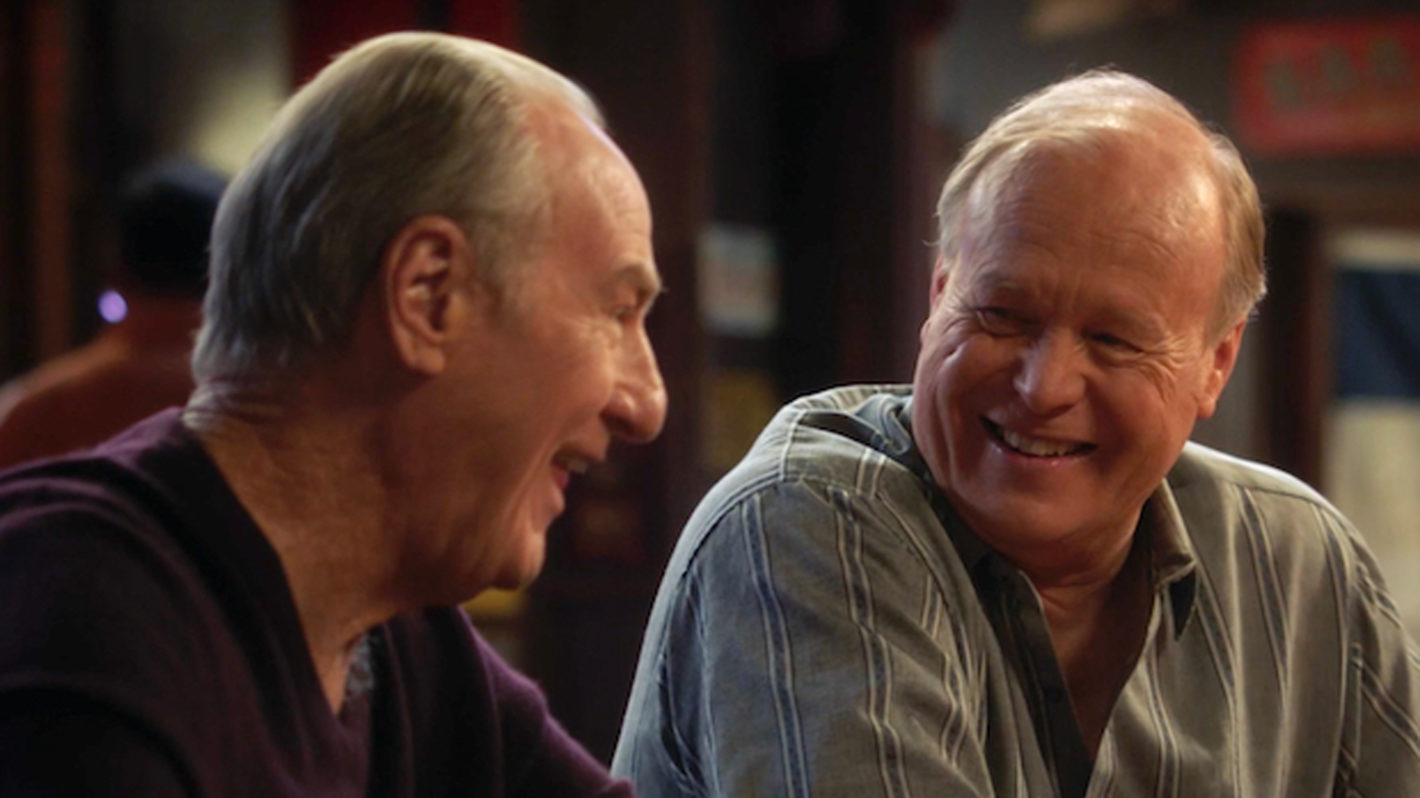
If you grew up watching TV in the '90s, seeing Craig T. Nelson on Young Sheldon alongside Bill Fagerbakke was a massive deal.
In Season 5, the show pulled off a brilliant piece of casting by bringing Fagerbakke in to play Jake, a police officer friend of Dale. For those who don't remember, Nelson and Fagerbakke starred together for nine seasons on the hit sitcom Coach. Seeing Hayden Fox and "Dauber" Dybinski back on screen together—even as different characters—felt like a warm hug for long-time television fans.
Executive Producer Steve Molaro mentioned that the chemistry between the two was completely natural. They played two old friends catching up at a bar, and apparently, that's exactly what was happening behind the scenes too.
The Meemaw Dynamic: Fire and Ice
The relationship between Connie and Dale is messy. It’s not the "happily ever after" you usually see in sitcoms. They break up. They get back together. They argue about gambling rooms and laundry mats.
One of the biggest turning points for the character happened in Season 5. Meemaw had opened a secret gambling room behind a laundromat. Dale, being the "sensible" (read: snitching) one, talked to his buddy Jake about the legality of the whole thing. This led to the cops shutting her down.
Fans were furious. You don't mess with Meemaw’s side hustles.
But that’s the beauty of Nelson’s performance. He plays a guy who thinks he’s doing the right thing, even when he’s being a total buzzkill. He's a foil. Without Dale Ballard, Meemaw might have just stayed the quirky, beer-drinking grandma. With him, we saw her fight for her independence.
A Different Kind of Mentor for Georgie
While Sheldon was busy with Dr. Linkletter or Dr. Sturgis, Georgie Cooper found a weird sort of father figure in Dale.
Working at the sporting goods store gave Georgie a look at the world of business. Sure, Dale fired him once after the store got robbed—even after Georgie tried to pay him back out of his own pocket—but they always seemed to find their way back to each other. Dale gave Georgie the "tough love" that George Sr. sometimes struggled to articulate.
Is Dale Ballard Canon?
Here’s the thing about Craig T. Nelson Young Sheldon lore: Dale is never mentioned in The Big Bang Theory.
In the original show, Sheldon talks about his grandfather (Pop-Pop) and, of course, Dr. Sturgis gets some retroactive love in the fans' minds, but Dale is a ghost. Some fans speculate that because Dale was born around 1918 or 1919 (making him a World War I-era baby), he likely passed away long before the events of the flagship series.
Others think Sheldon just didn't care for him. Dale was a "sports guy." He was "normal." To a young Sheldon Cooper, a man who owns a sporting goods store isn't exactly a high-priority memory compared to a theoretical physicist.
The Reba Connection
We can't talk about Dale without mentioning June.
Reba McEntire playing Dale’s ex-wife was a stroke of genius. The fact that June and Connie became fast friends—bonding over how difficult Dale is—added a layer of depth to his character. It showed that he wasn't just some random jerk; he was a specific type of man that these strong women found both exhausting and endearingly familiar.
What We Can Learn From Dale Ballard
Looking back at the trajectory of the series, Nelson’s character served a very specific purpose. He represented the "old" Texas. He was the bridge between the academic world Sheldon was escaping to and the blue-collar reality the rest of the Cooper family lived in.
- Conflict drives growth: Meemaw became a more complex character because she had to navigate a relationship with someone who didn't just worship the ground she walked on.
- Redemption is slow: Dale didn't become a "good guy" overnight. He stayed crotchety. He stayed sarcastic. But he showed up when it mattered.
- Chemistry is king: The show thrived because the veteran actors—Potts and Nelson—knew how to play off each other without overshadowing the kids.
If you’re looking to revisit the best of Craig T. Nelson in Young Sheldon, start with the Season 3 introduction and definitely don't miss the Coach reunion in Season 5. It’s a masterclass in how to take a character that fans are "supposed" to dislike and make them an indispensable part of the story.
To see how the story continues for these characters, you should check out the spin-off Georgie & Mandy’s First Marriage, where Dale continues to make life interesting for the Cooper clan. Keep an eye on how his relationship with Meemaw evolves in this new chapter, as it remains one of the most grounded portrayals of later-life romance on television today.