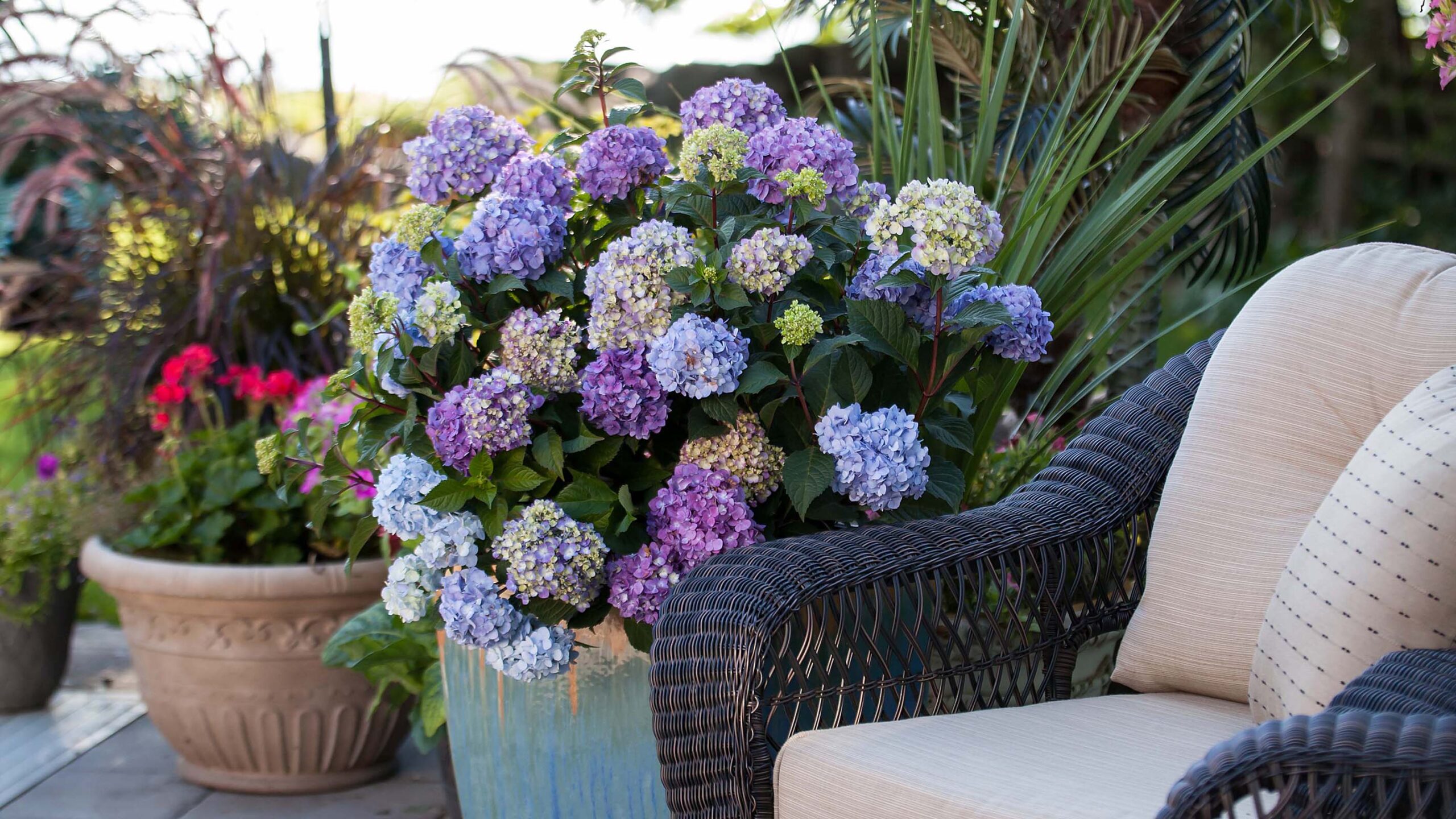
You’ve seen those postcards from Cape Cod. Massive, blue-as-the-sky mopheads spilling over white picket fences. It’s the dream, right? But then you look at your yard in Orlando or Tampa, feel the 95-degree soup that passes for air, and wonder: do hydrangeas grow in Florida, or am I just buying a very expensive pile of compost?
The short answer is yes. Sort of.
The long answer is that Florida is a botanical minefield for these plants. If you treat a hydrangea in Jacksonville the same way you’d treat one in Michigan, it will be dead by July. Guaranteed. Florida's sandy soil, salt spray, and "surface of the sun" heat levels mean you have to play by a completely different set of rules. You aren't just gardening; you’re performing a high-stakes rescue mission.
Why Florida Makes Hydrangeas Want to Quit
Most hydrangeas are drama queens. They’re native to places like Japan or the cooler Appalachian mountains. They like dappled sunlight and rich, loamy earth that holds onto moisture without turning into a swamp.
Florida? We have sand.
Basically, we live on a giant beach with some weeds. Sand doesn't hold nutrients. It doesn't hold water. When you plant a Hydrangea macrophylla (the classic French hydrangea) in typical Florida dirt, the water drains away before the roots can even say thank you. Then there’s the humidity. You’d think moisture in the air would help, but it actually invites powdery mildew and leaf spot. Your plant ends up looking like it has a skin condition before it even gets a chance to bloom.
Then we have the "Chilling Hours" problem. In North Florida (Zones 8-9a), you get enough of a winter nip to reset the plant’s clock. In South Florida? Forget about it. If you’re in Miami or the Keys, the classic bigleaf hydrangea is essentially an annual. It’ll look great for three weeks after you buy it from Big Box Store, and then it’ll melt.
Picking the Right Fighter: Species Matter
If you want to succeed, stop looking at the pretty pictures and start looking at the tags. Some species are built for this. Others are just visiting.
The Native MVP: Oakleaf Hydrangeas
If you want a hydrangea that actually wants to be here, get an Oakleaf Hydrangea (Hydrangea quercifolia). These are native to the Southeastern U.S. and they don't care about our heat. They have these cool, textured leaves that look like oversized oak leaves and giant cone-shaped white flowers. They can handle the sun better than any other variety, and they actually thrive in the North and Central Florida woods. Plus, the leaves turn a gorgeous burgundy in the fall, which is about the only "fall color" we get down here.
The Standard: Bigleaf Hydrangeas
These are the ones everyone wants. The blue and pink mopheads. In Florida, these are tricky. You have to hunt for "reblooming" varieties like the Endless Summer series or Penny Mac. Why? Because traditional hydrangeas bloom on "old wood." If a late Florida frost zaps the stems in March, you get no flowers. Rebloomers flower on both old and new growth, giving you a safety net.
The Panicle Powerhouse
Hydrangea paniculata is another solid bet for the Panhandle and Central Florida. Varieties like 'Limelight' or 'Little Lime' are surprisingly tough. They have cone-shaped blooms that start lime green and fade to white or dusty rose. They’re much more sun-tolerant than the mopheads. If you have a spot that gets a bit too much afternoon sun, this is your best shot.
The Secret Sauce: Soil and Shade
Location is everything. If you plant your hydrangea in a spot that gets blasted by the 2:00 PM Florida sun, it’s toast. It’ll wilt every single day, and eventually, the leaf margins will turn crispy brown. You want morning sun and afternoon shade. Ideally, find a spot on the north or east side of your house.
But let's talk about the soil. You cannot just dig a hole.
- The Hole: Dig it twice as wide as the pot.
- The Mix: Throw away half the sand you dug out. Replace it with bags of high-quality compost, peat moss, or aged manure. You need organic matter to hold moisture.
- The PH Factor: This is where the magic happens. Do you want blue or pink? Florida soil is often slightly alkaline because of the limestone under our feet, which leads to pink flowers. If you want that deep electric blue, you’ve got to dump in soil acidifier (aluminum sulfate). You’re basically a chemist now.
Watering Without Drowning
Hydrangeas are thirsty. The name literally comes from the Greek "hydor" (water) and "angos" (vessel). They are water vessels.
In the heat of a Florida June, you might need to water them every single day. But here's the kicker: don't wet the leaves. If you use a sprinkler that douses the foliage, you’re inviting fungi to move in and start a colony. Use a soaker hose or point your hose directly at the base of the plant.
Mulch is your best friend. A thick, three-inch layer of pine bark or pine straw keeps the roots cool. In Florida, a hydrangea with hot roots is a dead hydrangea.
Expert Tips for the Florida Gardener
Kinda let the plant tell you what it needs. If it's wilting at 3:00 PM, don't panic immediately. Check it at 8:00 PM. If it has perked back up, it was just protecting itself from the heat. If it’s still floppy in the cool of the evening, get the hose.
Also, be careful with the fertilizer. You might be tempted to dump "Bloom Booster" on it every week. Don't. Too much nitrogen will give you a giant bush of beautiful green leaves but zero flowers. Stick to a slow-release fertilizer in early spring and again in mid-summer.
Actionable Steps for Success
To actually make hydrangeas grow in Florida, follow this specific checklist:
- Determine your Zone: If you are South of Lake Okeechobee, stick to Oakleaf varieties or treat Bigleafs as short-lived container plants.
- Buy from a Local Nursery: Avoid the "death row" rack at big-box stores. Local nurseries stock varieties that are acclimated to Florida’s humidity levels.
- Amend Like Crazy: Mix 50% native soil with 50% organic mushroom compost or peat-based potting mix.
- Mulch Heavily: Use pine straw or pine bark. It mimics the natural forest floor where these plants evolved.
- Monitor for Pests: Keep an eye out for aphids and spider mites, which love the dry heat. A quick blast of neem oil or insecticidal soap usually does the trick.
- Prune with Caution: Only prune right after the flowers fade. If you wait until winter, you might be cutting off next year’s flower buds.
Growing these in the Sunshine State is a challenge, honestly. It takes more work than a hibiscus or a palm tree. But when you get those first massive blooms in late spring, and the neighbors start asking how on earth you did it, the sweat equity pays off. Just remember: shade, organic soil, and water are your three pillars. Ignore one, and the Florida heat wins.