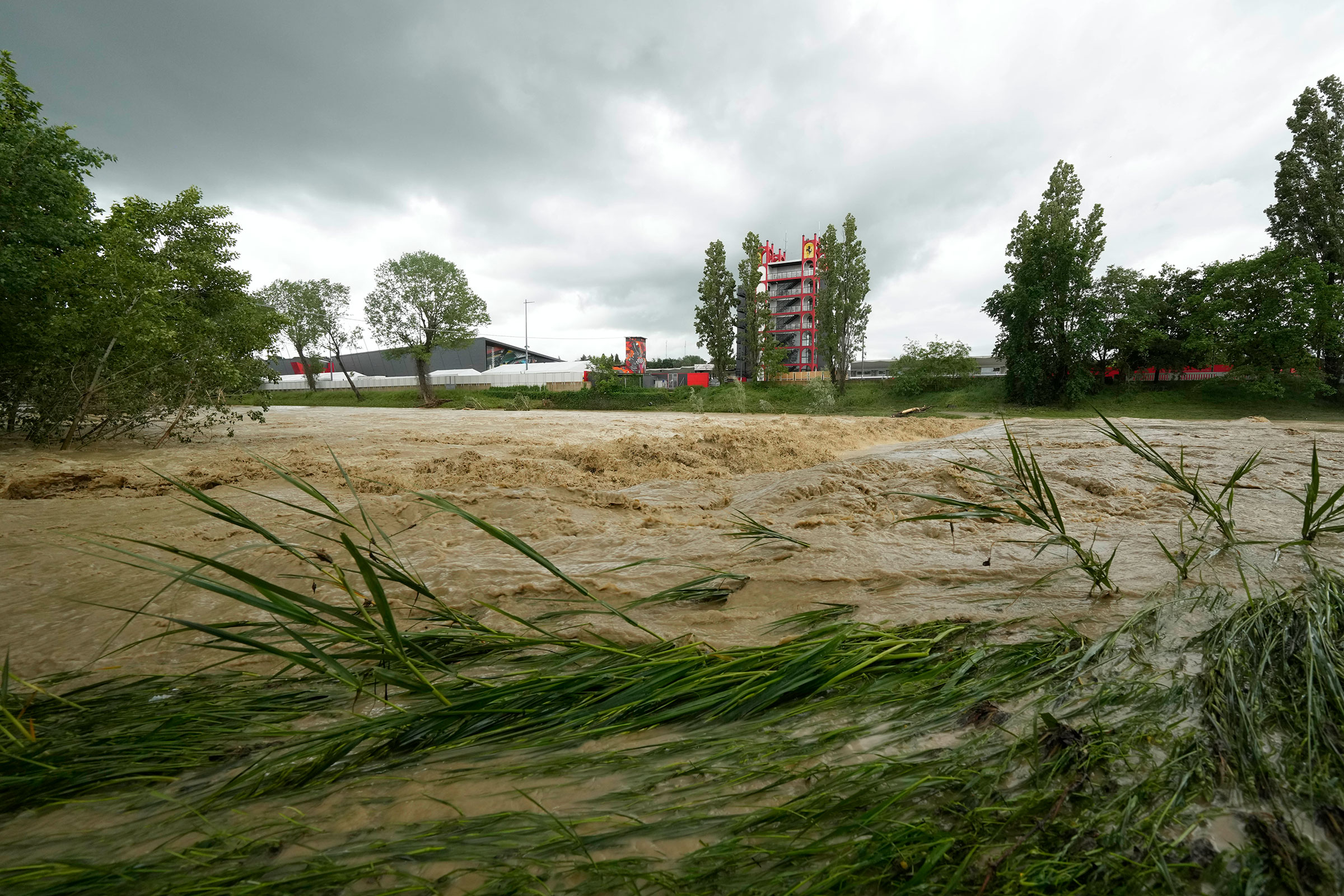
You're standing on the Ponte Vecchio, gelato in hand, looking at that green-brown water. It looks peaceful. Kinda lazy, even. But if you look closer at the stone walls around the city, you’ll see these small marble plaques. Some are way above your head. They mark where the water reached in 1966. It’s a sobering sight because it reminds you that flooding in Florence Italy isn't just a historical footnote—it’s a recurring nightmare that the city is still trying to wake up from.
Honestly, most tourists walk right past those markers. They’re too busy looking at the David or trying to find the best bistecca alla fiorentina. But for the people who live here, the Arno River is a beautiful, moody neighbor that occasionally tries to take everything they own.
The Day the Renaissance Drowned
November 4, 1966. It was a holiday—Armed Forces Day. Most people were sleeping in or away for the long weekend. The rain hadn't stopped for days. Basically, the ground was like a soaked sponge that couldn't hold another drop. By the time the city realized the Arno was going to breach the embankments, it was too late.
The water didn't just rise; it exploded. We’re talking about a flow rate of roughly 4,100 cubic meters per second. To give you some perspective, the river's normal capacity is about 2,500. It was carrying mud, sewage, and thousands of gallons of heating oil from ruptured basement tanks.
Imagine 22 feet of oily sludge pouring into the Uffizi Gallery and the Biblioteca Nazionale. It was a mess.
More than 30 people died. Thousands lost their homes. But the world mostly remembers the art. Cimabue’s Crucifix was basically ruined. The "Gates of Paradise" on the Baptistery were battered by the current. It was a cultural catastrophe that felt like the end of the world for art historians.
Who Were the Mud Angels?
If there’s a silver lining, it’s the "Mud Angels" (Angeli del Fango). These were mostly young students and volunteers from all over the world who just... showed up. They didn't have special training. They just formed human chains to pull soggy, mud-caked manuscripts out of basement archives. It was probably the first time "globalization" worked for something purely good.
Is Florence Still at Risk?
You’d think after 60 years, we’d have fixed this, right?
Well, it’s complicated.
Actually, the experts are pretty worried. In 2016, on the 50th anniversary, an international committee (the ITSC) released a report that was basically a giant red flag. They said that if the 1966 flood happened today, the damage could top $6 billion. Even worse, the city might be more vulnerable now because of how we’ve built on the surrounding land.
Why the Fix is Taking Forever
- The Money Problem: Big dams and retention basins cost billions of Euros that Italy doesn't always have lying around.
- Bureaucracy: It’s Italy. Getting three different government levels to agree on where to dig a hole can take a decade.
- The Geography: The Arno is a "torrential" river. It goes from a trickle in August to a monster in November. It’s hard to tame something that moody.
Recently, there’s been some progress. They’ve built new "expansion basins" upstream near Figline. These are basically giant empty fields designed to soak up the overflow before it hits the city center. But as of 2026, the system isn't 100% finished.
Climate Change is Changing the Math
The old records say Florence gets a "big one" every hundred years or so. But climate change has thrown those old calendars out the window. Just look at the flooding in Tuscany in March 2025.
We’re seeing "flash" events now. Instead of days of steady rain, we get a month’s worth of water in three hours. The city’s old sewers—some of which are centuries old—just can't handle it. The risk isn't just the river overflowing anymore; it’s the rain itself turning the streets into canals because it has nowhere to go.
What Most People Get Wrong About Florence Floods
A lot of people think the dams upstream are what caused the 1966 disaster. There's a persistent myth that the engineers at the Valdarno dams opened the gates without warning to save the structures, which sent a "wall of water" into Florence.
The truth is more boring but more tragic. The dams were already overflowing. They couldn't have held the water back even if they wanted to. If anything, they actually slowed the peak slightly, but the sheer volume of rain was just too much for any 1960s tech to handle.
Another misconception? That the art is all "safe" now. While the Uffizi has moved most of its most precious stuff to higher floors, thousands of rare books and documents are still stored in low-lying areas or basements simply because there isn't enough space elsewhere.
How to Visit Safely (and Respectfully)
If you're planning a trip, don't let this scare you off. Florence is still one of the best places on Earth. But being aware of the history makes the trip better.
- Look for the markers: On Via di San Remigio, look for the plaque high up on the wall. It’s a gut-punch when you realize the water was twice as tall as you are.
- Check the weather: If you’re visiting in November (the wettest month), keep an eye on local alerts. The "Lamma" consortium is the go-to for accurate Tuscan weather.
- Support the restoration: Visit the Opificio delle Pietre Dure. It’s one of the world’s leading art restoration labs, and it basically became what it is today because of the 1966 flood.
Practical Steps for the Curious
If you want to do more than just look at the river, there are a few things you can actually do to engage with this history:
- Visit the Santa Croce Basilica: This was one of the hardest-hit spots. They have a great display about the restoration of Vasari’s Last Supper, which took decades to fix after the flood.
- Read "Dark Water": Robert Clark wrote a fantastic book about the 1966 flood. It’s not a dry history book; it reads like a thriller.
- Watch for the "Flood Ladies": Look into the work of female artists and restorers who saved the city. Many of their stories were ignored for years.
The reality is that flooding in Florence Italy is a part of the city's DNA. The Arno gave life to the city through trade and wool processing, but it also takes it away. Walking through those streets today, you’re walking through a city that has been scrubbed clean of mud a dozen times over. It’s that resilience that makes the place feel so alive.
Just remember: next time it rains in Florence, don't just complain about your ruined shoes. Think about the librarians in 1966 who stood waist-deep in oily water, trying to save a single page of history.