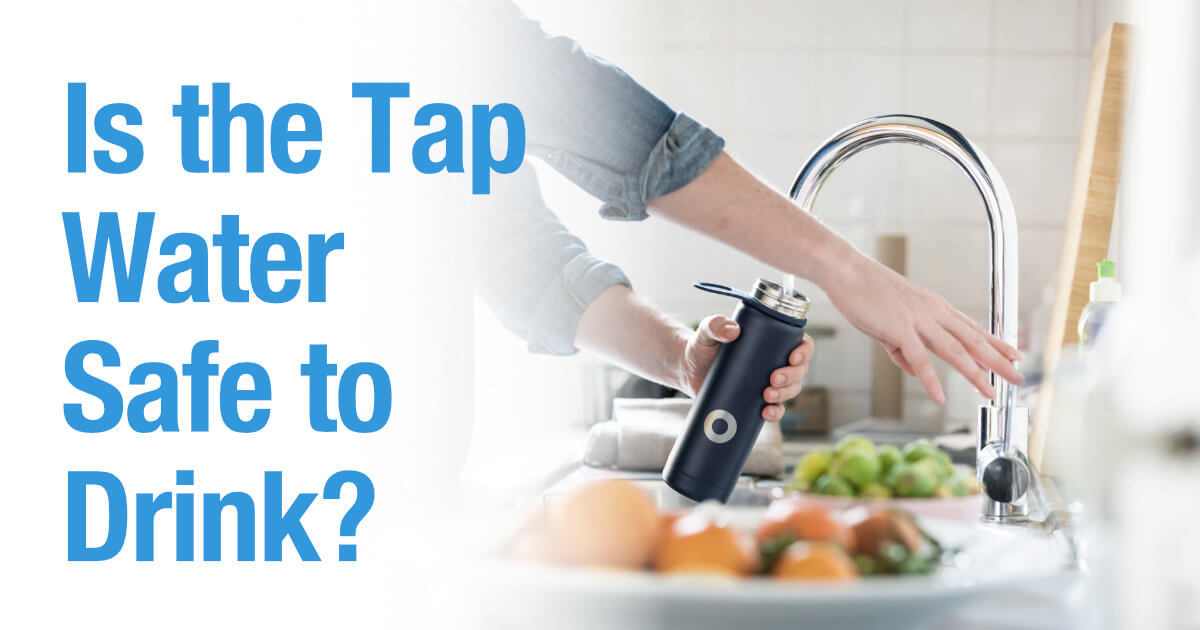
You’re standing in a tiny Manhattan kitchen or a sleek hotel bathroom in Midtown, staring at the chrome faucet. You’re thirsty. But there’s a nagging voice in your head—probably fueled by some gritty 1970s movie or a stray comment from a cynical uncle—wondering if that liquid is actually okay. Can you drink water from the tap in New York? Honestly, not only can you drink it, but it’s actually some of the highest-quality municipal water in the world.
It’s the "Champagne of tap water."
Seriously. People in NYC are weirdly proud of their water. They’ll tell you it’s why the bagels have that specific chew and why the pizza crust is impossible to replicate in Los Angeles or Florida. While most major cities have to aggressively filter and chemically treat their water to make it potable, New York’s supply is largely unfiltered. It’s a massive engineering marvel that most people just take for granted every time they brush their teeth.
Where Does It Actually Come From?
Most people assume the water is being sucked out of the Hudson River. Gross. No. Please don’t drink the Hudson.
The reality is much more impressive. Your water is traveling through a sprawling network of aqueducts and tunnels, some of which are deep enough to fit a subway train. It starts its journey up to 125 miles away in the Catskill Mountains and the Delaware Watershed. This isn't just "city water." It’s mountain water. Because the city has spent decades (and billions of dollars) protecting the land around these upstate reservoirs, the water is naturally clean.
The Environmental Protection Agency (EPA) actually gave NYC a "filtration avoidance" waiver. This is a huge deal. It means the source is so clean that the city doesn't have to build multi-billion dollar filtration plants for the Catskill/Delaware systems, which provide about 90% of the city’s supply. The remaining 10% comes from the Croton Watershed, which is filtered, but it’s still top-tier stuff.
The Lead Pipe Problem: Is Your Building the Issue?
Here is the "kinda" part. While the water leaving the reservoir is pristine, the pipes in your specific building might be a hundred years old. New York is old. Like, really old.
If you are living in a pre-war walk-up in the West Village or a brownstone in Bed-Stuy, the city's water main might be fine, but your building’s internal plumbing could be leaching lead or copper. This is the primary reason why someone might tell you not to drink water from the tap in New York. It’s rarely about the city’s supply and almost always about the "last mile" of plumbing.
The NYC Department of Environmental Protection (DEP) performs hundreds of thousands of tests a year. They’re checking for everything: bacteria, chlorine levels, pH, and heavy metals. According to the 2024 New York City Drinking Water Supply and Quality Report, the city met or exceeded all health-based government standards. But the DEP can’t control the pipes inside your landlord’s walls.
That "Cloudy" Look and the Chlorine Smell
Sometimes you turn on the tap and the water looks milky. Don’t freak out. It’s just air.
When the water is cold, it holds more air. When it comes out of the tap and warms up slightly, those tiny bubbles rise to the top. If you let a glass sit for sixty seconds, it’ll clear right up.
As for the smell? New York does use chlorine to keep the water safe as it travels through those thousands of miles of pipes. If you have a sensitive nose, you might catch a whiff of it. It’s totally safe, but if it bugs you, just stick a pitcher in the fridge. Most of the chlorine will dissipate overnight, and the water will taste much better when it's ice cold anyway.
Why You Should Stop Buying Bottled Water in Manhattan
Plastic is a nightmare. In a city of 8 million people, the sheer volume of plastic waste from bottled water is staggering. If you’re visiting, you’ll see "NYC Water" branding on some public fountains—that’s the city trying to convince you to use a reusable bottle.
Think about the cost. A bottle of "premium" water at a bodega near Times Square might set you back $3.00. That same $3.00 could buy you roughly 1,000 gallons of tap water. It is arguably the best deal in the entire city, and in a place where a sandwich costs $18, you should take the wins where you can get them.
Testing It Yourself (The Expert Move)
If you're truly worried—maybe you're a new parent or you just moved into a building that looks like it hasn't been renovated since the Eisenhower administration—don't guess.
The NYC DEP actually offers free lead test kits. You can call 311 or go to their website and they will mail you a kit. You fill up the vials, mail them back, and they’ll give you the exact breakdown of what’s in your specific tap. It’s a service most New Yorkers don’t even know exists.
The Crust and the Crumb: Is the Water Truly the Secret?
Let’s talk about the pizza. Food scientists have actually looked into this. It isn't just a myth. New York water is "soft." This means it has low concentrations of calcium and magnesium.
In bread making, "hard" water can strengthen the gluten too much, making the dough tough. The soft water of NYC allows the gluten in the flour to stay relaxed, creating that legendary New York bagel texture: a thin, crispy exterior and a soft, chewy inside. If you try to make a bagel in a city with hard water, like Indianapolis or London, the chemistry just doesn't align the same way. So, when you drink the tap water, you're basically drinking the "secret sauce" of the city's culinary identity.
Practical Steps for the Best Experience
If you're still a bit skeptical or just want the cleanest taste possible, here’s the pro-level way to handle NYC tap water:
- Run the cold tap. If the water has been sitting in your pipes for more than six hours (like when you wake up or get home from work), let it run for 30 seconds until it feels noticeably colder. This flushes out any water that’s been sitting in contact with the building’s plumbing.
- Never use the hot tap for cooking. Hot water leaches metals like lead out of pipes much faster than cold water. Always start with cold water and boil it if you're making pasta or coffee.
- Get a simple carbon filter. If you hate the taste of chlorine, a basic Brita or Pur filter will strip it out instantly. You don't need a heavy-duty reverse osmosis system here.
- Use the 311 app. If your water ever looks brown or smells like "rotten eggs," report it. Usually, it's just a nearby fire hydrant being used or a water main repair stirring up sediment, but the city is remarkably fast at responding to quality complaints.
The bottom line is simple. Can you drink water from the tap in New York? Yes. You should. It’s safe, it’s heavily monitored, and it’s a point of local pride. Save your money for the overpriced cocktails and enjoy the mountain water running straight to your sink.
Before you commit to buying a bulky filtration system or a pallet of bottled water, order that free lead test kit from the DEP. If you are a renter, check your building’s "Water Tank Inspection" records, which are legally required to be filed and are often searchable on the city’s Department of Buildings website. Taking ten minutes to verify your building's plumbing status will give you more peace of mind than any marketing campaign for bottled spring water ever could. Just turn on the faucet, let it run cold, and take a sip.