Walk into any chinchorro in the mountains of Cayey or a quiet plaza in San Germán at dusk, and you’ll feel it. That slight chill. It’s not just the trade winds hitting the cordillera. It’s the weight of stories passed down through five hundred years of colonization, Caribbean heat, and a mix of Taíno, African, and Spanish blood. Leyendas de Puerto Rico aren't just for kids at bedtime; they are the architectural blueprints of the Puerto Rican psyche. Honestly, if you grew up on the island, these stories weren't "folklore." They were warnings.
The thing about Puerto Rican legends is that they morph. They aren't static museum pieces. They change with the technology and the fears of the era. One decade it’s a winged creature sucking goats dry, and the next, it’s a ghost hitchhiking on a highway that didn't exist fifty years ago. People think they know the "real" story of the Lady in White or the Chupacabras, but most of the time, the versions you hear at a family lechonera are filtered through layers of local gossip and "I knew a guy who saw it."
The Chupacabras: When Science Fiction Met the Mountains of Canóvanas
In the mid-90s, the world went crazy for the Chupacabras. But in Puerto Rico? It was a domestic crisis. This isn't some ancient myth from the 1700s. It’s a modern legend that basically broke the internet before the internet was a household thing. The first sightings happened around March 1995 in Orocovis and Canóvanas. Farmers were finding their livestock dead—not eaten, but drained. Completely empty of blood through three small puncture wounds.
Madelyne Tolentino, who is often cited as the first witness in Canóvanas, described a creature that looked like a "grey alien" with spikes on its back. This sparked a media frenzy. You had comedians like Silverio Pérez making jokes about it, while rural families were literally terrified to leave their goats out at night. Some experts, like cryptozoologist Scott Corrales, who wrote extensively in Chupacabras and Other Mysteries, suggest that the hysteria was a perfect storm of economic anxiety and a very real, unidentified predator.
Later, researchers tried to debunk the whole thing. They pointed to mangy coyotes or feral dogs. But here’s the problem: there are no coyotes in Puerto Rico. The "mange" theory doesn't explain the surgical precision of the wounds or the lack of struggling. Whether it was a rhesus macaque with a skin disease or a secret government experiment gone wrong near El Yunque—a favorite local conspiracy—the Chupacabras became a global brand. It’s arguably the most famous export of Puerto Rican urban legend.
El Garadiablo and the Weird Art of Hoaxes
People often confuse the Chupacabras with the Garadiablo. They shouldn't. The Garadiablo is a weird, dried-out creature that looks like a winged demon. In reality, it was a piece of "taxidermy art" made from stingrays. A local man in the 1970s used to show it off, claiming he found it on the beach. It’s a classic example of how leyendas de Puerto Rico often start with a physical object that nobody can explain, which then takes on a life of its own through word of mouth. It's kinda funny how a dried fish can keep a whole town indoors after dark.
The Tragedy of Guanina and Sotomayor: A Lesson in Blood
Long before the goats were losing blood, the Taíno people were losing their land. This is where the legends get heavy. The story of Guanina and Cristóbal de Sotomayor is basically the Caribbean's Romeo and Juliet, but with way more political consequence. Guanina was the sister of the cacique Agüeybaná II. Sotomayor was a Spanish officer.
The legend says they were in love, but love doesn't stop a revolution. When the Taíno rebelled in 1511, Guanina warned Sotomayor to flee. He didn't. He was killed in an ambush. The story goes that Guanina was found dead with her head resting on his chest. Some versions say her brother killed her for her "betrayal," others say she died of a broken heart.
Why this legend matters today
- It highlights the clash of cultures that defines the island.
- It serves as a mourning song for the Taíno genocide.
- Locals say that under a certain Ceiba tree, you can still hear them whispering.
Honestly, the Ceiba tree itself is a legend. These trees can live for hundreds of years. They are sacred. If you see a massive Ceiba in the middle of a field, you don't cut it down. You just don't. The roots go too deep into the spirit world.
The Gargoyle of Lajas: 21st Century Terror
Fast forward to the 2000s. In the southern town of Lajas, people started reporting a "Gargoyle." This wasn't the Chupacabras. This was something bigger, with a massive wingspan and a smell of sulfur. It supposedly hung out in the ruins of an old pineapple processing plant.
The mayor at the time actually took it seriously. Or at least, he took the public's fear seriously. There were organized hunts. People were out with flashlights and shotguns. It sounds ridiculous until you’re in the dark in the Lajas Valley, where the stars are too bright and the shadows are too long. Skeptics say it was just a large bird, maybe a stray rhea or a turkey vulture, but try telling that to a security guard who swears he saw a six-foot-tall silhouette fly over his jeep.
The Lady in White and the Danger of the Night
Every culture has a "Woman in White." In Puerto Rico, she’s usually found on the curves of the Luis A. Ferré Highway or near old bridges in Ponce. The story is almost always the same: a man picks up a beautiful, silent woman hitchhiking. She’s wearing a white dress. She’s cold. He gives her his jacket. When he drops her off, she vanishes. The next day, he goes to the address she gave him, only to find a grieving mother who tells him her daughter died in a car wreck ten years ago on that very spot.
His jacket? It’s usually found draped over a tombstone in the local cemetery.
It’s a trope. Sure. But it’s a trope because people keep reporting it. Why do we love this story? Because it taps into the guilt of the survivor. Puerto Rico’s roads are notoriously dangerous—winding, steep, and often fog-covered. These leyendas de Puerto Rico act as a subconscious "slow down" sign for drivers who are pushing their luck on the curves of Guavate.
The Legend of the Cristo de la Salud
In Old San Juan, there’s a tiny chapel called the Capilla del Cristo. It sits right at the end of Calle del Cristo, overlooking the stone wall and the sea. If you’ve been there, you’ve seen the pigeons.
In 1753, during a horse race down the street, a young man named Baltasar Montañez lost control of his horse. He plunged toward the cliff. The legend says that the Secretary of Government, Don Mateo Pratts, yelled out, "Blessed Christ, save him!" The horse died, but the man lived. In gratitude, they built the chapel.
Wait. There’s a twist.
Historian Adolfo de Hostos actually researched this and found that the man likely died. The chapel was built to block the end of the street so nobody else would fly off the cliff. It’s a perfect example of how we prefer a miracle over a safety measure. We want the legend because the reality is just too bleak.
How to Experience These Legends (The Right Way)
If you're looking to actually "see" the side of Puerto Rico that these stories inhabit, you have to get out of the San Juan resort bubble.
- Visit the Museo de la Historia de Ponce. They have sections that touch on the local folklore and the more "occult" history of the southern coast.
- Drive the Ruta Panorámica. This road cuts through the heart of the mountains. Do it at dusk. When the fog (neblina) rolls in and the coquí frogs start their deafening chorus, you’ll understand why people believe in spirits.
- Talk to the elders. Find a "señora" selling pasteles or coffee. Ask her about the "Mal de Ojo" (the Evil Eye). Most Puerto Ricans still wear an "Azabache" (a small black fist charm) on their bracelets or pin them to babies' clothes to ward off bad vibes. This isn't just a story; it's a daily practice.
Why We Can't Let Them Go
We live in a world of GPS and 5G. We shouldn't be afraid of the "Jura" or the "Vampire of Moca" anymore. But we are. These stories persist because they give the island a soul. They remind us that Puerto Rico isn't just a "territory" or a "vacation spot." It’s an ancient place with its own rules.
The Chupacabras wasn't just a monster; it was a symbol of something "other" invading our space. The Lady in White isn't just a ghost; she’s a reminder of the fragility of life on the island's narrow roads. When you engage with leyendas de Puerto Rico, you’re engaging with the history of a people who have survived hurricanes, colonialism, and economic collapse by telling stories that make the dark feel a little less empty.
Actionable Next Steps:
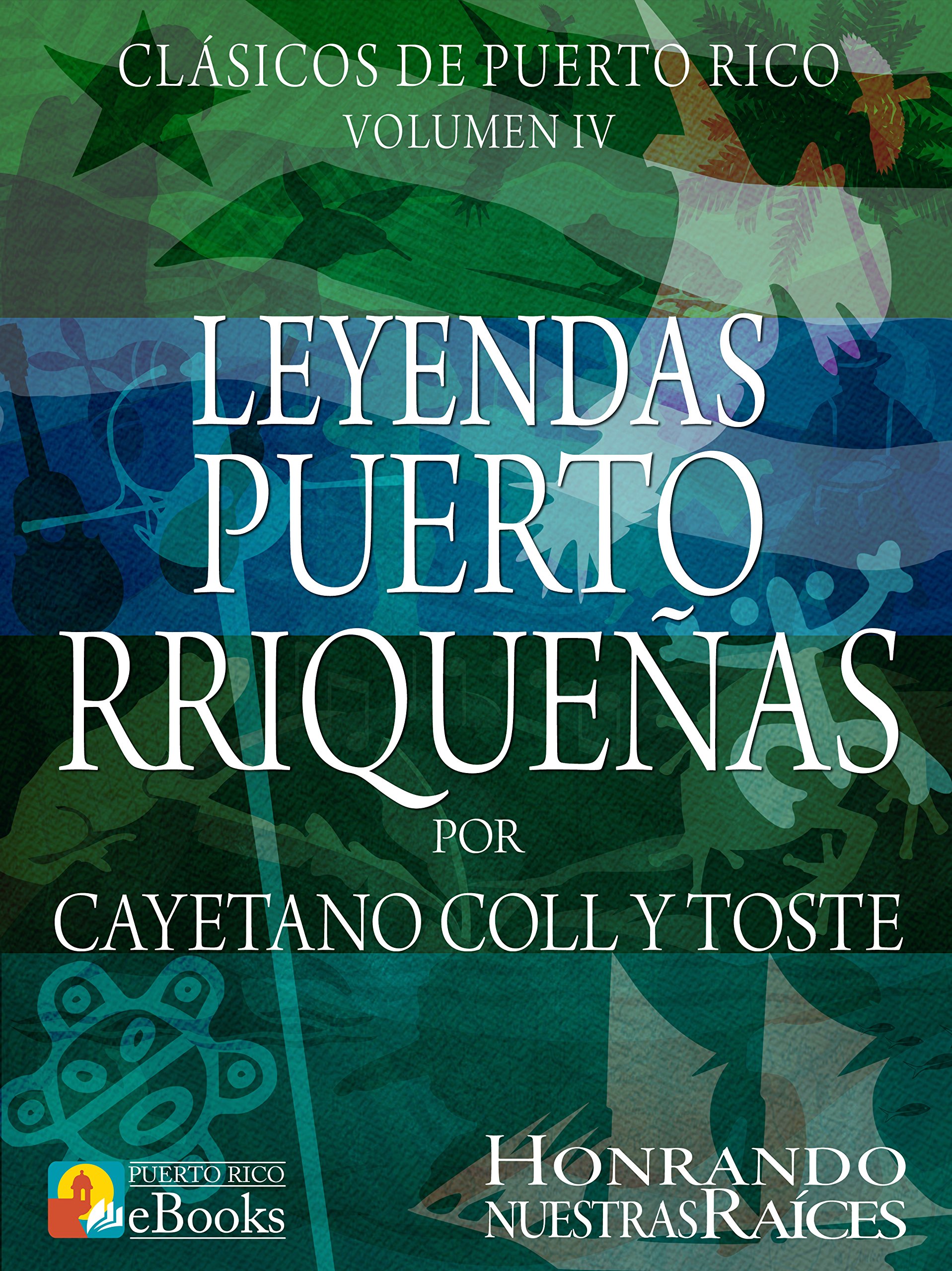
- Read "Cuentos de la Selva" and "Leyendas Puertorriqueñas" by Cayetano Coll y Toste. He is the "Grimm Brothers" of Puerto Rico. His work is the primary source for most of the Taíno and colonial stories we know.
- Explore the Cueva del Indio in Arecibo. Look at the petroglyphs. Those aren't just drawings; they are the visual records of the myths that existed long before the Spanish arrived.
- Visit the town of San Germán. It’s the second oldest city on the island and is packed with colonial architecture that practically breathes urban legends. Look for the "Porta Coeli" church and ask a local about the tunnels running beneath the city.
- Check out the "Ghost Tours" in Old San Juan. Some are cheesy, but the ones that focus on the military history of the El Morro fort are genuinely unsettling. There’s a specific sentry box (garita) called the "Garita del Diablo" where soldiers supposedly disappeared into thin air. It’s still closed to the public for a reason.