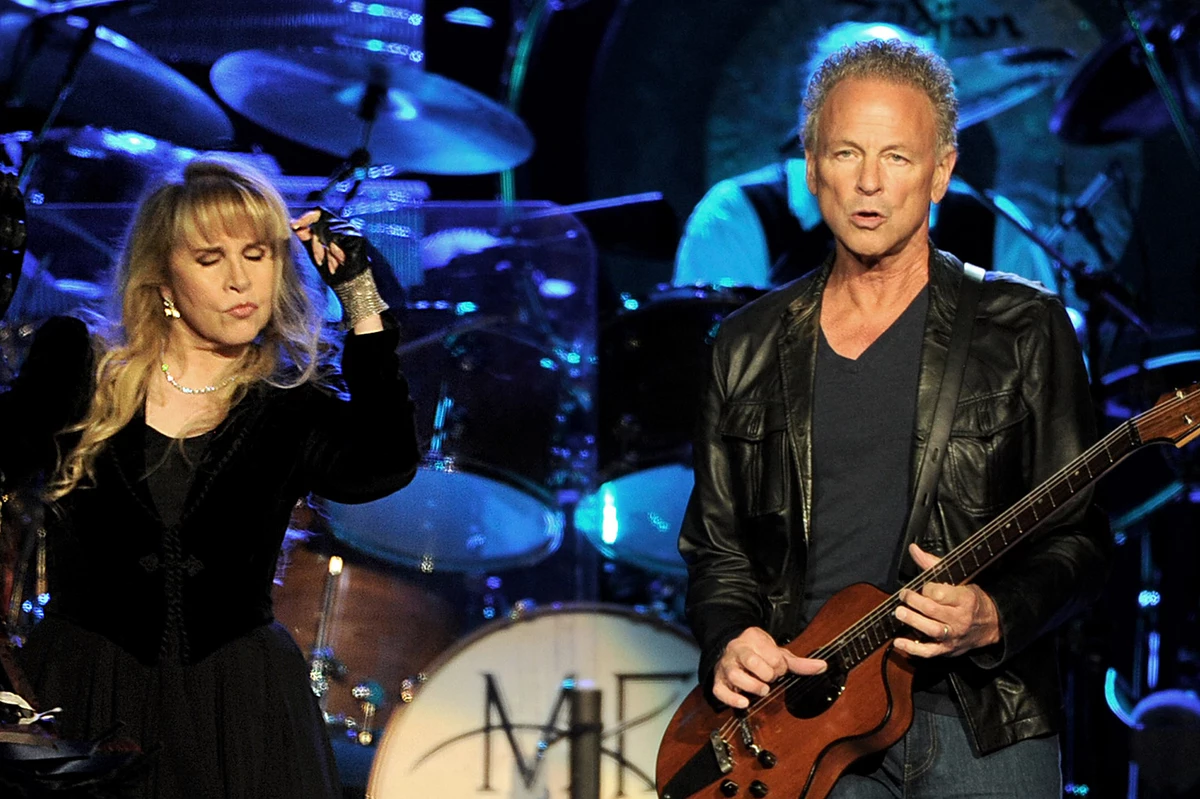
It was early February 2019 when the news broke, and honestly, it felt like the final blow in a year that had already been a total train wreck for Lindsey Buckingham. Just months after being very publicly—and very messily—kicked out of Fleetwood Mac, the legendary guitarist ended up in emergency open-heart surgery.
People were terrified.
He didn't just have a "procedure." He had a life-threatening cardiac event that led to a triple bypass. But the part that really sent shockwaves through the music world wasn't just the surgery itself; it was the revelation from his wife, Kristen, that the intubation process during the operation had damaged his vocal cords. For a man whose identity is built on those shivering harmonies and that distinctive, driving tenor, the "permanent" label on that damage felt like a death sentence for his career.
The 2019 Crisis: More Than Just a Surgery
The Lindsey Buckingham heart attack wasn't some random health blip. It was the culmination of what Buckingham himself later called a "humbling" year. You have to remember the context: he had just settled a massive lawsuit with his former bandmates after they replaced him with Mike Campbell and Neil Finn. The stress must have been off the charts.
When he went under the knife for the emergency bypass, the surgeons had to move fast to save his life. During that kind of high-stakes surgery, a breathing tube is inserted. In Lindsey’s case, that tube caused significant trauma to his vocal folds.
For months, he couldn't sing. He could barely even talk.
He describes those early weeks of recovery as a time of total uncertainty. Imagine being one of the greatest architects of pop-rock history and suddenly you’re communicating in a raspy whisper. He basically had to sit and wait to see if the nerves would heal on their own. You can't really "exercise" your way out of that kind of nerve damage; you just have to hope the body knits itself back together.
The Family History Nobody Talks About
While the media focused on the Fleetwood Mac drama, there was a much darker thread running through this health crisis: genetics.
Buckingham’s family has a brutal history with heart disease. His father, Morris Buckingham, died at just 56. His brother, Greg, a former Olympic silver medalist in swimming, passed away at 46 from heart-related issues. Lindsey was 69 when his heart gave out. In a way, he’d already outlived the men in his family, but the "Buckingham curse" finally caught up with him in that Los Angeles hospital.
The Long Road Back to the Stage
Recovery wasn't fast. It was a crawl.
The first time we saw him post-surgery was at his daughter Leelee’s high school graduation in May 2019. He stood there with an acoustic guitar, playing "Landslide" while the kids sang. He didn't sing a note himself. He just played. It was beautiful, but it was also a stark reminder of what he’d lost.
But then, things started to shift.
- Six Months In: He finally felt the "worry" start to lift as his speaking voice stabilized.
- The 2021 Comeback: He released his self-titled solo album, which he’d actually started before the surgery.
- The Vocal Quality: If you listen to his recent live performances or the 2021 record, you can hear a change. There's a slight rasp. It’s a bit thinner. But the phrasing? That’s still pure Lindsey.
What's the Status Now in 2026?
It is 2026, and the landscape has changed again. The passing of Christine McVie in 2022 basically ended any real hope of a "classic" Fleetwood Mac reunion, but it also seemed to soften some of the old grudges.
Mick Fleetwood and Lindsey have been back in the studio together recently. It’s wild to see them in the same room after everything that happened. While Stevie Nicks has been pretty vocal about the fact that she doesn't think the band can—or should—continue without Christine, the bridge between Mick and Lindsey seems mostly rebuilt.
However, the Lindsey Buckingham heart attack still casts a long shadow over his touring capabilities.
In late 2022, he had to scrap the European leg of his tour due to "ongoing health issues." He’s 76 now. The reality is that a triple bypass and the subsequent complications changed his stamina. He can still rip a guitar solo like nobody’s business—his fingers haven't lost a step—but the grueling 18-month world tours are likely a thing of the past.
Why It Still Matters
We talk about this because Lindsey Buckingham is the ultimate survivor of the 1970s rock machine. He survived the drugs, the breakups, the lawsuits, and finally, his own heart failing him.
His recovery serves as a massive case study in "preventative care," something his wife Kristen emphasized heavily in her original statements. If you have a family history like his, you don't ignore the "mild symptoms."
Actionable Insights for Fans and Musicians
If you're following Lindsey's journey or dealing with similar health hurdles, here is the real-world takeaway:
- Nerve damage takes time. Vocal cord trauma from intubation isn't an overnight fix. If you're a singer facing surgery, talk to your anesthesiologist about using a smaller tube or a video-assisted laryngoscope to minimize risk.
- Genetics aren't destiny, but they are a map. If your father or siblings had heart issues before 60, you need a cardiologist on speed dial by age 40.
- Adapt your craft. Lindsey couldn't sing like he did in 1977, so he leaned into his guitar work and more intricate studio production.
Lindsey's story isn't just about a medical emergency. It's about a guy who lost his band, his health, and his voice in a single year and still found a way to get back into the studio. He's still here. And honestly? That's the most "Buckingham" ending possible.
If you want to stay updated on his latest collaborations or potential 2026 appearances, keep an eye on his official social channels, as that's where his team usually drops the news first.