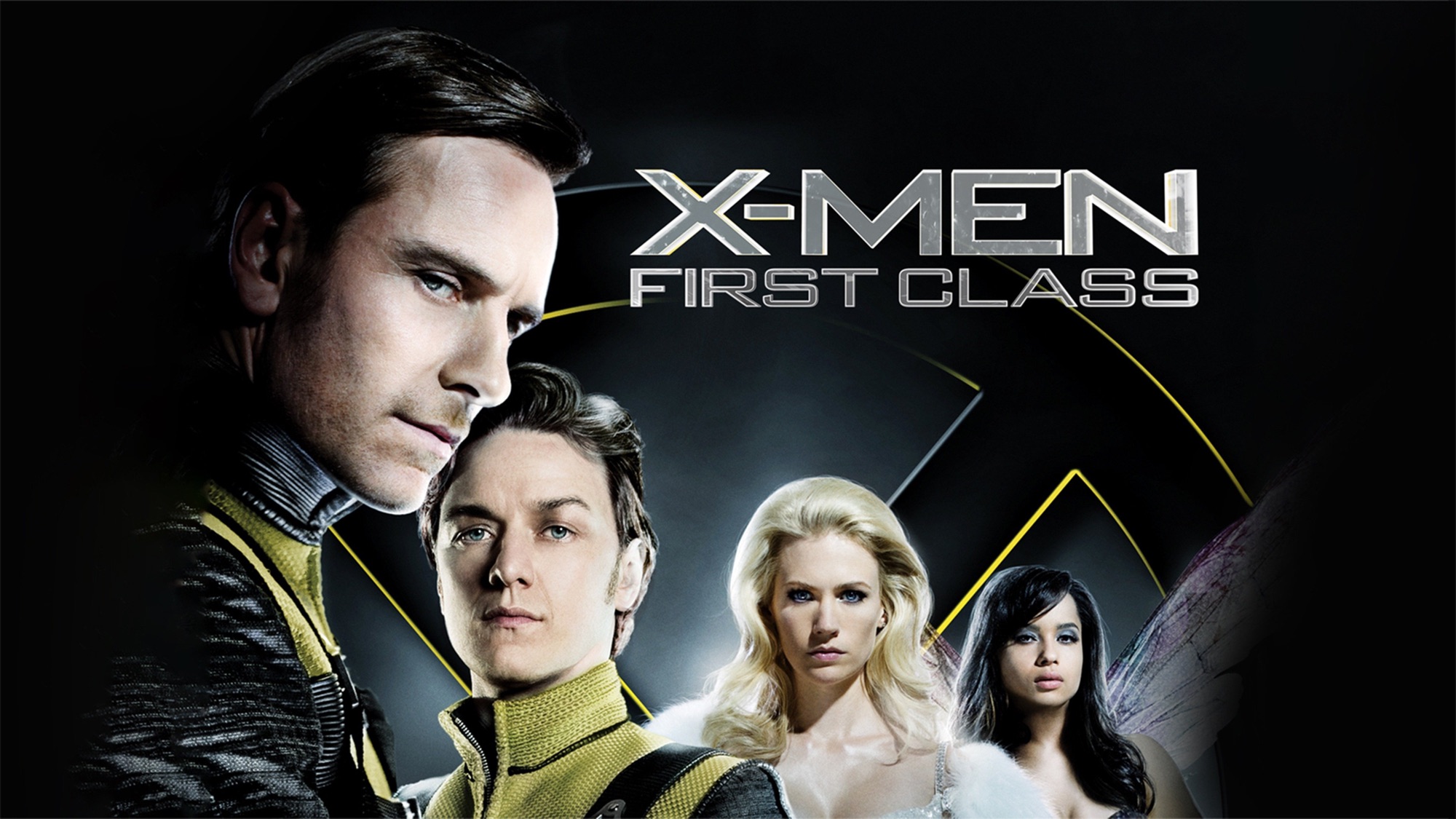
When people ask who played Magneto in X-Men First Class, the name Michael Fassbender usually comes with a certain weight. It wasn't just a casting choice. It was a tonal shift. Before 2011, we all had Ian McKellen’s Shakespearean, older, and more calculated version of Erik Lehnsherr burned into our brains. Then came Fassbender. He didn't just step into the boots; he rebuilt the boots from the ground up, bringing a raw, visceral intensity that basically turned a superhero prequel into a 1960s spy thriller.
The Man Who Played Magneto in X-Men First Class
Fassbender’s take on the Master of Magnetism is something you have to see to really get. Honestly, he plays Erik like a man possessed. He’s hunting Nazis. He’s fueled by a type of grief that feels heavy and jagged. Matthew Vaughn, the director, reportedly wanted a "James Bond with superpowers" vibe for this film, and Fassbender delivered exactly that. You’ve got the scene in the bar in Argentina where he confronts the former German officers—it’s cold, it's brutal, and it's easily one of the best sequences in the entire X-Men franchise.
He was 34 when the movie came out. By that point, he’d already done Hunger and Inglourious Basterds, so we knew he could handle the dark stuff. But taking on a role that Sir Ian McKellen had already perfected? That takes guts. Fassbender didn't try to mimic McKellen's voice or mannerisms, at least not at first. He focused on the pain of a survivor. He made us understand why Magneto hates humanity before Magneto even existed.
Why the Casting Worked So Well
Casting who played Magneto in X-Men First Class wasn't just about finding a guy who looked like a young Ian McKellen. It was about finding someone who could hold the screen against James McAvoy’s Charles Xavier. Their chemistry is the engine of the movie. Without that "frenemy" spark, the whole thing would’ve crumbled. They spent time together, drank together, and it shows. You believe they’re friends. You believe they’re brothers. That makes the eventual split at the end of the movie hurt a lot more.
Fassbender has this way of using his eyes to show you exactly how much he’s holding back. He's a volcano. Most actors would chew the scenery when playing a guy who can rip a satellite dish off a building, but he keeps it contained. It’s scary. It’s also kinda tragic.
The Evolution of Erik Lehnsherr
If you look at the trajectory of the character, First Class is where the foundation was poured. We see the origin of the helmet. We see the coin. Oh, that coin scene. If you remember the opening of the original 2000 X-Men movie, it starts in Auschwitz. First Class recreates that, but then it follows Erik as he grows up into a weapon of vengeance. Fassbender’s performance makes you root for a guy who is, by all accounts, becoming a villain.
It’s weirdly relatable.
He isn't just "evil." He’s right, in a way. He’s seen the worst of people, and he’s decided he won't let it happen again. That’s the nuance Fassbender brought to the table. He didn't play a comic book character; he played a traumatized man with the power of a god.
Comparisons to the Original Trilogy
People love to debate who did it better. Ian McKellen or Michael Fassbender? Honestly, it's a bit of a toss-up depending on what you want from your Magneto.
- McKellen: High authority, regal, philosophical, and deeply cynical. He’s the finished product.
- Fassbender: Volatile, physical, emotionally raw, and searching for a place to belong. He’s the rough draft.
The cool thing is that by the time we got to Days of Future Past, both actors were in the same movie. That could have been a disaster, but because Fassbender had established his own identity for the role in First Class, it felt like a natural progression. You could see the younger man eventually hardening into the older one.
Surprising Facts About the Performance
A lot of folks don't realize how close we came to a different movie entirely. Originally, there was talk of a standalone X-Men Origins: Magneto film. That project eventually got folded into what became First Class.
Fassbender actually studied McKellen's performance, but he and Matthew Vaughn decided pretty early on that a direct impression would be a mistake. Instead, they leaned into the 1960s aesthetic. Fassbender’s wardrobe—those turtlenecks and sharp coats—did a lot of the heavy lifting to make him feel like a man of that specific era.
Also, he did a lot of his own stunts. The scene where he’s in the water trying to stop Sebastian Shaw’s submarine? That was physically grueling. He wasn't just standing in front of a green screen waving his hands; he was genuinely putting in the work to make the exertion look real.
The Legacy of First Class
When we think about who played Magneto in X-Men First Class, we’re thinking about the moment the X-Men movies got "cool" again after the disappointment of X-Men: The Last Stand and X-Men Origins: Wolverine. The movie breathed new life into the brand.
It also launched Fassbender into a different level of stardom. He became the go-to guy for "intense, brooding leading man."
The film's success relied heavily on the fact that we cared about the villains as much as the heroes. Kevin Bacon’s Sebastian Shaw was great, sure, but the heart of the movie was the dissolution of the Xavier/Lehnsherr partnership. That’s all Fassbender and McAvoy.
Actionable Takeaways for X-Men Fans
If you're revisiting the franchise or diving in for the first time, here is how to get the most out of Fassbender's era as Magneto:
- Watch the Argentina Scene First: If you want to understand the character's motivation, skip to the bar scene. It’s a masterclass in tension and reveals everything you need to know about his mindset.
- Look for the "Lifts": Throughout the movie, notice how Fassbender uses his hands. He doesn't just point; he pulls. It's a very physical way of acting out a psychic/magnetic power.
- Contrast with Days of Future Past: After watching First Class, jump straight to Days of Future Past. You’ll see how his Magneto becomes more radicalized and how his body language changes to reflect that.
- Listen to the Score: Henry Jackman’s theme for Magneto in this film is incredible. It’s heavy on the distorted guitar and matches Fassbender’s "angry young man" energy perfectly.
Ultimately, Michael Fassbender didn't just play a role. He redefined what a comic book antagonist could look like in the modern era. He made Magneto human, which, ironically, made him a much more terrifying mutant. If you haven't watched it in a while, go back and look at the nuances. It's better than you remember.
The next step for any fan is to compare the dialogue between Fassbender's Erik and McAvoy's Charles against the original 1963 comics. You'll find that while the movie takes huge liberties with the timeline, the core ideological conflict—integration versus revolution—is handled with more maturity in First Class than almost any other medium. Focus on the beach scene at the end; pay attention to the specific moment Erik realizes he's lost his friend but found his purpose. That's the definitive beat of the entire prequel trilogy.