You’re staring at a mountain of cardboard boxes and wondering how on earth you accumulated so much stuff. Moving is exhausting. Between hunting down a reliable van and trying to remember where you packed the coffee maker, the last thing you want to deal with is a surprise utility bill for an apartment you don't even live in anymore. That’s why getting your Con Edison stop service request right is actually a pretty big deal. It’s one of those "set it and forget it" tasks that, if ignored, turns into a multi-month bureaucratic nightmare involving collections agencies and disputed meter readings.
Honestly, people mess this up all the time. They think just handing the keys to the landlord is enough. It isn't. Con Edison doesn't know you left unless you tell them. If the next tenant moves in and starts blasting the AC on your dime, you're technically liable until that account is officially closed.
Timing Your Con Edison Stop Service Just Right
Don't wait until the day you're physically hauling a sofa out the door. You should aim to schedule your shut-off at least 24 hours in advance, though a full week of lead time is way better. New York City moves fast, but utility bureaucracies have their own internal clocks.
You can handle the request through the Con Ed website or their mobile app. If you’re old school, you can call them at 1-800-75-CONED, but be prepared for some hold music that will definitely get stuck in your head. When you log in to your My Account portal, look for the "Move In/Move Out" section. It's usually tucked away under account management. You'll need to provide the exact date you want the billing to end. Pro tip: make that date your actual lease-end date or the day you hand over the keys, not the day you start packing.
What About the Final Meter Reading?
This is where things get tricky. If your building has a smart meter, life is easy. Con Edison can ping that device remotely, grab a precise number, and shut the digital tap. You’re done. No drama.
But a lot of New York buildings—especially those beautiful, crumbling pre-war walk-ups—still rely on those ancient analog meters hidden in dusty basements. If the meter reader can’t get access, Con Edison might hit you with an "estimated bill." These estimates are notorious for being wildly inaccurate. They look at what you used last year and just... guess. If you’re moving out in a month where you used less energy than the previous tenant did a year ago, you could get hosed.
If you have access to the meter, take a photo of it on your last day. Seriously. Take a clear, timestamped photo of the dials or the digital display. If the final bill looks insane, that photo is your only leverage. You can actually submit your own reading through the app to ensure the final tally is spot on.
Dealing With Security Deposits and Final Credits
If you’ve been a Con Ed customer for a while, you might have a deposit sitting in their coffers. Usually, they apply this deposit (plus a tiny bit of interest) to your final bill. If there’s money left over, they’ll send you a check.
This is exactly why you need to provide a forwarding address. Do not just leave it blank thinking you’ll check the old mail. You won't. If you have a credit balance and no forwarding address, that money eventually gets turned over to the New York State Office of the Unclaimed Funds. It’s a huge pain to get it back from the state. Just give Con Ed your new address during the Con Edison stop service process. It takes five seconds.
The "Turn-Off" vs. "Transfer" Distinction
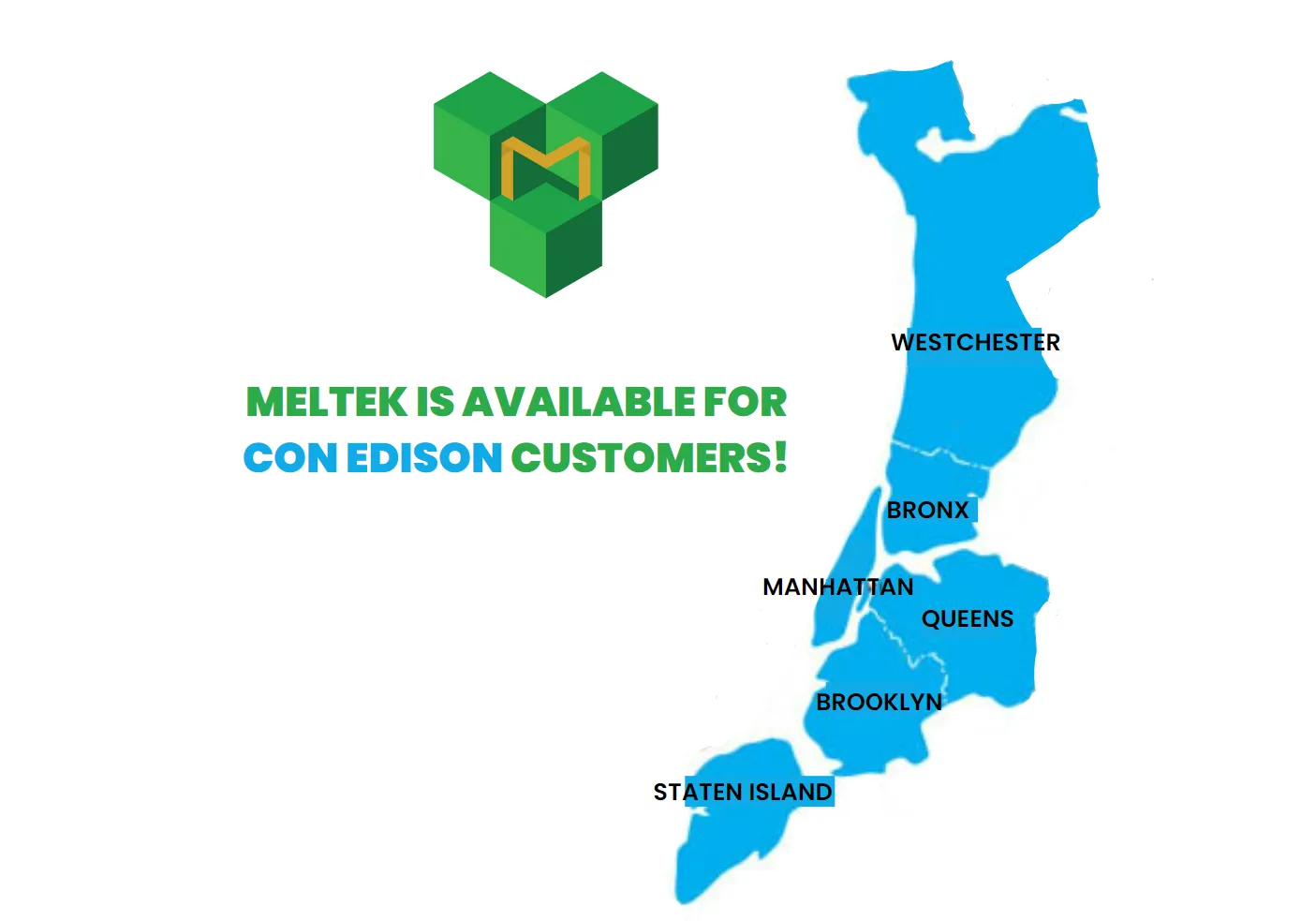
Are you staying within the five boroughs or Westchester? If you’re just moving from Astoria to Park Slope, you aren't really "stopping" service in the global sense; you’re transferring it.
When you choose to transfer, you’re basically closing one "sub-account" and opening another. This is actually smoother because your payment history and "Level Payment Plan" settings (if you use them) usually follow you. You can schedule the stop for your old place and the start for your new place in one single session. Just make sure there's a day of overlap if you plan on cleaning the old place after the move. Scrubbing a bathroom in the dark is a special kind of misery.
Real Talk: The Challenges You Might Face
It’s not always sunshine and rainbows. Sometimes the website glitches. Sometimes the previous tenant at your new place didn't do their part, and you find yourself in a "service transition" limbo.
One common issue is the "Landlord Reversion" agreement. Some landlords have an arrangement where the bill automatically flips back into their name when a tenant leaves. This is great because it prevents the pipes from freezing in the winter. However, if your landlord hasn't set this up, and you request a hard stop, Con Ed might physically send a technician to pull the meter or lock the service. If that happens, the next tenant might have to pay a reconnection fee. It’s a courtesy to let your landlord know the exact date you’re ending service so they can take over the bill if they want to keep the lights on for showings.
The ESCO Complication
Are you buying your electricity from a third-party Energy Service Company (ESCO)? You know, those people who stop you in the street or call you promising "green energy" at lower rates?
If you have an ESCO, stopping your Con Ed service usually stops the ESCO billing too, because Con Ed handles the delivery and the consolidated billing. But check your contract. Some predatory ESCOs have early termination fees. If you’re moving, you usually get an exemption from these fees, but you might have to send them a copy of your new lease as proof. It's an extra step that most people forget until they see a $150 "exit fee" on their credit card statement.
Essential Checklist for Your Final Week
Instead of a generic list, think of this as your "don't get ripped off" strategy.
First, confirm if your building is "master-metered." If your rent includes utilities, you don't even have a Con Ed account to stop. Lucky you. If you do have an account, log in today—don't wait. Check if there are any outstanding "deferred payment agreements." If you’ve been paying off a back balance, that total amount usually becomes due immediately when you close the account.
Second, if you’re moving out of a house rather than an apartment, remember the gas. If you have a gas stove or water heater, the Con Edison stop service request covers both, but sometimes the meters are in different spots. Ensure the technician (if one is required) has access to both.
Third, look at your "Level Payment" status. If you pay a flat $120 every month regardless of usage, Con Ed has been keeping a "running balance" of your actual usage vs. what you paid. If you used more than you paid for over the last six months, your final bill will include a "settlement" charge. This can be a nasty surprise—sometimes several hundred dollars—if you moved out right after a hot summer of heavy AC use.
Actionable Steps for a Clean Break
To ensure you aren't paying for electricity you aren't using, follow this exact sequence:
- Log in seven days before moving. Don't rely on the phone lines unless you have to. Use the "Move Out" tool on the website.
- Pick a "Stop Date" that is 24 hours after your move-out. This gives you a buffer for last-minute cleaning or late-night packing.
- Provide a real forwarding address. This is the only way to get your final statement and any potential refund checks.
- Manual Meter Reading. On your final walk-through, take a photo of the electric and gas meters. If your final bill is an "estimate," call Con Ed immediately and provide the numbers from your photo.
- Check your ESCO status. If you aren't buying supply directly from Con Ed, notify the third-party provider to avoid "contract break" fees.
- Save the confirmation number. When you submit the request online, you’ll get a confirmation code. Screenshot it. If the bill keeps running, that code is your "get out of jail free" card.
Closing out an account shouldn't be the hardest part of your move. By being proactive and documenting the meter yourself, you keep the power (literally and figuratively) in your hands. Once that confirmation email hits your inbox, you can go back to the much more important task of trying to figure out which box you put the TV remote in.