If you’ve ever turned on a classic rock station, you’ve heard "Come and Get Your Love." It’s everywhere. It was in Guardians of the Galaxy, it’s in countless commercials, and it has this infectious, driving bassline that just sticks. But most people couldn't tell you who actually wrote it. They might say "Redbone," and they'd be right, but the heartbeat of that band—and a massive chunk of mid-century American music history—belongs to two brothers: Pat and Lolly Vegas.
They weren't just a "Native American rock band." That label, while true, is kinda reductive. Before they ever put on the regalia or hit the Top 40, Pat and Lolly were two of the hardest-working session musicians and songwriters in Los Angeles. They were chameleons. They were survivors. Honestly, the fact that they aren't household names on the level of the Everly Brothers is one of the music industry's weirdest oversights.
From Fresno to the Sunset Strip
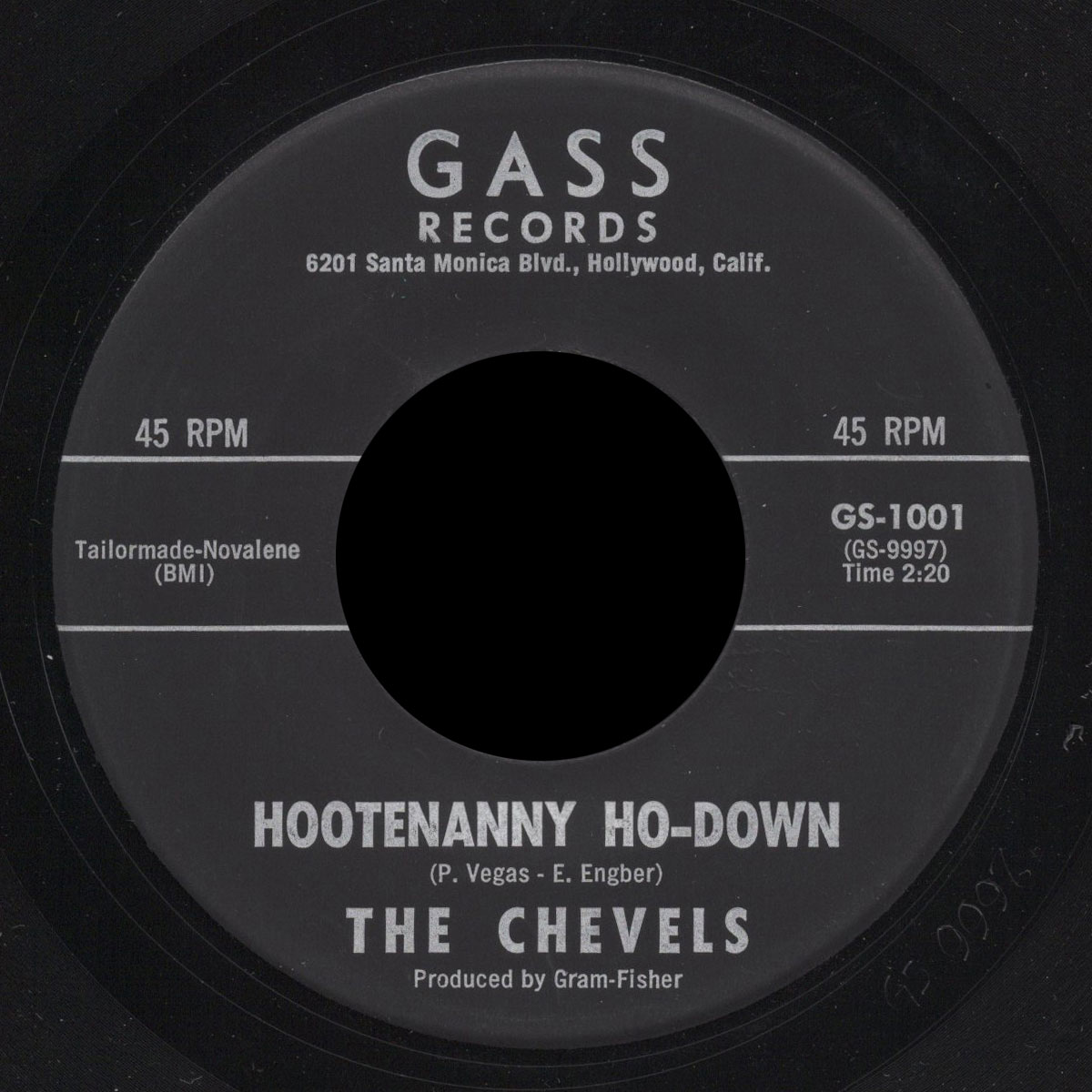
The Vegas brothers (born Vasquez) started out in Fresno, California. They were of Yaqui and Shoshone descent. Moving to L.A. in the early 60s was a gamble, but they had chops. Real chops. They started playing the club circuit, and pretty soon, they were the house band at The Haunted House in Hollywood.
Think about the atmosphere then.
It was loud. It was sweaty. It was the era of the "Wrecking Crew," where if you couldn't play perfectly on the first take, you were out of a job. Pat and Lolly didn't just survive that environment; they thrived in it. They became "musician's musicians." While other bands were struggling to tune their guitars, the Vegas brothers were already recording with P.J. Proby and appearing on Shindig!, the massive ABC musical variety show.
They were basically everywhere. You've probably heard their playing on records without even realizing it. They performed with Tina Turner. They worked with James Brown. They were even part of the session for Elvis Presley’s ’68 Comeback Special. Yeah, that Elvis.
The Jimi Hendrix Connection
There is a persistent story in rock circles—and it's actually true—that Jimi Hendrix was the one who pushed them to lean into their heritage. Hendrix, who had Cherokee roots himself, reportedly saw the brothers and told them they needed to form an all-Native American rock group.
He saw the "Redbone" concept before they did.
At the time, "Redbone" was a Cajun term for a mixed-race person, and the brothers reclaimed it. It wasn't just a gimmick. It was a political statement at a time when the American Indian Movement (AIM) was gaining steam. They weren't just playing music; they were taking up space in a culture that had spent decades trying to erase them.
The Sound of "Come and Get Your Love"
Let’s talk about that song for a second because it’s a masterclass in production. Released in 1974, it reached number 5 on the Billboard Hot 100. Most people think of it as a straight-up pop-rock hit. But if you listen closely to Lolly’s guitar work and Pat’s bass, it’s deeply funky.
It’s got this "swamp rock" feel mixed with R&B.
Lolly used a Leslie speaker for his guitar—that’s the thing that spins to give it that watery, swirling sound—which was usually reserved for organs. It gave the track a psychedelic edge that felt modern but also ancient.
Pat Vegas once mentioned in an interview that the song was about "the love of humanity," not just a romantic thing. It was a universal call. And it worked. The song stayed on the charts for 24 weeks. In the 70s, that was an eternity.
Beyond the Hits: "Maggie" and "The Witch Queen of New Orleans"
If you only know the big hit, you’re missing out on the dark, heavy stuff. "The Witch Queen of New Orleans" is a prime example of their range. It’s swampy. It’s eerie. It sounds like something crawling out of a bayou at midnight.
- It showcased Lolly’s ability to write a hook that felt like a folk legend.
- It proved they could appeal to international audiences (it was a huge hit in the UK).
- It cemented their "Native American Swamp Rock" identity.
Then there’s "Maggie." It’s a straight-up rocker. Pat’s bass is so distorted and heavy it almost sounds like early heavy metal. They were versatile in a way that confused labels. Were they a pop band? A protest band? A funk group? They were all of it.
Why They Weren't Just "Another 70s Band"
The Vegas brothers were doing something dangerous. In 1973, they released "We Were All Wounded at Wounded Knee." The song was a direct response to the 1890 massacre and the contemporary standoff at Wounded Knee.
It was incredibly controversial.
The song was essentially banned from many US radio stations because it was "too political." It’s a catchy song, but the lyrics are searing. "You made us promises that you never kept," they sang. While it became a number-one hit in Europe—specifically in the Netherlands and Belgium—it was suppressed at home. This is a huge reason why their legacy in the States is often boiled down to just the "feel-good" hits. They were willing to sacrifice their commercial momentum to say something that mattered.
The Lolly Vegas Legacy and Modern Influence
Lolly Vegas passed away in 2010, which was a massive blow to the music community. He was the primary songwriter and that distinctive voice. But Pat has kept the flame alive. He’s been the gatekeeper of the Redbone legacy, ensuring the world remembers that they weren't just a footnote.
You see their influence everywhere now.
When you watch a show like Reservation Dogs or see the rise of indigenous artists like The Halluci Nation (formerly A Tribe Called Red), you’re seeing the seeds that Pat and Lolly planted. They proved that you could be unapologetically Native and still dominate a mainstream stage.
Honestly, their discography is a gold mine for anyone tired of the same ten "classic rock" staples. If you dig into albums like Potlatch or Beaded Dreams through Turquoise Eyes, you’ll find complex arrangements, beautiful vocal harmonies, and a level of musicianship that most modern bands can't touch.
What Most People Get Wrong
People often think Redbone was a "one-hit wonder."
That's just factually incorrect. They had several charting singles and a career that spanned decades. The "one-hit wonder" tag usually comes from a lack of research or a refusal to look past the Guardians of the Galaxy soundtrack. They were also world-class producers. Pat Vegas, in particular, had an ear for arrangement that helped define the "L.A. Sound" of the late 60s.
How to Explore Their Music Today
If you want to actually understand what Pat and Lolly Vegas brought to the table, don't just loop "Come and Get Your Love."
Start with the Redbone self-titled debut from 1970. It’s a double album. That was a bold move for a debut. It shows their ambition. You’ll hear jazz, blues, and even some Latin influences. It’s a melting pot, which makes sense given their background and where they grew up.
Actionable Steps for the True Music Fan:
- Listen to "Alcatraz": It’s a haunting track about the 1969 occupation of the island. It shows their political teeth.
- Watch the 1974 "Midnight Special" Performance: You need to see them move. The stage presence is electric, and Lolly’s guitar playing is even better live than on the record.
- Check out Pat Vegas’ Solo Work: He’s released music more recently that carries that same soulful, rhythmic DNA. It's worth a spin to see how the sound evolved.
- Read "King Kong: The Pat Vegas Story": If you can find a copy, Pat’s biography gives the gritty details of the Sunset Strip era that most history books leave out.
The story of Pat and Lolly Vegas is a story of American resilience. They were told to hide who they were, then they were told to exaggerate who they were, and through all of it, they just kept playing. They were masters of the groove. And the groove, as they proved, is universal.
Next time you hear that "Hail! Hail!" at the start of their biggest hit, remember the two brothers from Fresno who had to fight twice as hard to get half the credit. They weren't just a band; they were a movement.
Source References & Further Reading:
- Redbone: The True Story of a Native American Rock Band (Graphic Novel by Christian Staebler and Sonia Paoloni, overseen by Pat Vegas).
- The Wrecking Crew: The Inside Story of Rock and Roll’s Best-Kept Secret by Kent Hartman.
- Archives of Shindig! musical variety show (1964-1966).
- Billboard Charts Historical Data (1971-1974).