If you’ve spent any time wandering the Sutton Place or Midtown East border, you’ve seen it. It’s huge. It’s white brick. It takes up a massive chunk of the block. 300 East 56th Street, better known to locals and real estate junkies as Plaza 400, is one of those quintessential New York City co-ops that defines a specific era of luxury living. Honestly, it’s a bit of a polarizing building. Some people think the 1960s "white brick" aesthetic is dated, while others recognize it for what it actually is: one of the most amenity-rich, well-run machines in Manhattan.
It's not just another apartment building.
Back in 1968, when Philip Birnbaum designed this tower, the goal wasn't just to house people. It was to create a self-contained ecosystem. We’re talking about a 40-story giant with over 600 units. In a city where "luxury" often means a cramped hallway and a part-time super, 300 East 56th Street goes in the opposite direction. It’s big. It’s loud. It’s impeccably staffed. But because it’s a co-op, the rules are different than a standard rental or condo. If you’re looking at a listing here, you can't just swipe a credit card and move in. You’ve got to play the game.
The Reality of the Plaza 400 Lifestyle
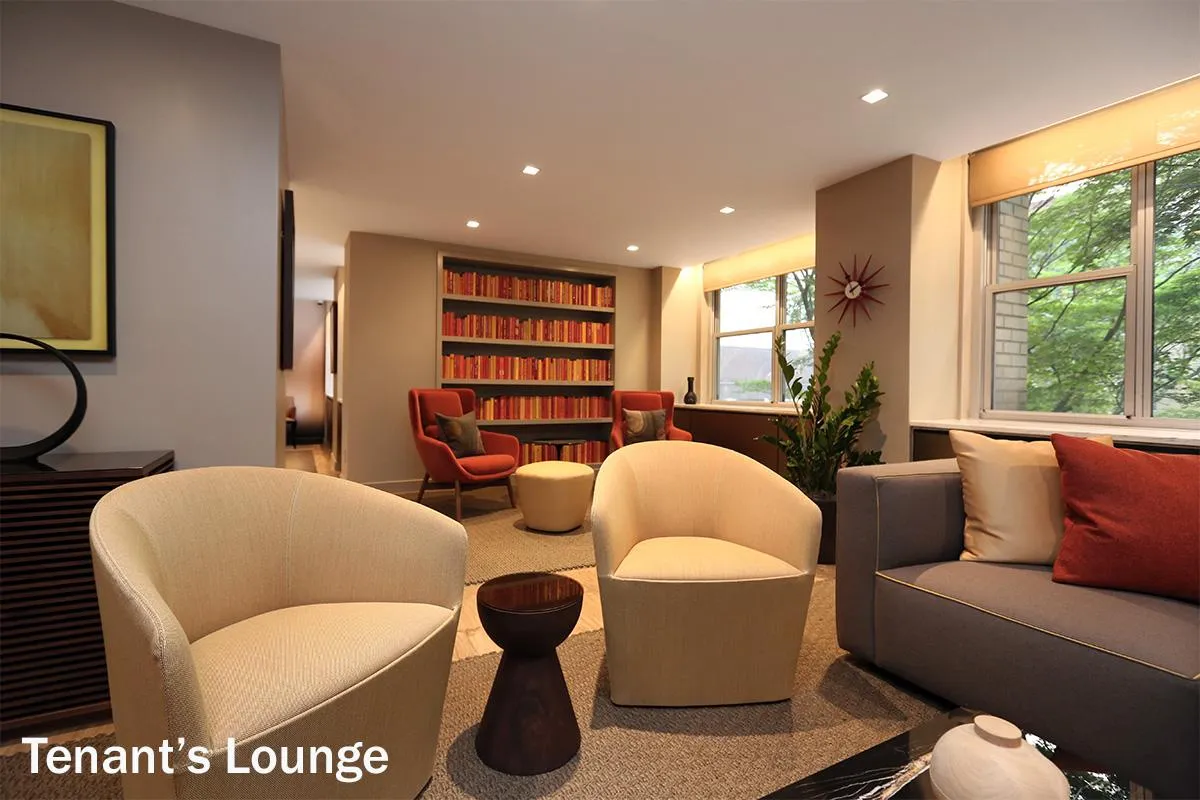
Living here is kinda like being on a permanent cruise ship that happens to be parked in the middle of New York. The amenities are the headline. You’ve got a rooftop pool—which, let’s be real, is the ultimate flex in July—and a 360-degree view that hits differently at sunset. Most buildings in this price bracket give you a gym in a basement with two creaky treadmills. Here, the fitness center is legit.
But here is the thing people miss: the floor plans. Because this was built in the late 60s, the proportions are generous. You won't find those weird, diagonal "architectural" walls that make it impossible to fit a couch. You get square rooms. Huge closets. Real dining alcoves.
The maintenance fees? Yeah, they’re high. I’m not going to sugarcoat that. However, those fees are almost all-inclusive. In many units, your utilities—electric, gas, air conditioning—are bundled right into that monthly check. When you do the math on what you’d pay for ConEd in a glass tower across town, the numbers at 300 East 56th Street start to look a lot more reasonable. Plus, the building has its own discounted cable and internet packages. It’s a managed lifestyle.
Why the Co-op Board is a Big Deal
You can’t talk about this building without talking about the board. It’s a co-op, not a condo. This means when you "buy" an apartment, you’re actually buying shares in a corporation.
The board at 300 East 56th Street is known for being thorough. They want to see a solid financial profile. Generally, they look for a 20% to 30% down payment, though specific requirements can shift depending on the current market and the specific unit size. They also have a pretty strict subletting policy. If you’re looking for an investment property to flip on Airbnb, keep moving. This is a building for residents. People live here for decades. They know their neighbors. They know the doormen by name.
One quirk about Plaza 400 is its policy on "pied-à-terres." They allow them! That’s actually a huge selling point because many high-end Sutton Place co-ops are strictly primary-residence only. If you want a weekend spot in the city where you can take a dip in a rooftop pool after hitting the shops on 5th Avenue, this is one of the few places that makes it easy.
Location: The Sutton Place Edge
People get confused about where 300 East 56th Street actually sits. It’s technically in the Sutton Place neighborhood, but it’s right on the edge of Midtown East. It’s the sweet spot. You’re close enough to the 4, 5, 6, N, R, W, and E trains to get anywhere fast, but you’re far enough away from the chaos of Times Square that you can actually sleep at night.
- Whole Foods is just a few blocks away on 57th.
- The East River Greenway is right there for morning runs.
- Neary’s and P.J. Clarke’s are legendary local spots for a drink.
It’s a neighborhood that feels established. It doesn't feel like a "new" trendy area that’s going to change in six months. It’s old-school New York. You’ll see people walking their poodles and see the same neighbors at the coffee shop every single day.
What Most People Get Wrong About White Brick Buildings
There’s a lot of snobbery in NYC real estate regarding 1960s white brick construction. People call them "boring." But here is the truth: these buildings were built to last. Unlike some of the ultra-slim glass towers going up today that sway in the wind and have leaky floor-to-ceiling windows, 300 East 56th Street is a tank.
The insulation is typically better. The plumbing is often more robust. And because there are so many units, the cost of major capital improvements—like a new roof or a lobby renovation—is spread out across hundreds of owners. This makes individual assessments way less painful than in a 10-unit boutique building where a broken boiler can cost every owner $50,000 overnight.
Managing the Finances
If you're seriously considering a move to 300 East 56th Street, you need to look at the "flip tax." Like many luxury co-ops, there is a fee paid during the sale of an apartment. At Plaza 400, this is typically a 2% flip tax paid by the buyer. It sounds like a lot, but this money goes directly into the building's reserve fund. That’s why the lobby looks like a five-star hotel and the elevators actually work. It’s a reinvestment in your own asset.
Also, be aware of the "No Pets" history. For a long time, the building was famous for its strict rules, but they have modernized significantly over the years. Currently, the building allows cats, but dogs are generally not permitted for tenants (though there are specific nuances for owners and service animals). Always check the latest house rules before you fall in love with a unit if you have a furry friend.
Actionable Steps for Potential Buyers
If you want to land an apartment at 300 East 56th Street, don't just show up to an open house. You need a strategy because these units move fast when they are priced right.
First, get your "REBNY Financial Statement" in order before you even look at a floor plan. Since this is a co-op, the seller's agent won't even take you seriously without knowing your debt-to-income ratio. You want that ratio to be under 25-30% to breeze through the board.
Second, look at the "line" of the apartment. In a building this size, the "A" line might have a totally different view and light situation than the "M" line. The higher floors on the North and West sides get incredible city skyline views, while the South-facing units get hit with amazing natural light all day long.
Finally, talk to the doormen. If you're touring a unit, tip your cap and ask how they like working there. The staff at Plaza 400 is legendary—many have been there for 20+ years. If the staff is happy, the building is usually healthy.
Check the specific listing's assessment history. Large buildings often have ongoing projects. Ask if there are any current assessments for local law 11 (facade work) or elevator upgrades. Knowing if a $200-a-month surcharge is ending in six months or just starting can change your negotiation power significantly.
300 East 56th Street isn't just an address; it's a massive, vertical village. It offers a level of service and a suite of amenities that are increasingly hard to find at this price point in Manhattan. If you can get past the board interview and the "no dogs" rule, you're looking at one of the most stable and comfortable living situations in the city.