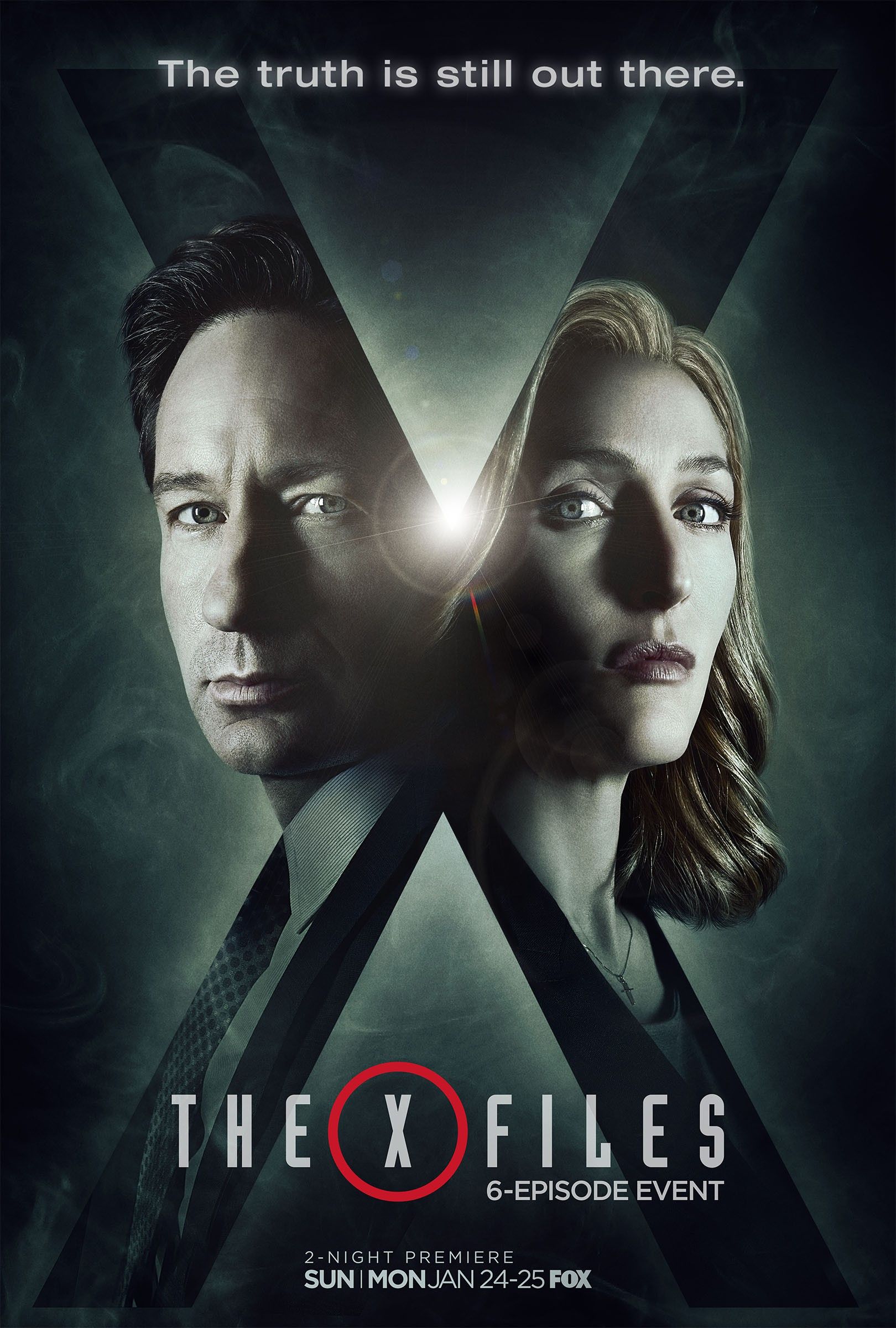
The basement office was cramped. It smelled like stale filing cabinets and obsession. When David Duchovny and Gillian Anderson first stood in that Vancouver gloom in 1993, nobody—not even Chris Carter—really thought they were launching a decade-defining cultural juggernaut. They were just two relatively unknown actors trying to make sense of scripts about liver-eating mutants and gray aliens. But the chemistry was weirdly perfect. It wasn't just the "will-they-won't-they" tension that kept us glued to those heavy CRT televisions every Sunday night. It was the specific, grounded weight the stars of the X-Files brought to a show that, on paper, sounded absolutely ridiculous.
Think about it. You have a guy who jump-started his career as a hand model and a woman who had barely any screen credits to her name. They were kids, basically.
The David Duchovny Paradox
David Duchovny wasn't your typical leading man. He had this Yale and Princeton pedigree, a Master’s in English Literature, and a vibe that suggested he was always about five seconds away from telling a very dry joke that you might not get. Before he was Fox Mulder, he was the cross-dressing DEA agent Denise Bryson on Twin Peaks. He brought that same lack of judgment to Mulder.
People forget how much Duchovny actually shaped the character. He fought for Mulder’s vulnerability. He didn't want a "tough guy" FBI agent; he wanted a guy who was fundamentally broken by the loss of his sister. That’s why we loved him. He was a dork with a badge. He ate sunflower seeds and watched bad late-night movies.
After he left the show (well, the first time), he didn't just fade away. He pivoted. Hard. Californication proved he wasn't just a one-trick pony. Hank Moody was the antithesis of Fox Mulder—cynical, hedonistic, and deeply messy in a way Mulder never was. Then there’s the music. Duchovny released albums like Hell or Highwater. It's folk-rock, it's earnest, and it's actually decent. He's also a legitimate novelist. Holy Cow and Miss Subways aren't just "celebrity vanity projects"; they’re dense, weird, and highly literate. He’s a polymath who just happened to become a sci-fi icon along the way.
Gillian Anderson: The Skeptic Who Conquered Everything
If Duchovny was the heart, Gillian Anderson was the spine. It’s hard to overstate how much the "Scully Effect" changed the world. This is a real thing. A study by the Geena Davis Institute on Gender in Media found that women who watched The X-Files were significantly more likely to pursue careers in STEM (Science, Technology, Engineering, and Math). That’s the power of Dana Scully.
But Anderson herself? She’s a chameleon. Honestly, she might be one of the most versatile actors of her generation.
Look at her trajectory after the Bureau. She moved to London. She did period dramas. She did The Fall, playing Stella Gibson, a character so cool and controlled she made Scully look like a frantic teenager. Then she played Margaret Thatcher in The Crown. The transformation was uncanny—the voice, the tilt of the head, the sheer iron-willed presence. Most stars of the X-Files struggle to outrun the shadow of their most famous role, but Anderson didn't just outrun it; she built a whole new city in its wake. She’s won Emmys, Golden Globes, and SAG awards across three different decades. That doesn't happen by accident. It happens because she’s a powerhouse.
The Supporting Cast: More Than Just Background Noise
You can't talk about the stars without mentioning the Cigarette Smoking Man. William B. Davis was a drama coach who originally had no lines. He was just supposed to stand there and look menacing. He ended up becoming one of the most iconic villains in television history. He actually quit smoking years before the show and had to use herbal cigarettes because he hated the real ones.
And then there are the Lone Gunmen. Tom Braidwood, Dean Haglund, and Bruce Harwood. They were supposed to be a one-off joke. Instead, they got their own spin-off. Their 2001 pilot episode famously—and creepily—featured a plot about a hijacked plane being flown into the World Trade Center, aired months before the actual 9/11 attacks. It’s the kind of coincidence that Mulder himself would have spent three episodes investigating.
Mitch Pileggi, as Walter Skinner, provided the necessary friction. He was the "dad" of the FBI. Pileggi brought a physical intensity that balanced the cerebral nature of the leads. He was often the only thing keeping the show grounded in a recognizable reality when the plot involved soul-swapping or shape-shifting bounty hunters.
Why the Chemistry Still Works
The truth is, the show worked because Duchovny and Anderson actually liked each other—mostly. There were years where they didn't speak much off-camera. They’ve been open about the friction of working 16-hour days in the freezing Vancouver rain. But that friction created heat. When they reunited for the revival seasons in 2016 and 2018, the dialogue felt a bit clunkier, sure. The plots were a mess. But the moment those two were in a car together? Magic.
It’s about the gaze. The way they look at each other.
The Weird Legacy of the 2016/2018 Revivals
Let's be real: the revival seasons were polarizing. Some fans loved seeing the old gang back together, while others felt the "My Struggle" mythology arcs were borderline nonsensical. But even in those messy episodes, the stars of the X-Files delivered.
Duchovny played an older, more tired Mulder with a heartbreaking grace. Anderson, meanwhile, seemed to be vibrating at a higher frequency, her Scully now a woman who had seen too much to ever truly go back to "normal" medicine. They dealt with the aging of their characters in a way that felt honest. They weren't trying to be the same people they were in 1994. They were parents who had lost a child (William). They were lovers who had drifted and come back together.
What You Probably Didn't Know
- Gillian Anderson was almost replaced early on. The network wanted someone more "bombshell" and less "medical doctor." Chris Carter fought for her. He won. We all won.
- David Duchovny directed some of the weirdest and best episodes, like "The Unnatural," which is about an alien who just wants to play baseball. It’s surprisingly poetic.
- Nicholas Lea, who played the treacherous Alex Krycek, was originally cast as a small-time clubgoer in a first-season episode before being brought back as the man we all loved to hate.
- Robert Patrick and Annabeth Gish had the impossible task of replacing the leads in the later seasons. While many fans revolted at the time, history has been kinder to John Doggett. Patrick brought a "man on the ground" grit that the show actually needed at that point.
The Actionable Insight for Fans and Collectors
If you’re looking to dive back into the world of the stars of the X-Files, don't just stick to the TV show. The real depth is in the expanded media where the actors actually participated.
- Listen to the Audio Productions: Audible released The X-Files: Cold Cases and Stolen Lives. These aren't just cheap cash-ins. Duchovny, Anderson, Pileggi, and the Gunmen all returned to voice their characters. It bridges the gap between the 2008 movie I Want to Believe and the revival series. It’s the closest we’ll get to "classic" X-Files.
- Follow the Convention Circuit: Unlike some stars who distance themselves from their sci-fi roots, Duchovny and Anderson frequently appear at fan expos. Their panels are notoriously funny—they have a shorthand that only comes from decades of shared history.
- Read the Books: Specifically, David Duchovny’s fiction. If you want to understand the mind of the man who played Mulder, read Truly Like Lightning. It deals with faith, isolation, and the American fringe—all themes that permeated the show.
- Support the "Scully Effect": Look into organizations like Girls Who Code. Gillian Anderson has long been a supporter of science education and various charities (like Neurofibromatosis Network). Supporting these causes is the best way to honor the legacy of the character she built.
The X-Files was never really about the aliens. It was about the search. It was about two people who found the only other person in the world who understood them. The stars—Duchovny, Anderson, and the incredible ensemble—didn't just play characters; they created a modern mythology. Whether they’re winning awards on the West End or writing novels about cows, they remain tethered to that basement office. And honestly? So do we.
The truth isn't just out there; it's in the work they continue to do. Stick to the original 1990s runs for the atmosphere, but watch the actors' later careers to see the true range of the talent that made the paranormal feel personal.