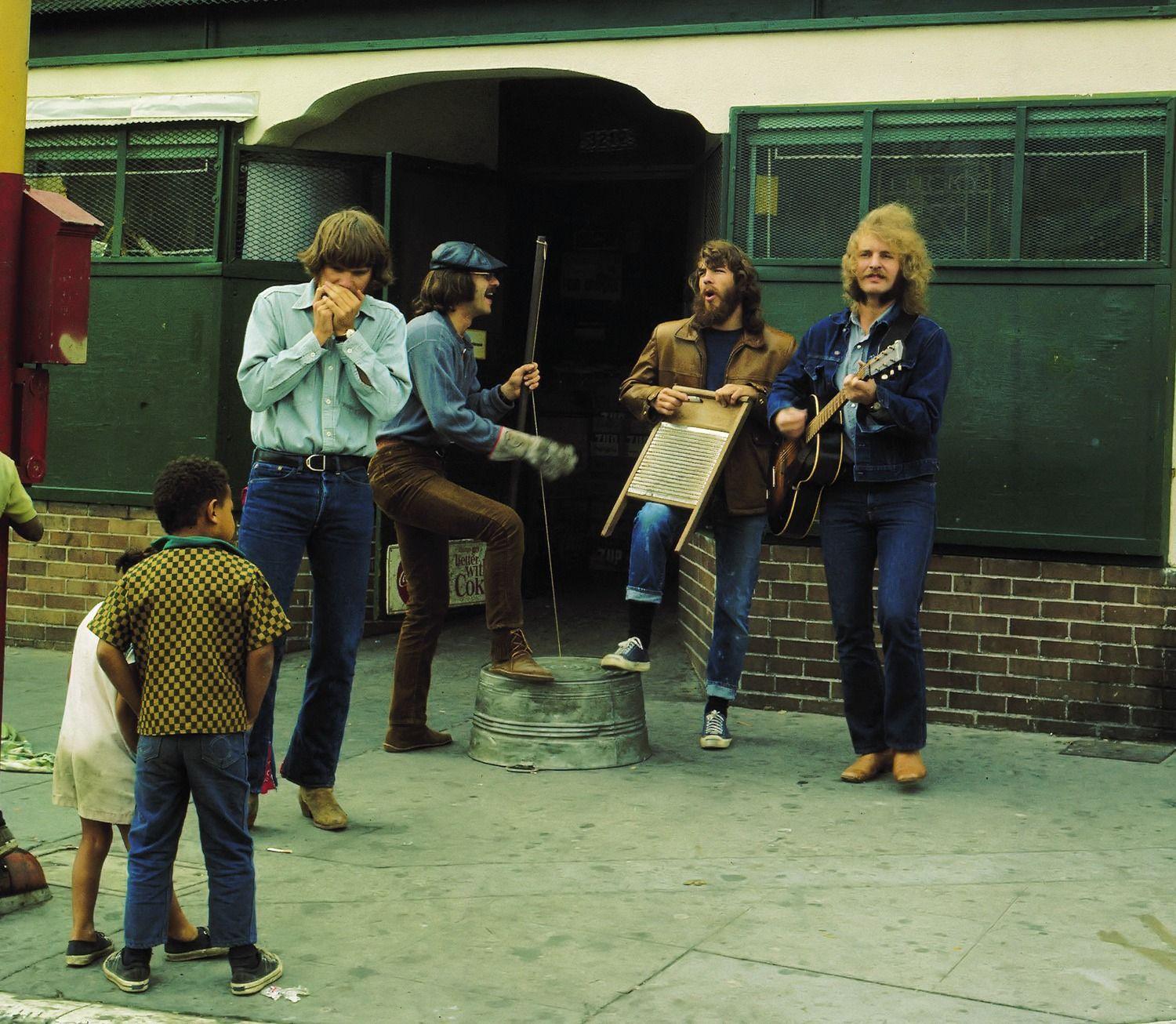
You probably know the chorus by heart. That weary, gravelly lament from John Fogerty: "Oh Lord, stuck in Lodi again." It’s the ultimate anthem for anyone who has ever felt like their life was idling in neutral in a town that didn't care they existed.
But here is the kicker. When Creedence Clearwater Revival released "Lodi" in 1969, John Fogerty had never actually been there.
He didn't get stranded at a Greyhound station. He didn't play a one-night stand in a local dive bar where the locals were "drunk and obnoxious." He hadn't even stepped foot in the city limits. He just liked the way the name sounded. To a twenty-three-year-old kid from El Cerrito, California, who was currently riding the high of "Proud Mary," Lodi sounded like the loneliest place on Earth.
The Fear of Being a One-Hit Wonder
In 1969, Creedence Clearwater Revival was arguably the biggest band in the world. They were churning out hits at a pace that seems impossible by today’s standards. Yet, John Fogerty was haunted.
He was terrified that the success would vanish.
Basically, "Lodi" was a ghost story Fogerty told himself. He was projecting a decade into the future, imagining a version of himself as a washed-up, forty-year-old country singer. In this dark timeline, he wasn't playing Madison Square Garden. He was playing for tips in a "dusty farm town" in the Central Valley, unable to even scrape together the bus fare to get back to the Bay Area.
It's a weirdly mature perspective for a young man in his prime. Most rock stars in 1969 were writing about acid trips or the Summer of Love. Fogerty was writing about career stagnation and the loss of "fame and fortune."
Why Lodi?
Why not Fresno? Why not Bakersfield? Fogerty later admitted that he chose the name purely for its phonetic "coolness." He’d seen the name on a map or a road sign during childhood trips with his father.
It fit the meter. It felt right.
"I thought it was the coolest sounding name," Fogerty said in his autobiography, Fortunate Son: My Life, My Music. He imagined it as a "nowheresville" town. Ironically, the real Lodi wasn't some desolate wasteland. By the late sixties, it was already a thriving agricultural hub, and today, it’s the "Zinfandel Capital of the World."
If the narrator of the song were actually "stuck" there today, he'd probably just go on a wine tour.
The Real-Life Inspiration (Sorta)
While Fogerty hadn't been to Lodi, the band certainly knew what it felt like to be stuck in Lodi in spirit. Drummer Doug Clifford remembers a specific gig that likely fueled the song's bitter edge.
The band was playing a small bar in the Sacramento-Cerrito Valley.
There were nine people there. Nine.
They were all drunk. They were all heckling. The bartender eventually refused to pay the band, claiming they were "too loud." To cap it all off, bassist Stu Cook backed the band's van over one of their own amplifiers while trying to make a quick escape.
That is the DNA of "Lodi." It’s the smell of stale beer and the sound of a van engine failing in a parking lot at 2:00 AM.
The B-Side That Wouldn't Die
"Lodi" was originally released as the B-side to "Bad Moon Rising." In the 1960s, the B-side was usually the "throwaway" track. But "Lodi" was too good to be ignored.
It peaked at number 52 on the Billboard Hot 100, which is respectable, but its cultural footprint is massive. It’s one of those rare songs that transcends its chart position. It has been covered by everyone from Emmylou Harris to Tesla, proving that the feeling of being "stuck" is universal.
The song’s structure is deceptively simple. It uses a classic country-rock shuffle, but that key change in the final verse? That’s where the magic happens. It raises the emotional stakes just as the narrator admits he’s "ran out of songs to play."
What Lodi Thinks of the Song
You’d think the town would be offended. After all, the song basically calls the place a dead-end trap for losers.
Honestly, they love it.
The city of Lodi has embraced its status as a rock and roll landmark. They've used "Stuck on Lodi" as a promotional slogan. The local high school has played it at games. Tourists frequently stop by the local transit center just to take a photo under the sign, pretending they’re looking for a bus out of town.
It’s a badge of honor.
Actionable Takeaways for CCR Fans
If you want to experience the "Lodi" history for yourself, don't just listen to the track on repeat. Here is how to actually engage with the legacy of Creedence Clearwater Revival:
- Visit the Real Lodi: It’s located about 35 miles south of Sacramento. Check out the Lodi Arch, which was built in 1907. It’s a far cry from the "gray-haired" musician's nightmare.
- Listen to the "Green River" Album: "Lodi" is the standout track on this 1969 masterpiece. Listen to it alongside "Bad Moon Rising" and "Wrote a Song for Everyone" to hear Fogerty at his songwriting peak.
- Watch "The Devil and Daniel Webster": This 1941 film was a huge inspiration for Fogerty’s songwriting style. You can see the "deal with the devil" themes reflected in his lyrics about fame and its cost.
- Check the Credits: Notice how many of your favorite artists have covered this song. It’s a masterclass in narrative songwriting.
The beauty of the song isn't that it's about a specific town in California. It's about that universal fear of losing your "connection." It’s about the "pot of gold" that turns out to be a mirage. Whether you're in Lodi, London, or Little Rock, everyone eventually feels like they're just playing for a crowd of "drunk and obnoxious" locals while waiting for a bus that’s never coming.
You don't need to be a down-and-out musician to get it. You just need to have had a bad Monday.
Next time you’re driving through the Central Valley, put on the Green River album. Look for the exit signs. You might not be stranded, but for three minutes and ten seconds, you can feel exactly what John Fogerty was afraid of.
Explore the Discography: If you're looking to dig deeper into the swamp rock sound, prioritize the three albums CCR released in 1969 alone: Bayou Country, Green River, and Willy and the Poor Boys. This remains one of the most productive single years for any artist in music history.