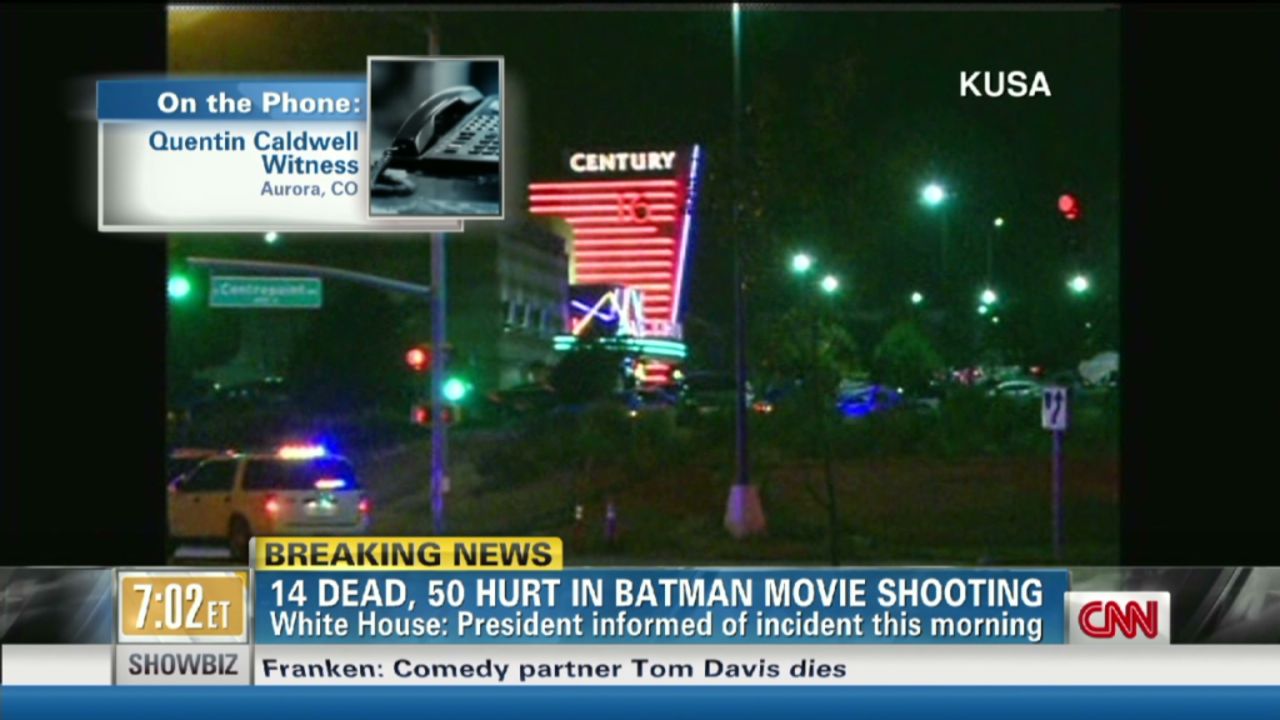
It was July 20, 2012. People were just there for a movie. The Dark Knight Rises was the biggest thing in the world that summer, and the Century 16 multiplex in Aurora, Colorado, was packed. Midnight premieres used to feel like a community event. Then, about 20 minutes into the film, a man walked through an emergency exit and changed everything.
The 2012 Aurora theater shooting remains one of the most studied, debated, and frankly, haunting mass casualty events in American history. It wasn't just the scale—12 people dead and 70 injured—but the clinical, almost theatrical nature of the attack. People initially thought the smoke canisters were part of a special effects stunt for the film. That confusion cost precious seconds.
Honestly, when you look back at the police transcripts and the trial testimonies, the chaos is hard to wrap your head around. It wasn't a quick event. It was a prolonged nightmare in a dark room filled with the smell of tear gas and the sound of a Hollywood blockbuster playing over the screams.
The Reality of the Midnight Premiere
The shooter, James Holmes, didn't just snap. That’s a common misconception. The trial, which didn't happen until 2015, laid out a grueling timeline of planning. He had spent months stockpiling weapons, including an AR-15 style rifle, a shotgun, and handguns. He had even booby-trapped his apartment with explosives designed to kill first responders.
The gear he wore was tactical. Ballistic helmet, gas mask, leggings, throat protector, and tactical gloves. He looked like a character out of a nightmare.
Most people don't realize that the rifle actually jammed. If it hadn't, the death toll likely would have been much higher. The drum magazine he used—a 100-round high-capacity unit—failed. It's a technical detail that survivors often point to as the only reason they are still here today.
The Victims and the Aftermath
We talk about "the shooter" a lot, but the victims' stories are what actually define the 2012 Aurora theater shooting. Take Ashley Moser, who was the most severely injured survivor; she lost her 6-year-old daughter, Veronica, and suffered a miscarriage and paralysis due to her wounds. Or the three men—Jonathan Blunk, Matt McQuinn, and Alex Teves—who all died while shielding their girlfriends from the gunfire.
That’s the part that sticks. The heroism in the dark.
The legal proceedings were a marathon. Colorado prosecutors spent years pursuing the death penalty. They didn't get it. Because the jury couldn't reach a unanimous decision on the death penalty due to Holmes' diagnosed mental health issues (schizotypal personality disorder), he was sentenced to 12 consecutive life sentences plus 3,318 years. No parole.
What Changed in the Security World?
If you've noticed that you can't just walk out of a side door at a theater anymore without an alarm screaming, or that bag checks became a thing at major chains like AMC and Regal, you can trace a lot of that back to Aurora.
The industry had to pivot.
Before 2012, movie theaters were "soft targets" in the truest sense. They were dark, loud, and had multiple unmanned exits. Post-Aurora, the National Association of Theatre Owners (NATO) had to rethink everything. We started seeing more off-duty police officers working security on opening weekends. We saw the removal of masks and face paint for fans—a blow to the "cosplay" culture of midnight premieres, but a necessary move for theater staff to identify patrons.
The Mental Health Conversation
There is a massive divide in how people view this case regarding the "insanity defense." The defense argued Holmes was in a state of "psychotic mania." The prosecution argued he was a calculated killer who knew exactly what he was doing.
The trial featured hours of recorded interviews with psychiatrists. It was a rare, deep look into the mind of someone who had completely detached from reality while maintaining the executive function to mail his journals to a therapist and set up complex tripwires in his home.
Dr. William Reid, a court-appointed psychiatrist who spent nearly 25 hours interviewing the shooter, concluded that while he was mentally ill, he met the legal definition of sanity—he knew his actions were "wrong" in the eyes of society.
Impact on Gun Legislation
The 2012 Aurora theater shooting served as a catalyst for Colorado's gun laws. This is where things get political, but the facts are the facts. In 2013, the state passed a package of bills that included:
- Universal background checks.
- A ban on high-capacity magazines (more than 15 rounds).
- Requirements for gun buyers to pay for their own background check fees.
These laws were highly controversial. They led to the recall of two state senators. It showed that even in the wake of a tragedy that horrified the nation, the legislative response remains a tug-of-war.
Addressing the Misconceptions
You might have heard the "Joker" rumor. For years, a narrative circulated that the shooter told police he was "The Joker."
This was debunked.
George Brauchler, the lead prosecutor, and various law enforcement officials have stated there is no evidence he ever identified as the Joker or that the crime was a "tribute" to the Batman villain. He chose the movie because it was a high-capacity event, not because of a specific obsession with the characters.
The media often latches onto these cinematic narratives because they make sense of the senseless. But the reality was much more clinical and less "theatrical" in terms of motive.
How to Support the Ongoing Recovery
The tragedy didn't end when the police tape came down. The Aurora Strong Resilience Center was established to provide long-term mental health support. Many survivors deal with permanent physical disabilities and complex PTSD.
If you are looking to understand the impact or help, here is how you can actually engage with this history:
- Support Victim Advocacy: Organizations like the National Center for Victims of Crime work with survivors of mass shootings to navigate the complex legal and financial aftermath.
- Mental Health Awareness: Understanding the "red flags" that were missed in this case—such as the shooter's communications with campus clinics—has led to better "threat assessment" programs in universities.
- Visit the Memorial: The "7/20 Memorial" in Aurora’s City Center Park is a place of reflection. It features 83 crane sculptures, representing the people killed and injured.
- Check Your Surroundings: It sounds paranoid, but safety experts now suggest always identifying two exits in any dark venue. It’s a habit born from the lessons of Theater 9.
The 2012 Aurora theater shooting is a heavy chapter in American life. It changed how we watch movies, how Colorado regulates firearms, and how we talk about the intersection of mental health and criminal intent. While the headlines have faded, the ripples in security protocol and trauma recovery are still felt every time the lights go down in a theater.
Actionable Insight: If you or someone you know is struggling with the long-term psychological effects of a traumatic event, the Substance Abuse and Mental Health Services Administration (SAMHSA) provides a 24/7 Disaster Distress Helpline at 1-800-985-5990. Recovery is a lifelong process, and professional resources are specifically designed to handle the nuances of mass violence trauma.