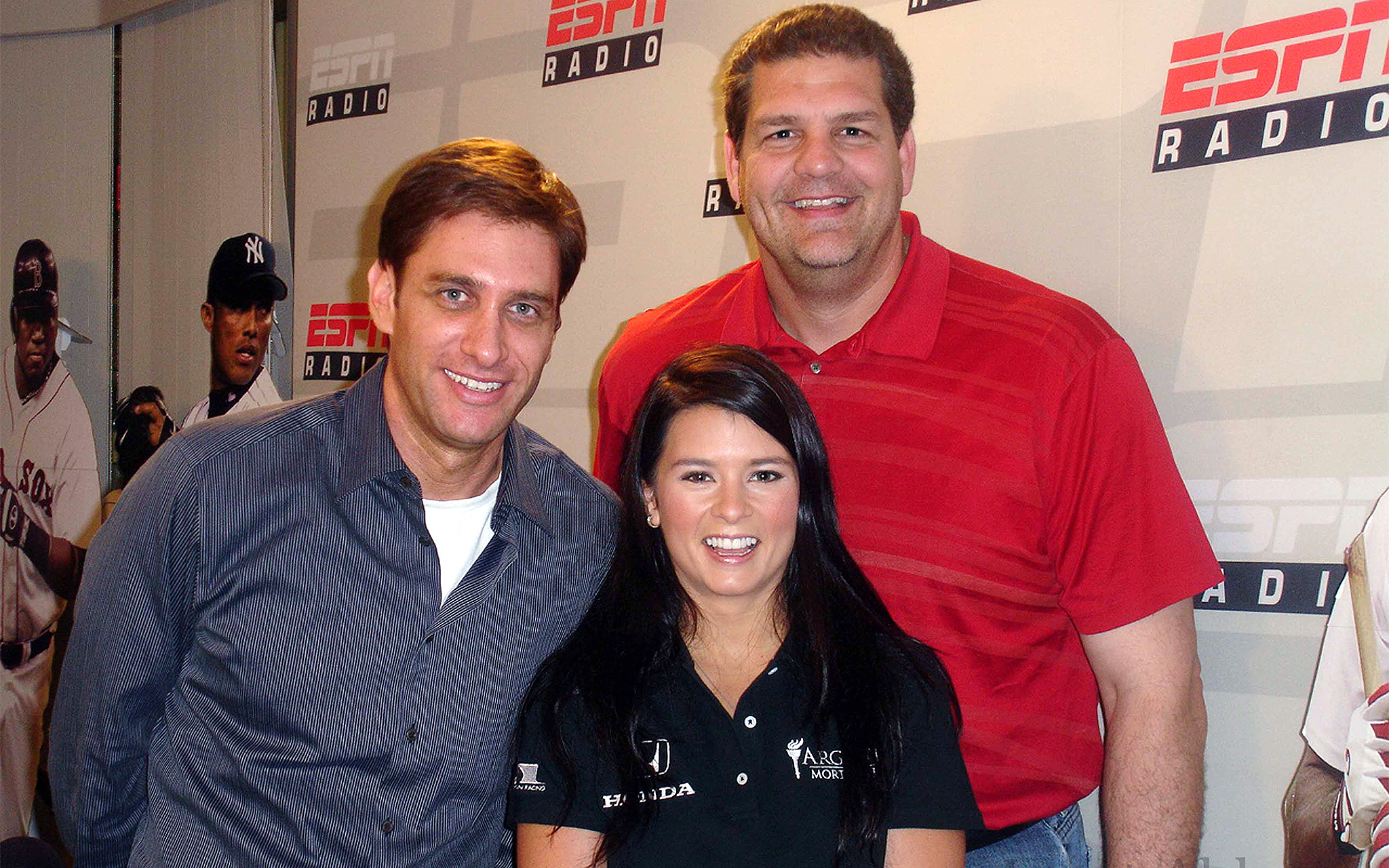
Morning radio changed forever on November 17, 2017. That was the day Mike Greenberg and Mike Golic signed off for the last time. It wasn’t just a show ending; it was the death of a routine for millions of people who grew up listening to the "odd couple" of sports media while driving to work or eating breakfast. If you spent any time in a car between 2000 and 2017, you knew the dynamic. Greeny was the nerdy, stats-obsessed, grammar-policing researcher. Golic was the former NFL defensive lineman who liked donuts, sub sandwiches, and common-sense football takes.
They lasted 18 years. Think about that. Most marriages don't last 18 years. In the volatile world of sports broadcasting, staying on top for nearly two decades is basically a miracle. But the way it ended was... well, it was messy. People still ask what happened with Mike and Mike because the transition felt forced, corporate, and surprisingly cold.
The slow-motion car crash of 2017
Rumors started swirling long before the official announcement. You could hear it in the broadcasts. The chemistry, which used to feel like two best friends at a bar, started feeling like two coworkers who had HR-monitored cubicles next to each other.
The reality is that ESPN executives wanted to "brand-extend." They saw Mike Greenberg as a solo superstar who could anchor a flagship morning television show—which eventually became Get Up. They saw Golic as the anchor of the radio side. The plan made sense on a spreadsheet in Bristol, Connecticut. It didn't make sense to the fans who tuned in for the friction between the two hosts.
Reports from The Big Lead and The New York Post at the time suggested the breakup wasn't exactly a mutual "let's go our separate ways" situation. There were whispers that Golic was blindsided. Imagine working with a partner for 17 years and finding out through the grapevine or a corporate memo that the partnership is being dissolved so your partner can move to a shiny new set in New York City. It’s gotta sting. Golic’s own family didn't hold back on social media either. His son, Mike Golic Jr., and his daughter, Sydney, made it pretty clear they weren't thrilled with how the "suits" handled the legend's exit.
Why it wasn't just about "moving on"
Context matters here. In 2017, ESPN was going through an identity crisis. They were losing cable subscribers by the boatload and trying to figure out how to capture the "digital" audience.
- Greeny was the face of the new direction: Polished, versatile, and very TV-friendly.
- Golic was the "old guard": Gritty, radio-first, and representative of the classic ESPN era.
When the breakup was finally public, the show became awkward to watch. For months, they had to sit across from each other knowing the clock was ticking. Golic later admitted in interviews that the final year was "difficult." You could see it on the simulcast. The eye contact was gone. The playful ribbing turned into polite, distant professionalism. It was like watching a couple stay together for the kids while the divorce papers were already signed and sitting on the kitchen counter.
Honestly, the "Greeny to TV" move was a massive gamble. Get Up had a rocky start with high production costs and shifting lineups. Meanwhile, Golic was paired with Trey Wingo for Golic and Wingo. It was a good show, but it wasn't Mike & Mike. It lacked that specific brand of magic that happens when a former athlete and a professional broadcaster actually like each other.
The Mike and Mike legacy and the aftermath
People forget how much ground they broke. They were inducted into the National Association of Broadcasters Broadcasting Hall of Fame. They weren't just "sports guys." They were the soundtrack to the American commute.
Since the split, the landscape has fractured. We have podcasts, Pat McAfee, and social media clips. But in the mid-2000s, Mike and Mike were the gatekeepers of the sports conversation. If something happened on Monday Night Football, you didn't know how to feel about it until you heard Golic yell about it or Greeny analyze the playoff implications the next morning.
So, where are they now?
Greenberg is arguably the most prominent voice at ESPN today. He hosts Get Up, anchors the NBA Countdown, and has his own solo radio show. He’s the ultimate "company man" in the best sense—reliable, professional, and incredibly skilled at directing traffic on a busy set.
Golic eventually left ESPN after his contract wasn't renewed in 2020. It marked the end of an era. He's since moved on to projects like Golic and Smetty and has been vocal about his love for the fans who stuck by him. He’s still the same guy—loves his Irish (Notre Dame), loves his family, and still doesn't have time for nonsense.
The real lesson in the breakup
What really happened with Mike and Mike wasn't a "feud" in the traditional sense. It was a corporate restructuring that ignored the "human" element of media. Fans don't tune into shows because of the logo in the corner of the screen; they tune in because they feel like they know the people talking.
When you break up a duo that has nearly 20 years of equity, you lose the trust of the audience. ESPN learned that the hard way. They've spent years trying to find a morning radio duo that sticks, cycling through various combinations, but they haven't caught lightning in a bottle twice.
If you're looking for that old Mike and Mike vibe today, it's hard to find. Everything is "hot takes" and shouting matches now. The Mikes were different. They disagreed, but they never felt like they were trying to go viral. They were just... Mike and Mike.
How to revisit the Mike & Mike era
If you're feeling nostalgic, there are a few ways to catch up with the guys or relive the highlights.
- Check out the "Golic Family" content: Mike Golic Sr. is often a guest on his children's platforms. The chemistry there is obviously natural and provides that "big personality" fix Golic fans miss.
- Watch the Hall of Fame induction: Their NAB Hall of Fame speech is a great reminder of what they actually thought of each other before the corporate interference got in the way.
- Follow Greeny’s "Greeny" show: If you liked the analytical, "Hembo-stat" driven side of Mike and Mike, his solo radio show is basically a refined version of that.
The era of the "Generalist Sports Morning Show" is mostly over. We live in a world of niches now. But for a couple of decades, two guys named Mike proved that if you're likable enough, people will listen to you talk about literally anything—even if it's just about what kind of cereal is the best.
The breakup was a reminder that in the entertainment business, "better" is often the enemy of "good." ESPN tried to make things better by splitting them up to cover more ground, but in the process, they lost the one thing that made the show "good" to begin with: the partnership.
To understand the full scope of their impact, you have to look at the ratings during their peak. They weren't just winning "sports radio." They were beating general interest morning shows in major markets like New York and Chicago. That's a level of crossover appeal that we simply don't see anymore. It wasn't just about the X's and O's of a Cover 2 defense; it was about the relatability of two guys who felt like your neighbors. When you ask what happened with Mike and Mike, the simplest answer is that the business of sports grew too large for the friendship that started it.
The move to New York for Get Up was a logistical nightmare that essentially forced the end. Greeny couldn't be in a studio in Manhattan at 7:00 AM while Golic was in Bristol. The distance was physical, but the emotional distance had been growing for months as the strategy shifted.
For the fans, the "actionable" takeaway is simple: enjoy the chemistry of your favorite creators while it's there. In the world of modern media, corporate interests, contract cycles, and the "next big thing" usually win out over tradition. Whether it's a podcast or a TV duo, these things are fragile. Mike and Mike's 18-year run wasn't just a success; it was an anomaly that we likely won't see repeated in our lifetime.