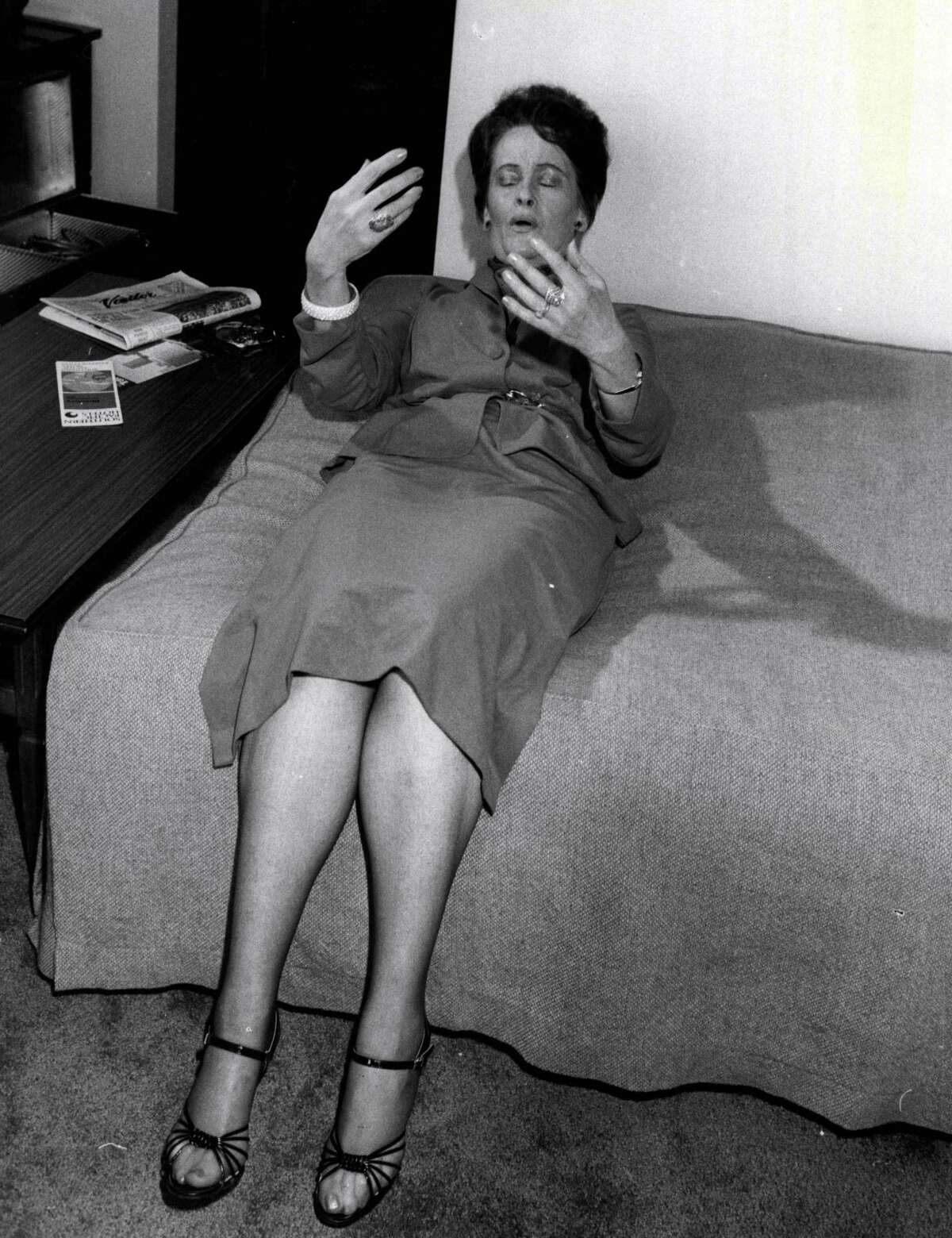
If you’ve spent any time watching The Conjuring universe or stayed up late reading about the Amityville Horror, you know the names. Ed and Lorraine Warren were the faces of paranormal investigation for over fifty years. They were the original ghost hunters long before cable TV made it a weekly hobby. But because their on-screen counterparts, Patrick Wilson and Vera Farmiga, look so eternally middle-aged in the movies, people often get fuzzy on the real-world timeline.
So, let's get into the specifics.
When did Ed and Lorraine Warren die? It wasn't at the same time, and their passing marked the end of an era for the New England Society for Psychic Research (NESPR). Ed Warren passed away first, on August 23, 2006. He was 79. Lorraine lived much longer, eventually passing away on April 18, 2019, at the age of 92.
It’s strange to think about now, but for over a decade, Lorraine continued the work without her husband. They were a package deal. He was the demonologist; she was the medium. Seeing one without the other felt like watching a solo performance from a famous duo that just didn't sit right.
The Passing of Ed Warren in 2006
Ed’s health took a massive hit long before he actually died. Back in 2001, he suffered a cardiac arrest. It was serious. He didn't just bounce back. In fact, he spent a significant amount of time in a coma and never fully regained his former strength or his ability to speak clearly. For a man who made his living lecturing at colleges and describing demonic entities to rapt audiences, that silence was a heavy blow.
He held on for five years after that initial collapse. He died at his home in Monroe, Connecticut.
Honestly, Ed was the "skeptical" believer of the two, if that makes sense. He grew up in a house he believed was haunted and spent his life trying to apply a sort of rigid, theological structure to things that go bump in the night. When he died in 2006, the paranormal community lost its most vocal advocate for the "traditional" view of hauntings—the idea that it isn't just ghosts, but often something much more sinister.
Lorraine Warren’s Final Years and 2019 Death
Lorraine outlived Ed by thirteen years. During that time, she saw their life story turn into a multi-billion dollar movie franchise. It’s wild to imagine her sitting there, in her nineties, watching a Hollywood version of her younger self battle a demonic nun. She even had a cameo in the first Conjuring movie. You can see her sitting in the audience during a clap-game scene.
She died peacefully in her sleep in April 2019. Her grandson, Chris McKinnell, was the one who shared the news with the world. He mentioned that she was happy and laughing right up until the end.
There's something a bit poetic about her living just long enough to see her life's work become a permanent fixture in pop culture. By the time she passed, she wasn't just a local Connecticut eccentric anymore; she was a global icon of the supernatural.
Why the Timeline Matters for the Movie Fans
If you're trying to figure out the "true story" behind the movies, the dates of their deaths actually matter quite a bit. The Conjuring 2, for example, is set in 1977 during the Enfield Poltergeist case. At that point, Ed and Lorraine were in their prime. By the time the events of The Conjuring: The Devil Made Me Do It (the Arne Cheyenne Johnson trial) rolled around in 1981, they were still the go-to experts.
But here is where it gets tricky:
The movies often compress time or shift events. If you're looking for the real-life Lorraine in the later films, you're seeing a fictionalized version of a woman who, in reality, was starting to slow down her active field investigations by the late 90s.
The Controversy That Followed Them
We can't talk about their deaths without talking about what they left behind. It wasn't all just spooky stories and rocking chairs. The Warrens were lightning rods for criticism.
Skeptics like Joe Nickell and groups like the New England Skeptical Society spent decades trying to debunk the Warrens. They argued that the Warrens were essentially "nice people telling tall tales." Critics often pointed out that the Warrens’ cases—like the Perron family or the Snedeker house (the basis for The Haunting in Connecticut)—often had simpler, psychological explanations.
Did the Warrens believe their own hype? Most people who knew them personally say yes. They weren't seen as "scammers" in the traditional sense by those close to them; they seemed genuinely convinced that the world was a spiritual battlefield. Whether you believe in demons or just think they were master storytellers, you can’t deny they changed how we talk about ghosts.
What Happened to the Occult Museum?
This is the question everyone asks. "Can I still go see the Annabelle doll?"
The short answer: Not really.
The famous Occult Museum in the basement of their Monroe home was closed due to zoning issues shortly before Lorraine died. The neighbors weren't exactly thrilled with hundreds of tourists parking on a quiet residential street to see a "haunted" doll. Since Lorraine's death, the collection has been in a bit of a limbo. Tony Spera, their son-in-law, took over the management of the NESPR and the artifacts.
While the museum is physically closed to the public, the items—including the real Annabelle (which is a Raggedy Ann doll, not the creepy porcelain thing from the movies)—occasionally make appearances at "Para-Con" events. But the days of walking into their basement for a tour are over.
The Legacy They Left Behind
The Warrens didn't just leave a museum; they created a blueprint. Almost every "paranormal investigator" you see on YouTube or Discovery Channel today is using some variation of the Warrens’ toolkit. Using audio recorders for EVPs? That’s them. Combining "high-tech" (at the time) photography with psychic intuition? That’s their brand.
They were the first to treat ghost hunting like a professional service, often refusing to charge for their investigations (though they made their money from books and lectures).
- Ed Warren (1926–2006): The self-taught demonologist.
- Lorraine Warren (1927–2019): The clairvoyant.
- The Work: Over 10,000 cases claimed.
Whether you think they were heroes protecting families from the unknown or just very effective purveyors of folklore, their influence is undeniable. They turned the "haunted house" into a modern mythology.
Practical Steps for Paranormal Enthusiasts
If you're looking to dive deeper into the real history of the Warrens now that they've passed, don't just rely on the movies. Hollywood adds a lot of "jump scare" fluff that wasn't in the original case files.
- Read "The Demonologist": This book by Gerald Brittle is basically the Bible of the Warrens' career. It's much darker and more clinical than the movies.
- Check out the NESPR Archives: The New England Society for Psychic Research still exists. They maintain a website with photos and summaries of original cases that haven't been turned into movies yet.
- Visit Monroe, CT (Respectfully): You can't go in the house, and you shouldn't trespass, but the town itself is where it all happened. Just remember that it’s a private neighborhood.
- Research the Skeptics: To get a full picture, read the work of Steven Novella or Joe Nickell regarding the Warren cases. It provides a necessary balance to the supernatural claims.
The story of Ed and Lorraine Warren didn't end when they died. It just moved from the realm of "active investigation" into the realm of legend. They are buried at Stepney Cemetery in Monroe—a place that, fittingly, is said to be one of the most haunted graveyards in Connecticut. Even in death, they stayed close to the stories that made them famous.