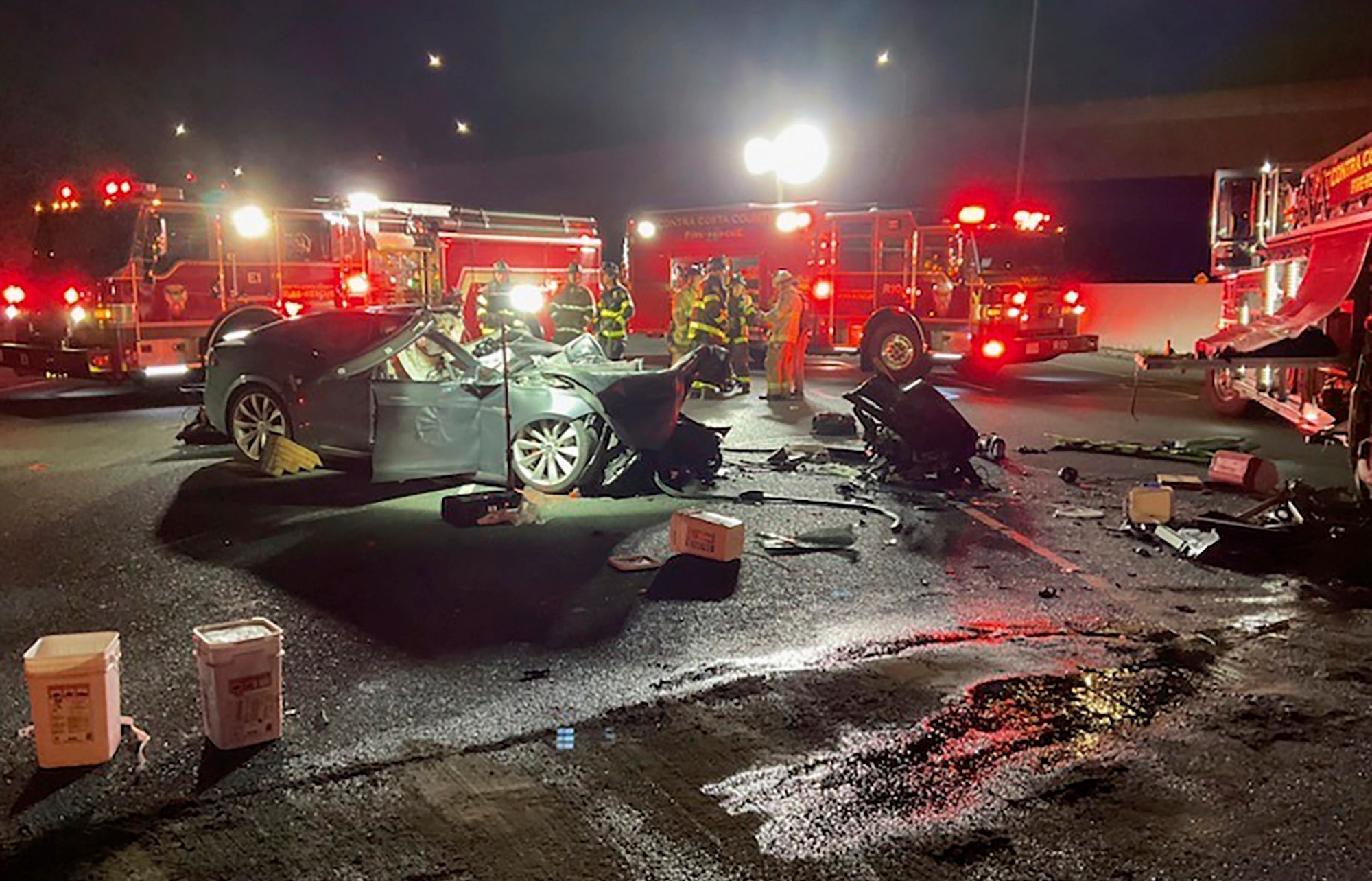
Traffic on the East Coast is always a mess. But today, things took a turn for the worse. If you’ve been stuck in gridlock or saw the flashing lights, you already know there was a fatal accident on US1 today that basically brought everything to a standstill. It’s heavy. It’s frustrating. Most importantly, it’s a reminder of how quickly a normal commute can turn into a life-altering event.
Honestly, US Highway 1 is one of those roads that everyone loves to hate. Stretching from the tip of Maine all the way down to Key West, it’s a lifeline for millions. But that also makes it a magnet for high-speed collisions, pedestrian accidents, and those "how did that even happen?" fender benders. Today’s incident wasn’t just a fender bender.
What Happened During the Fatal Accident on US1 Today?
Details are still trickling in from local law enforcement and first responders. Here is the reality: when a "fatal" tag gets put on a traffic report, the scene becomes a crime scene. That’s why the road stays closed for hours. Investigators have to measure skid marks, check dashcam footage, and wait for the medical examiner.
Early reports suggest that a multi-vehicle collision occurred during the peak of the morning rush. It’s the kind of thing that happens in a split second. Maybe someone was checking a text. Maybe a mechanical failure happened. Or maybe it was just bad luck at a high speed. Whatever the cause, the impact was severe enough that emergency crews couldn't save everyone involved.
It sucks. There's no other way to put it.
When you see those yellow tapes across the lanes of US1, it’s easy to get annoyed about being late for work. We’ve all been there, gripping the steering wheel and checking Google Maps every thirty seconds. But behind those closures is a family getting a phone call they never wanted. It’s a sobering thought that usually puts the twenty-minute delay into perspective pretty quickly.
The Most Dangerous Stretches of US1
You might think all of US1 is equally risky, but that’s not really the case. Data from the National Highway Traffic Safety Administration (NHTSA) consistently points to specific "hot zones."
For instance, the sections running through Florida—specifically near Miami and Fort Lauderdale—are notorious for high fatality rates. Why? It’s a mix of heavy tourist traffic, confusing intersections, and high speeds. Then you have the Northeast corridors, like the stretches through New Jersey and Pennsylvania, where the sheer volume of cars creates a constant pressure cooker environment.
- Intersection design: Many parts of US1 use "stroad" design—a mix of a street and a road. This means you have high-speed traffic right next to people turning into Starbucks or gas stations. It’s a recipe for disaster.
- Pedestrian density: In urban areas, people are constantly trying to cross US1. Often, there aren't enough crosswalks, leading to "jaywalking" that ends in tragedy.
- Speed differentials: You’ll have one person doing 60 mph while someone else is slowing down to 10 mph to find a parking spot. That gap is where most rear-end fatalities happen.
Why Fatalities Are Rising on Major Arteries
It feels like we see these headlines every week now. A fatal accident on US1 today, another on I-95 tomorrow. You’d think with better car technology—lane assist, automatic braking, all that jazz—we’d be safer.
Actually, the opposite seems to be happening.
Distracted driving is the big one. We're all addicted to our phones. Even "hands-free" tech takes your brain away from the road for those crucial three seconds. Then there's the size of the vehicles. SUVs and massive pickup trucks are more popular than ever. While they keep the driver safe, they are devastatingly heavy when they hit a smaller sedan or a person.
The Engineering Problem
We also have to talk about how the road itself is built. Engineers call it "forgiving design," or the lack thereof. If a road is wide and straight, people naturally drive faster, regardless of the posted speed limit. US1 is often built like a highway but functions like a local street. This creates "visual cues" that tell a driver it's okay to go 55 mph, even if there are driveways every fifty feet.
Safety experts like those at Vision Zero Network argue that we need to change the road, not just the drivers. They suggest "road diets"—narrowing lanes or adding roundabouts—to force people to slow down naturally. It’s controversial because it makes traffic slower, but it saves lives.
How to Handle the Aftermath of a Major Crash
If you were a witness to the accident today, or if you find yourself in a similar situation, your brain probably goes into overdrive. Adrenaline is a hell of a drug.
First, if you aren't involved, keep moving. "Rubbernecking" is a major cause of secondary accidents. People slow down to look, the person behind them isn't looking, and suddenly you have a three-car pileup half a mile behind the original crash.
If you are involved or are the first on the scene:
- Call 911 immediately. Don't assume someone else did.
- If it’s safe, move your car to the shoulder. If not, stay buckled in until help arrives.
- Do not try to move an injured person unless there is an immediate threat of fire. You could make a spinal injury much worse.
- Take photos only if it doesn't put you in danger. Documentation is for the insurance companies and the police later.
Legal and Insurance Realities
When a fatal accident occurs, the legal machine starts grinding. It isn't just about who hit whom. Investigators look at "comparative negligence." Did the deceased person have their lights on? Was the other driver speeding by even 5 mph over the limit?
In states like Florida or New York (which US1 passes through), the laws vary wildly. Some are "no-fault" states, which complicates how medical bills are paid out. If you’re ever in a serious wreck on a major road like this, honestly, don't talk to the other person's insurance company without a lawyer. They aren't your friends. They’re looking for a way to minimize the payout.
Actionable Steps for Your Next Trip on US1
Look, nobody gets in their car thinking they won't make it home. But being proactive is literally the only way to tilt the odds in your favor.
Check the apps before you leave.
Don't just rely on your gut. Waze or Google Maps will usually flag a fatal accident on US1 today before you even get to the on-ramp. If the map is deep red, take the side roads. It might take longer, but you avoid the stress of being stuck behind a crime scene investigation.
The Three-Second Rule is real.
On US1, people love to tailgaite. Don't be that person. Give yourself a three-second gap between your bumper and the car in front. If they slam on their brakes because a cat ran out or a light changed, you need that space to react.
Watch the "Death Turns."
Left turns across multiple lanes of US1 are some of the most dangerous maneuvers in driving. If you can, go to a light and make a U-turn instead of trying to "gap it" across three lanes of oncoming traffic. It feels like a chore, but it's much safer.
Update your emergency kit.
If you get stuck behind a major closure like the one today, you could be there for three hours. Do you have water? Is your phone charged? Do you have a basic first-aid kit? It sounds like "prepper" talk until you're sitting on a baking asphalt road in July with no AC because you're low on gas.
Pay attention to the "Vulnerable" users.
US1 is a nightmare for cyclists and pedestrians. If you see someone on the shoulder, give them a wide berth. Most fatal accidents involving pedestrians happen because a driver "just didn't see them" until it was too late.
The tragic news of a fatal accident on US1 today is a reminder that the "routine" of driving is actually the most dangerous thing most of us do every day. Stay alert, put the phone in the glovebox, and just get there safely. The email can wait. The text can wait. Everything can wait.
Immediate Safety Checklist:
- Verify your route: Use real-time GPS to identify closures and detours.
- Inspect your tires: Blowouts at high speeds on US1 are a major fatality factor.
- Adjust for weather: Even a light rain makes the oil on US1 slick as ice.
- Know the "move over" laws: If you see emergency lights, you are legally required to move over one lane or slow down significantly. Failing to do this causes dozens of first-responder deaths every year.