Finding a place to crash for a few weeks shouldn't feel like a high-stakes negotiation, yet here we are. You're likely staring at a screen, comparing price tags that look more like monthly mortgage payments than a simple room rate. It's frustrating. Most people treat weekly extended stay hotels like a standard hotel booking—jumping on Expedia, picking the first shiny photo, and hitting "reserve." That is exactly how you lose money.
Honestly, the "extended stay" industry is a weird hybrid. It isn't quite a hotel, and it isn't quite an apartment. It lives in this grey area of hospitality that rewards the savvy and punishes the impulsive. If you’re transitioning between homes, traveling for a project, or just need a temporary base camp, you have to change your mindset. You aren't a guest. You're a short-term resident.
The Dirty Secret of the "Best Available Rate"
Hotels love the "Best Available Rate" (BAR). It sounds official. It sounds final. It’s usually a rip-off for anyone staying longer than three nights. When you look at weekly extended stay hotels, the algorithm is often trying to hedge its bets against weekend spikes.
Here is the thing.
If you book seven days individually, you’re paying for the convenience of the hotel’s flexibility. If you book a "weekly rate," you are providing the hotel with something they crave: guaranteed occupancy. Empty rooms are the enemy of any General Manager (GM). A room sitting vacant for a Tuesday and Wednesday costs them more in lost potential than the discount they’d give you for a full week.
Brands like WoodSpring Suites or Candlewood Suites basically built their entire business model on this. They strip away the fluff—no daily housekeeping, no free tiny shampoos every morning, no fancy lobby fountain. In exchange, the price drops. But even then, the price you see on the website isn't always the floor. I've seen travelers save an extra 10% or 15% just by calling the property directly and asking for the "on-site manager’s rate" for a multi-week stay. Corporate call centers can’t give you that. The person sitting behind the desk in the actual building can.
Kitchens, Taxes, and the 30-Day Magic Number
We need to talk about the "hidden" cost of not having a stove.
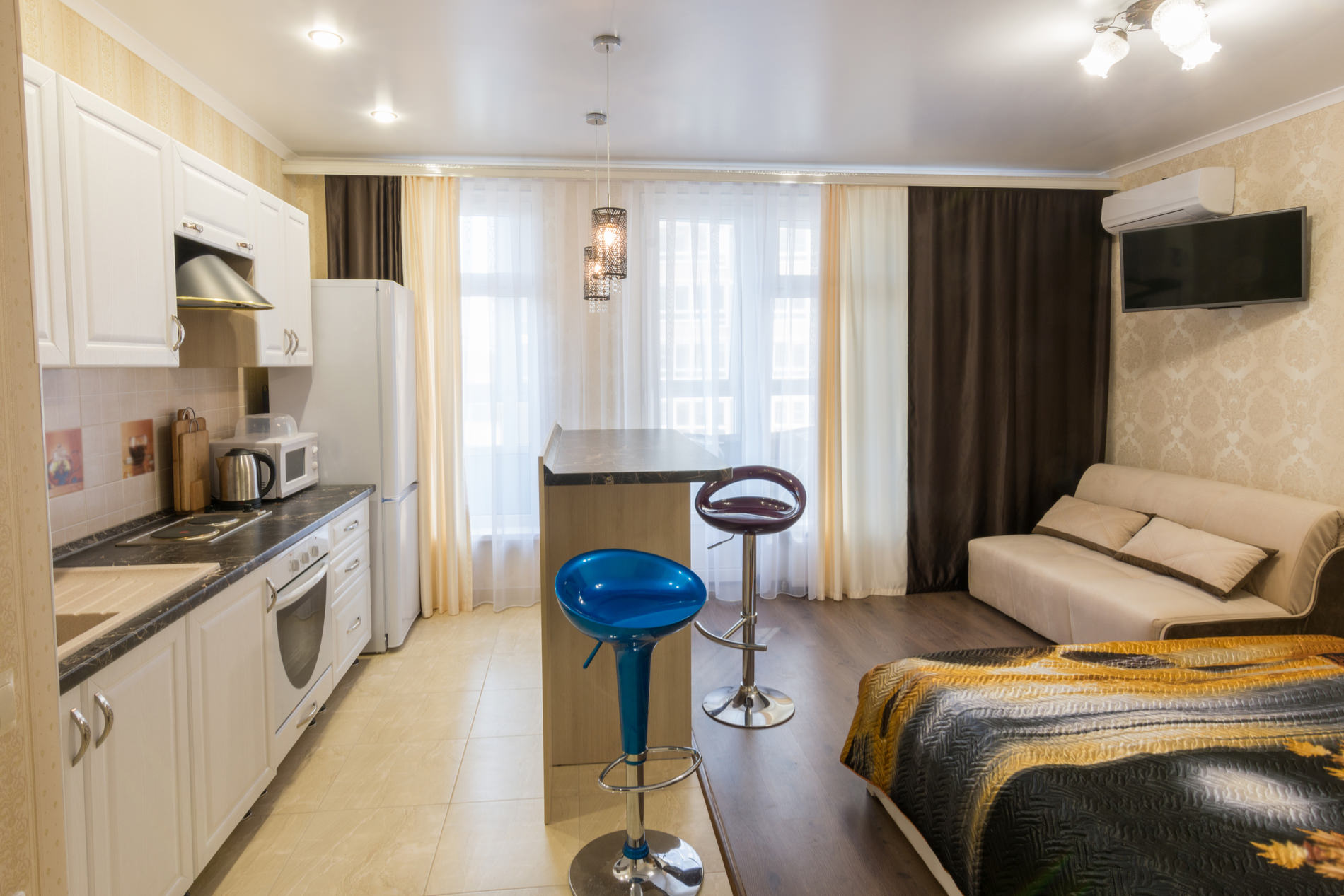
Eating out for seven days straight is a financial disaster. It also makes you feel like garbage. Most true weekly extended stay hotels include a kitchenette. This is non-negotiable. If it doesn't have at least a two-burner stove and a full-sized fridge, it's just a hotel room with a microwave. You'll spend an extra $200 a week on DoorDash and mediocre takeout.
Then there's the tax situation. This varies wildly by state, but it is a massive factor in your total bill.
In many US jurisdictions, once you hit the 30-day mark, you are often legally considered a "resident" rather than a "transient guest." Why does this matter? Because the hotel occupancy tax—which can be anywhere from 10% to 18%—suddenly disappears. In places like Texas or Florida, if you stay for 31 days, you can often get a refund for the taxes paid during the first 30 days, or simply stop paying them from day 31 onward. It makes the 30th night cheaper than the 20th. People frequently move out on day 28 because they’re tired of the room, unwittingly leaving a few hundred dollars of tax savings on the table.
What actually defines a "Good" extended stay?
- Reliable Wi-Fi: Not the "shared with 200 people" kind. You need to ask if they have dedicated bandwidth for long-termers.
- Laundry Facilities: If they charge $5 per load, keep moving. Look for places with guest-only laundry rooms that are well-maintained.
- Mail Handling: Can you get an Amazon package delivered? Some budget spots are weirdly prickly about this.
- Pet Policies: "Pet friendly" often means "we charge a $150 non-refundable fee." For a week, that's brutal. For a month, it's manageable.
The Mid-Tier Trap
There is a specific type of traveler who gets caught in the mid-tier trap. You know the ones—the brands that offer a free hot breakfast of rubbery eggs and "social hours" on Wednesday nights with cheap wine.
Residence Inn and Homewood Suites are great. They really are. But they are priced for corporate travelers with expense accounts. If the money is coming out of your own pocket, you’re paying a premium for a social experience you might not even use. You're paying for the brand's overhead and the loyalty points.
If you’re footing the bill yourself, look at the "Tier 2" extended stays. Think Extended Stay America (the Premier version is actually decent), My Place Hotels, or even independent "Apart-hotels." You get the same square footage and the same fridge for about 40% less. You just have to buy your own eggs.
Safety and the "Vibe" Check
Let’s be real. Some weekly extended stay hotels can feel a bit... sketchy. Because they offer lower barriers to entry than an apartment (no credit check, no massive security deposit), they can attract a transient crowd.
Don't rely on the professional photos. They are lies.
Instead, look at the most recent Google Maps reviews from the last 30 days. Don't look at the stars; look at the mentions of "noise," "parking lot safety," and "staff responsiveness." Better yet, drive through the parking lot at 9:00 PM before you commit. Are people loitering? Is the lighting good? If you're staying somewhere for a week or more, your peace of mind is worth the extra $50.
Negotiation is a Lost Art
I mentioned calling the GM earlier, but let’s go deeper.
The hospitality industry is currently grappling with fluctuating demand. If you show up on a Sunday afternoon when the hotel is half-empty and tell the front desk you’re looking for a 14-day stay, you have leverage. You are a "clean" booking. You aren't a one-night party-goer. You aren't a "no-show" risk.
Ask for a "long-term stay discount" specifically. Use those words. If they won't budge on the price, ask for an upgrade to a suite at the lower rate. Or ask them to waive the pet fee or the parking fee. Everything is a variable.
Actionable Steps for Your Next Booking
Stop clicking "Book Now" on the first site you see. Follow this sequence instead.
First, identify three properties in your target area that have full kitchenettes. Read the reviews specifically for "cleanliness" and "Wi-Fi speed." These are the two things that will ruin your life if they are sub-par.
Second, check the price on a major aggregator like Booking.com or Hotels.com. This is your "ceiling" price. You should never pay more than this.
Third, call the property directly during business hours (10 AM to 3 PM is usually best). Ask to speak with the Director of Sales or the General Manager. Tell them you are looking for a weekly or monthly rate and ask if they have any "unlisted corporate rates" or "manager specials" for long-term stays.
Fourth, clarify the housekeeping schedule. Many weekly extended stay hotels only clean once a week. If you need it more often, that’s an extra fee. If you're okay with doing it yourself, use that as a bargaining chip to lower the rate.
Finally, verify the tax-exempt status if you're staying over 30 days. Get it in writing or in an email. Don't wait until the end of the month to find out they "don't do that here."
Moving into a temporary space is stressful enough without overpaying for a room that doesn't even have a place to boil pasta. Do the legwork upfront, skip the "luxury" breakfast buffet, and keep your money in your own pocket.