If you’ve been following the news lately, you know the music world hasn't been the same since the federal government set its sights on Sean "Diddy" Combs. For decades, the name was synonymous with "Bad Boy" hits, white parties, and a level of luxury that felt untouchable. But the last couple of years? Honestly, it’s been a total tailspin.
Basically, the era of Diddy being the king of hip-hop came to a screeching halt in a Manhattan courtroom. It wasn't just some minor legal scuffle. It was a full-blown federal trial that ended with a prison sentence that effectively closed the book on his public life.
The Verdict That Shocked the Industry
A lot of people think he got away with it, or they think he’s gone for life. Neither is quite true.
On July 2, 2025, after a grueling seven-week trial, a federal jury in New York reached a split verdict. It was high-stakes drama. Diddy was actually acquitted of the most heavy-hitting charges: racketeering conspiracy and sex trafficking. These were the ones that could have put him behind bars for the rest of his natural life. When those "not guilty" counts were read, he reportedly dropped to his knees in the courtroom and prayed.
But the win was short-lived.
The jury found him guilty on two counts of transportation for the purposes of prostitution under the Mann Act. This wasn't a slap on the wrist. On October 3, 2025, Judge Arun Subramanian sentenced Combs to four years and two months in federal prison. He was also slapped with a $500,000 fine and five years of supervised release.
Where is he now?
Right now, he's serving that time. Just recently, in January 2026, he even tried to ask for a presidential pardon from Donald Trump. It didn't go well. The President made it pretty clear he isn't planning on granting clemency to the hip-hop star.
How It All Came Crashing Down
It’s hard to remember now, but this all started with one single, explosive lawsuit. In November 2023, his former longtime girlfriend, Casandra "Cassie" Ventura, filed a civil suit accusing him of years of physical and sexual abuse.
She described something called "freak-offs."
These were reportedly drug-fueled, days-long sexual marathons that she claimed Combs orchestrated and filmed. While they settled that specific lawsuit in just 24 hours for a rumored $20 million, the damage was done. It opened the floodgates.
The Raid and the Indictment
Fast forward to March 2024. Federal agents from Homeland Security raided his mansions in Los Angeles and Miami. They weren't just looking for papers. They seized:
- Electronic devices (phones, laptops, hard drives).
- Narcotics like ketamine and ecstasy.
- Weapons, including three illegally modified AR-15s.
- More than 1,000 bottles of baby oil and lubricant.
By September 2024, he was in handcuffs in a Manhattan hotel, facing a three-count indictment that would eventually grow to five counts by the time trial rolled around.
The Evidence vs. The Defense
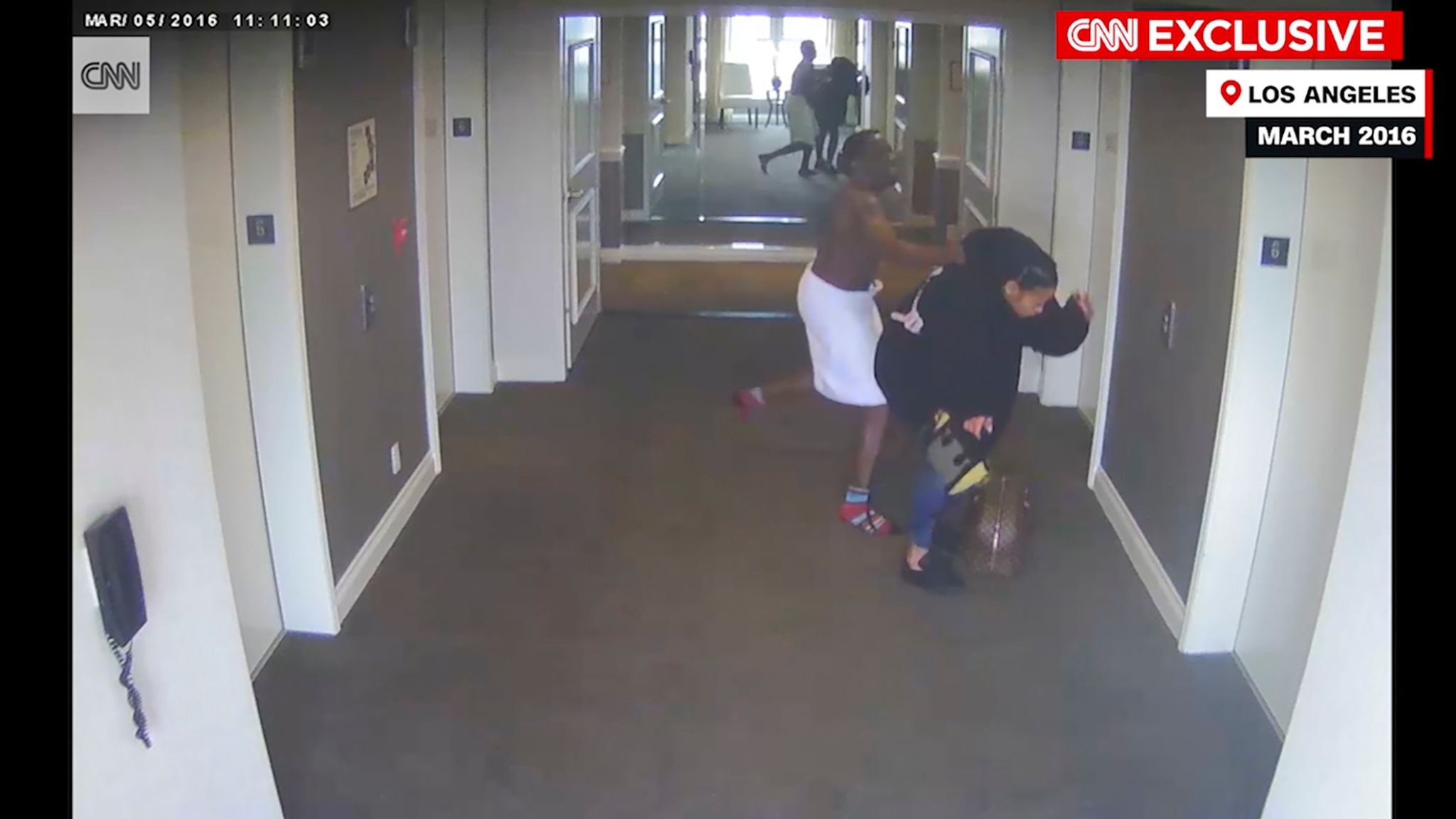
The trial was messy. The prosecution brought in 34 witnesses, including Cassie herself and other former partners. They showed the jury that 2016 surveillance video of Combs assaulting Cassie in a hotel hallway—evidence he had previously denied existed.
The government’s case was that Diddy used his empire to create a "criminal enterprise." They argued his staff were essentially enablers who booked the hotels, bought the drugs, and cleaned up the "freak-off" rooms.
The defense, led by Marc Agnifilo, took a risky path. They didn't deny the wild lifestyle. Instead, they argued that while the relationships were "toxic" and Diddy had a "temper," everything was consensual. They basically called the whole thing a "money grab" by people looking for a payday.
It sort of worked. The jury wasn't convinced that his business was a formal "racketeering enterprise," which is a very high legal bar to clear. But they couldn't ignore the fact that he was moving people across state lines for sexual purposes. That's a federal crime, period.
The Lingering Civil Storm
Even though the criminal trial is over, Diddy's legal nightmare isn't. As of early 2026, there are over 70 civil complaints still floating around.
Tony Buzbee, a high-profile attorney from Texas, is representing more than 100 people who claim they were victims of Combs. These cases are separate from the prison sentence. They deal with allegations of sexual assault, drugging, and even allegations involving minors.
The most surprising part? Other big names keep getting dragged into the conversation. Lawsuits have mentioned figures like Jay-Z (though some claims were later dropped) and Cuba Gooding Jr. It’s turned the entire music industry on its head, forcing a lot of people to look back at those "legendary" parties with a much darker perspective.
What Most People Get Wrong
People often ask why he only got four years if he was "guilty."
Legal nuance matters here. He was acquitted of the "trafficking" that involves force or fraud—the jury didn't feel the prosecution proved the women were forced into it in a way that met the specific legal definition of the most serious counts. However, transporting people for the purpose of "prostitution" (which the law defines broadly in these federal cases) is much easier to prove.
It's a "split verdict" for a reason. Both sides could technically claim a partial victory, but for a man who used to run the world, a federal prison cell is a definitive loss.
Actionable Takeaways
Watching this saga unfold can be overwhelming, but there are a few things to keep in mind regarding how these types of cases work:
- Understand the Mann Act: This 100-year-old law is the government's favorite tool when they can't make a sex trafficking charge stick. It's about moving people across state lines for any "immoral purpose," which is a wide net.
- The "Adult Survivors Act" Window: Many of the civil suits were only possible because New York briefly opened a window for people to sue over old abuse, even if the statute of limitations had passed.
- Legacy is Fragile: Business-wise, the Sean John brand and Bad Boy Records are essentially toxic assets now. It’s a reminder of how quickly a multibillion-dollar brand can vanish when the legal system catches up.
The "Diddy" era is over. Whether he manages to rebuild any semblance of a life after his release in a few years remains to be seen, but the music industry he once dominated has already moved on.