The credits roll on the sun-drenched shores of Corfu, and the screen fades to black. We’ve watched the fictionalized versions of Louisa, Larry, Leslie, Margo, and Gerry navigate the 1930s with a mix of eccentric charm and constant chaos. But life isn't a scripted ITV drama. When the real Durrells fled the looming shadow of World War II in 1939, they didn't just sail back into a tidy British sunset. They walked straight into a world on fire. Honestly, the reality of what the Durrells did next is far grittier, stranger, and more impressive than the "happily ever after" many fans imagine.
They were scattered. War does that. While the television series paints a picture of a family that always sticks together, the late 1930s saw them splintering across continents.
The Reality of Leaving the Garden of the Gods
Leaving Corfu wasn't a choice; it was a desperate necessity. As the Nazis began their sweep through Europe, the idyllic life of catching tortoises and drinking local wine became impossible. Louisa Durrell, the matriarch who had managed to keep her brood somewhat sane in a foreign land, found herself back in England. It was cold. It was grey. It was everything they had tried to escape years earlier.
Louisa’s transition wasn't easy. She struggled with the damp British weather and the stifling social norms of the time. Imagine going from a villa overlooking the Ionian Sea to a modest house in Bournemouth while air-raid sirens blared. It was a jarring shift that took a toll on her spirit. She remained the anchor of the family, but the anchor was dragging across a very rocky seabed.
Lawrence Durrell: The Literary Giant in Exile
Larry—the real Lawrence Durrell—didn't go back to Bournemouth with his mother. He couldn't. He was already a nomad. By the time the war intensified, Lawrence was in Egypt, working for the British Foreign Office as a press attaché. This wasn't some boring desk job. He was in Alexandria, a city pulsing with intrigue, spies, and a crumbling colonial grandeur.
This period was the crucible for his greatest work, The Alexandria Quartet. If you’ve only seen the show, you might think of Larry as just a grumpy aspiring writer. In reality, he became one of the most celebrated and controversial literary figures of the 20th century. His life in Egypt was a whirlwind of complex relationships and high-stakes diplomacy. He married several times—four, to be exact—and his personal life was often as turbulent as his prose. He eventually settled in Provence, France, where he lived out his days as a literary lion, often visited by famous friends like Henry Miller. He never really "went home" because, for Lawrence, home was a moving target.
Gerald Durrell: From Corfu Pets to a Global Legacy
Most of us know what the Durrells did next through the lens of Gerald’s later success, but his path wasn't a straight line. When he returned to England as a teenager, he was a boy with no formal education and a "failed" academic record. He worked at Whipsnade Zoo as a student keeper—essentially a "boy-of-all-work"—cleaning out cages and learning the dirty, unglamorous side of animal husbandry.
It was grueling.
But Gerry had a vision that was decades ahead of his time. While most zoos in the 1940s and 50s were essentially Victorian stamp collections of living creatures, Gerry wanted to save species from extinction. He started organizing animal-collecting expeditions to British Guiana, Paraguay, and Sierra Leone. He wasn't just catching animals to show them off; he was building a gene pool.
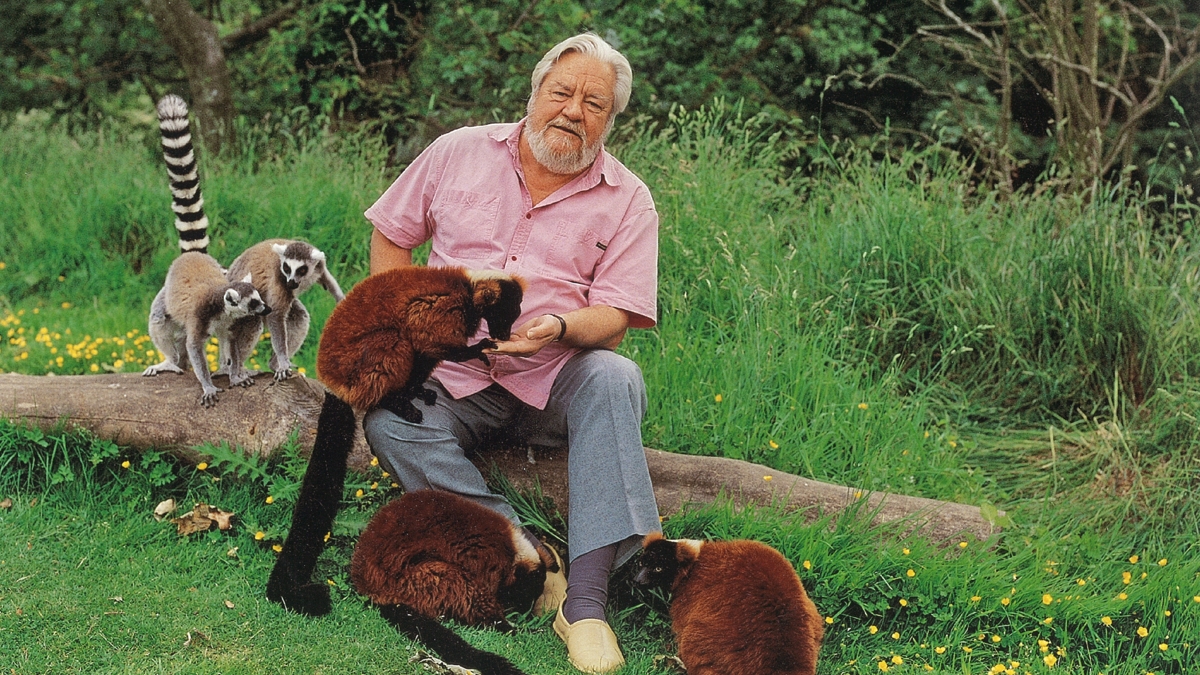
This obsession eventually led to the founding of the Jersey Zoological Park (now the Durrell Wildlife Conservation Trust) in 1959. He had to battle the "establishment" every step of the way. They thought he was a crank. A man who wanted to save "little brown jobs"—the unremarkable-looking endangered species—rather than just the lions and tigers that brought in the crowds. He turned his childhood adventures into the best-selling book My Family and Other Animals largely to fund his zoo. He became a reluctant celebrity to serve his animals.
Margo and Leslie: The Quiet and the Quirky
Margo Durrell is often sidelined in the family history, but her post-Corfu life was arguably the most adventurous in a "normal" sense. She briefly returned to Greece, fell in love with a British Royal Air Force pilot, and ended up living in Africa for a time. Later, she ran a boarding house in Bournemouth. Imagine being a guest there—the walls covered in Gerald’s sketches and the air filled with the echoes of Larry’s loud opinions. She even wrote her own memoir, Whatever Happened to Margo?, which sat in an attic for decades before being discovered and published. It’s a hilarious, self-deprecating look at a woman trying to find her own identity in a family of "geniuses."
Then there’s Leslie. Leslie is the hardest Durrell to pin down. In the TV show, he’s the gun-obsessed middle brother. In real life, his path was a bit more tragic and less settled. He tried his hand at various ventures—farming in Kenya, running a grocery business—but nothing quite stuck. He spent a significant amount of time living with his mother, Louisa, and struggled to find the same level of professional success as his brothers. He eventually moved to Marble Arch in London and worked as a hotel concierge. He died in 1982, a man who had seen the heights of Corfu’s beauty but spent much of his later life in the shadows of his siblings' fame.
The Greek Connection That Never Quite Severed
The family's relationship with Theodore Stephanides—the polymath who taught Gerry about biology—continued long after they left the island. Theodore moved to London during the war and remained a close friend to the entire family. He was the quiet mentor who bridged the gap between their Greek past and their English present.
Interestingly, many people don't realize that the Durrells almost went back. There were several points where they considered buying another property in Greece, but the Greek Civil War and the changing political landscape made it difficult. The Corfu they knew—the one without electricity, filled with peasants who treated them like eccentric royalty—was gone.
Common Misconceptions About the Post-Corfu Years
- They stayed rich: Far from it. The family often struggled for money. Gerald’s expeditions were frequently funded by loans and the skin of his teeth.
- They were always close: While they loved each other, the brothers often fought bitterly. Lawrence and Gerald had a complex relationship, marked by mutual admiration and a healthy dose of sibling rivalry.
- The Mother was a pushover: Louisa Durrell was incredibly resilient. Navigating the deaths of her husband and later dealing with the eccentricities of four adult children during a world war required a spine of steel.
Why the Post-Corfu Story Matters Today
Understanding what the Durrells did next changes how you view their time on the island. It wasn't just a holiday; it was a formative isolation that created a world-renowned novelist and the father of modern conservation. They took the "wildness" of Corfu and injected it into the stagnant culture of post-war Britain.
Gerald’s work, in particular, has changed the way we approach ecology. Every time you hear about a "captive breeding program" for an endangered species, you’re hearing the echo of Gerald Durrell’s work in the 1960s. He shifted the focus from "human entertainment" to "animal survival."
Actionable Insights for Durrell Enthusiasts
If you want to dive deeper into the real lives of this family, don't just stop at the TV show. The reality is much richer.
- Read the "Other" Memoirs: Pick up Margo Durrell’s Whatever Happened to Margo? and Lawrence Durrell’s Prospero’s Cell. They offer a completely different perspective on the same events.
- Visit the Jersey Zoo: It’s not a typical zoo. It’s a living laboratory for conservation. You can see the actual headquarters of the trust Gerald built.
- Explore the Alexandria Quartet: If you want to see the "darker" side of Lawrence Durrell’s genius, his Egyptian novels are a must-read, though they are a far cry from the lighthearted tone of the television series.
- Research the Durrell Wildlife Conservation Trust: Look into their current projects. They are still doing the work Gerald started, protecting species in Madagascar, Mauritius, and beyond.
The story of the Durrells didn't end in 1939. It simply moved to a larger stage. They were a family of refugees who became icons, proving that a little bit of Corfu madness can actually change the world.