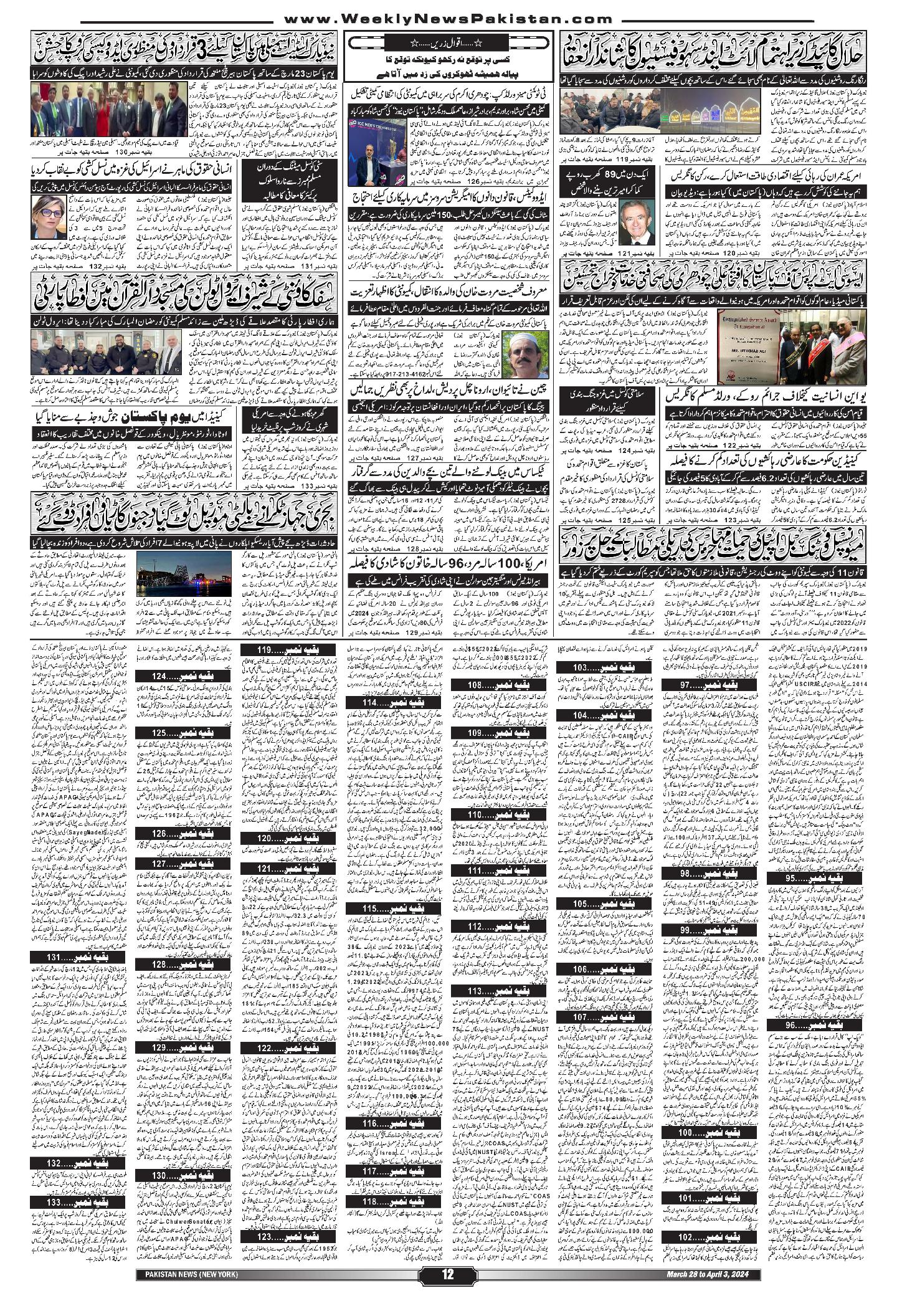
You’d think the physical newspaper in Pakistan would be dead by now. Walk into any tea stall in Saddar, Rawalpindi, or a posh cafe in Gulberg, Lahore, and you’ll see the same thing: people glued to their phones, scrolling through TikTok or X (formerly Twitter). The digital wave hit Pakistan hard. Yet, every morning, millions of crisp, ink-scented broadsheets still land on doorsteps from Karachi to Peshawar. It’s a weird paradox. In a country where 4G is everywhere, the printed word hasn't quite given up the ghost.
Honestly, the newspaper in Pakistan is more than just a source of information; it's a political institution.
If you’ve ever lived in a Pakistani household, you know the ritual. The "Akhbar Wala" tosses the paper over the gate around 6:30 AM. For the older generation, if the paper is late, the day doesn't start. They don't trust the frantic, clickbaity headlines of "Breaking News" on TV or the unverified WhatsApp forwards that trigger most national panics. There is a perceived weight to the printed word. If Dawn or Jang says it, it’s basically law. That’s the kind of authority digital platforms are still struggling to replicate in a landscape rife with fake news.
The Giants: Dawn, Jang, and the Power of the Urdu Press
To understand the newspaper in Pakistan, you have to talk about the "Big Two."
First, there’s Dawn. Founded by Quaid-e-Azam Muhammad Ali Jinnah himself, it carries a legacy that no other outlet can touch. It’s the paper of the elite, the diplomats, and the academics. Its English is precise, its editorials are often biting, and its "Prism" section offers some of the best long-form analysis in the region. If you want to know what the "establishment" or the international community is thinking, you read Dawn.
Then there’s the Jang Group. If Dawn is the scalpel, Jang is the megaphone.
Mir Khalil-ur-Rahman started Jang during World War II, and it eventually became the largest Urdu newspaper in Pakistan. It is the pulse of the middle class. While English papers have prestige, Urdu newspapers have the numbers. Advertisers know this. The Sunday classifieds in Jang used to be—and in many ways still are—the country’s biggest job and marriage market. You’ve got The Express Tribune too, which brought a modern, Western-style aesthetic to Pakistani journalism, though it has pivoted heavily toward its digital presence in recent years to survive.
Why Print Persists Despite the Internet
Pakistan’s literacy rate is roughly 60%, and while that sounds like an argument against print, the reality is more nuanced. In many rural areas, internet connectivity is spotty. Power outages—the dreaded "load shedding"—make digital consumption unreliable. A newspaper doesn't need a battery. It doesn't need a signal.
- The Credibility Factor: In an era of "Deepfakes" and AI-generated propaganda, the editorial process of a newspaper provides a layer of vetting. A journalist writes, a sub-editor checks, and an editor approves. It’s slow, sure, but it’s usually more accurate than a "Verified" account on X.
- The Ad Revenue Trap: For a long time, the Government of Pakistan was the biggest advertiser. By controlling who got "Government Ads," they basically controlled the survival of the paper. This led to a culture where papers had to stay relevant to stay funded.
- The Ritual: Culture changes slowly. The "morning chai and paper" combo is a lifestyle choice that hasn't been fully replaced by the "morning coffee and iPad" routine.
The Dark Side: Censorship and the "Unseen" Pressure
It isn't all morning tea and intellectual debate. Being a newspaper in Pakistan is incredibly dangerous. The Committee to Protect Journalists (CPJ) and Reporters Without Borders (RSF) have consistently flagged Pakistan as a high-risk zone.
There is a term people use: "The Thin Red Line."
Journalists know there are certain topics you just don't touch. Or if you do, you tread very, very carefully. Criticism of the military, certain religious sensitivities, and high-level corruption cases can lead to "disruptions" in distribution. You’ll hear stories of newspapers being confiscated or blocked in certain cantonment areas or specific provinces. It’s a silent war. This pressure has led to a rise in self-censorship. Sometimes what isn't written in the newspaper is more important than what is.
The Economic Crisis and the Paper Shortage
The last few years have been brutal. The devaluation of the Pakistani Rupee made importing newsprint (the actual paper) incredibly expensive. Many smaller regional papers just folded. Even the big ones had to slash their page counts.
You might have noticed your favorite Sunday magazine getting thinner. That’s not a lack of content; it's the cost of paper. Many journalists haven't been paid on time, leading to protests and a brain drain where the best writers are moving to international outlets or starting their own Substack newsletters and YouTube channels.
Actually, the shift to "Digital First" isn't a choice anymore; it’s a survival tactic. The News International and The Nation have massive digital footprints now, often reaching more people in an hour via their websites than they do all day through physical sales.
Regional Voices: More Than Just Karachi and Lahore
We often forget the regional press. Daily Kawish (Sindhi) or Mashriq (Pashto) have immense influence in their respective provinces. For a resident of Sukkur or Mardan, these papers are more relevant than a Karachi-centric English daily. They cover local water disputes, tribal politics, and regional poetry—stuff that the "National" papers often ignore. These regional outlets are the backbone of provincial identity.
What People Get Wrong About the Future of Print
The most common misconception is that the newspaper in Pakistan will disappear by 2030.
I don't think so.
Look at India or Brazil. In developing economies, print often has a longer tail than in the West. As literacy increases, people who were previously "information-dark" often graduate to newspapers before they become full-time digital consumers. There is a prestige in being seen reading a paper. It says you are "Baa-khabar" (informed).
However, the business model is broken. The old way of relying on government ads is dying as the state moves its budget to social media influencers. Newspapers are now forced to innovate. Some are trying subscription models (paywalls), though Pakistanis are notoriously reluctant to pay for online content. Others are turning into "media houses" that produce video, podcasts, and events.
Real-World Impact: When Print Changed History
Think back to the Lawyers' Movement in 2007. While TV channels were being pulled off the air by the Musharraf regime, the newspapers kept the fire alive. The photographs of bloodied lawyers on the front pages of the next morning's papers galvanized the country. Digital content is ephemeral—you scroll past it. But a physical photo on a front page stays on the table all day. It haunts you. That is the power the newspaper in Pakistan still holds.
How to Consume News Effectively in Pakistan Today
If you're trying to stay informed without getting lost in the noise, you need a strategy. Don't just rely on one source.
- Read the Editorials: Don't just skim the headlines. The "Opinion" pages of Dawn or The Express Tribune give you the why behind the what.
- Check the Urdu Press: If you can read Urdu, check Jang or Express to see how the majority of the country is perceiving an issue. The framing is often wildly different from the English press.
- Verify on Social Media, Confirm in Print: Use X for the speed, but wait for the newspaper’s "Correction" or "Detailed Report" the next day before forming a final opinion.
The newspaper in Pakistan is currently in a state of reinvention. It's grittier, leaner, and under more pressure than ever. But it remains the only thing standing between a reasonably informed public and the chaotic "wild west" of the unmoderated internet.
Actionable Insights for Navigating Pakistani Media
To get the most out of the current media landscape, follow these steps:
- Compare Headlines: Spend five minutes comparing how a major event (like a budget announcement or an election) is covered by Dawn (liberal/centrist) versus an Urdu daily like Nawa-i-Waqt (conservative/nationalist). The gap in perspective is where the truth usually hides.
- Support Independent Journalism: If you find a journalist or a smaller paper doing "real" investigative work—the kind that gets them in trouble—consider subscribing to their digital edition. Print's survival depends on moving away from government subsidies and toward reader support.
- Use Digital Archives: Most major Pakistani newspapers have digitized their archives. If you’re a student or researcher, using the "Search" function on these sites is a goldmine for understanding the historical context of current disputes, like the Kalabagh Dam or the 18th Amendment.
- Fact-Check Through Omission: If a massive event is happening on social media but is completely absent from the physical newspaper the next day, that's a signal. It usually points to a "Press Advice" (censorship) or a legal gag order. That silence tells its own story.
The ink might get lighter and the pages might get fewer, but the newspaper in Pakistan isn't going anywhere just yet. It’s just finding a new way to be the "conscience of the nation" in a very loud, very digital world.