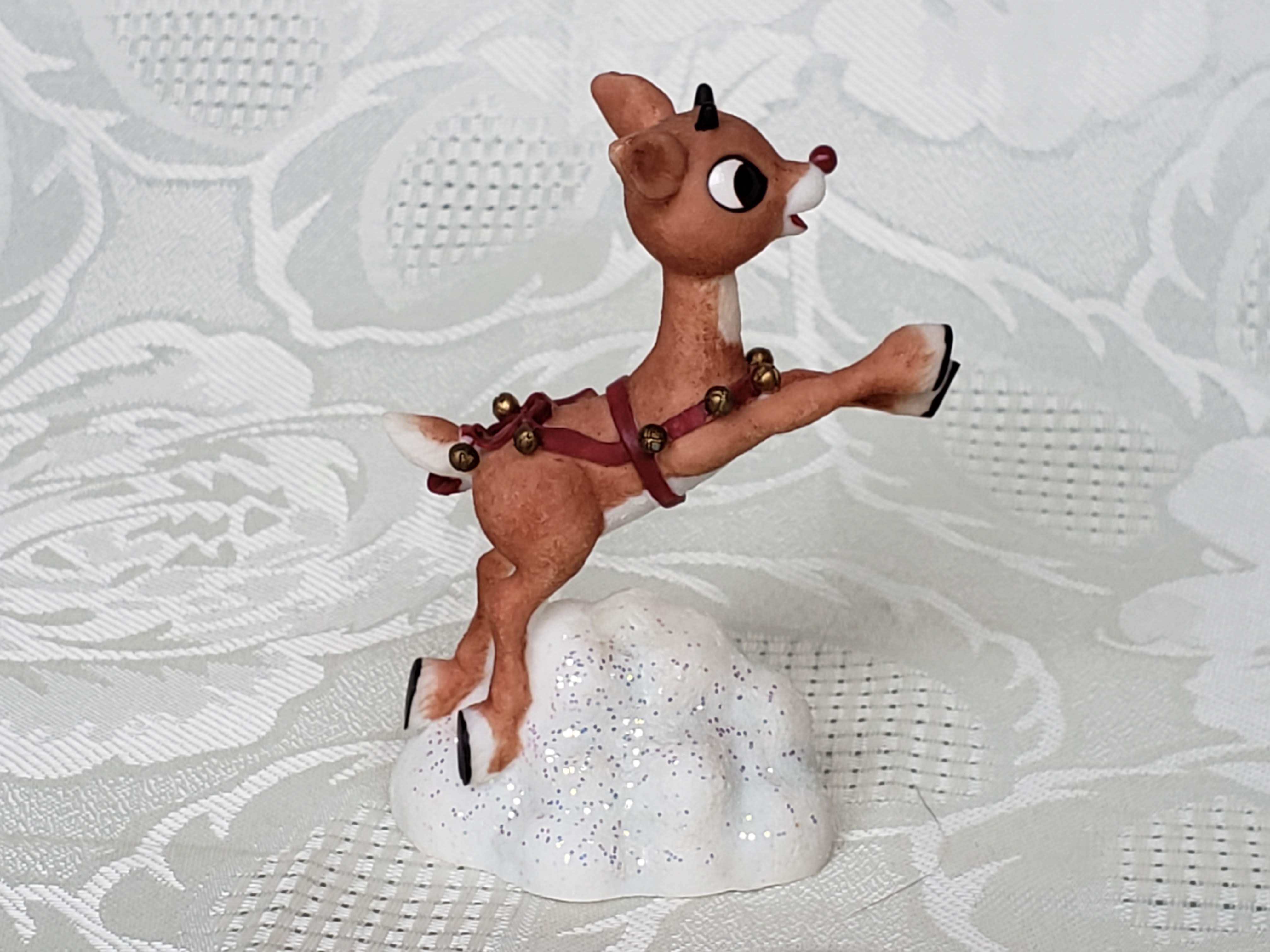
It is Christmas Eve in 1964. Families across America are huddled around their bulky, wood-paneled television sets, waiting for a stop-motion reindeer with a glowing nose to save the day. But when the Rudolph Island Misfit Toys first appeared on screen, nobody expected them to become the ultimate cultural icons of "not fitting in." It was weird. It was groundbreaking. Honestly, it was kind of heartbreaking.
We all remember the King Moonracer, that giant winged lion who spent his nights scouring the earth for toys that didn't work right. It sounds like a fever dream when you say it out loud. Yet, the Island of Misfit Toys became the emotional heartbeat of the entire Rankin/Bass special. It wasn’t just a pit stop on Rudolph’s journey; it was a statement on worth.
The Toys That Broke the Mold
When we talk about the Rudolph Island Misfit Toys, people usually jump straight to the Charlie-in-the-Box. He’s the most famous one, right? His name is Charlie, not Jack. That’s his whole "defect." It feels a bit minor compared to some of the others, but for a kid in the sixties, the idea that a name could make you a social outcast was a heavy concept.
Then you’ve got the Spotted Elephant. He’s just a polka-dotted pachyderm, but in the rigid world of Santa’s Workshop, he’s a manufacturing error. There’s the train with square wheels on his caboose. There’s the water pistol that shoots jelly. And don't forget the bird that swims instead of flying.
Wait.
Think about that for a second. A bird that swims is basically just a penguin or a puffin. In the context of the show, though, it was a failure. It’s this specific kind of absurdity that makes the island feel so real. It’s a place for things that are perfectly fine but don't meet an arbitrary standard of "correctness."
The Controversy You Probably Forgot
Believe it or not, the original 1964 airing had a massive plot hole.
In the first version, Rudolph and his friends promise to come back and help the toys, but they never actually do. Santa just flies away into the night. Viewers were legitimately upset. Kids actually wrote letters to Rankin/Bass, complaining that the Rudolph Island Misfit Toys were left behind to rot in the cold. People were devastated for these fictional pieces of felt and clay.
Because of the outcry, the producers had to go back in and animate a new ending for the 1965 broadcast. That’s the version we see today—the one where the toys are finally picked up by Santa’s sleigh and delivered to children who will love them. It changed everything. It turned a story about abandonment into a story about redemption.
The "Misfit" label stuck. It became a badge of honor.
Why We Still Care About These Plastic Outcasts
There is something deeply human about a toy that thinks it’s broken.
When Arthur Rankin Jr. and Jules Bass sat down with writer Romeo Muller, they weren't just making a commercial for GE. They were tapping into a post-war anxiety about conformity. If you weren’t a "standard" toy, you were sent to a frozen rock in the middle of the ocean.
That hits home.
Whether you’re a kid who doesn't like sports or an adult who feels like they’re in the wrong career, the island is a metaphor that hasn't aged a day. We’re all kind of misfits. The Rudolph Island Misfit Toys taught us that the "defect" is often just a unique feature that hasn't found the right home yet.
Take the Dolly for Sue. For years, fans debated why she was even on the island. She looks perfectly normal. No square wheels. No jelly-shooting parts. Eventually, it was revealed that her "malfunction" was psychological—she had a broken heart because she was unloved. That is incredibly dark for a children’s special. But it’s also why the show has legs. It doesn't shy away from the fact that being left out hurts.
Behind the Scenes: Animating the Misfits
The actual process of bringing these characters to life was a nightmare.
The puppets were made of wood, wire, and wool. They were tiny. The "Animagic" process required 24 frames for every single second of film. If an animator bumped the table, the whole shot was ruined.
The voice acting was equally iconic. Stan Francis voiced King Moonracer with a booming, regal authority that made the island feel like a legitimate kingdom rather than a junkyard. And then there’s the music. Johnny Marks, who wrote the original song "Rudolph the Red-Nosed Reindeer," wasn't sure about the island concept at first. But the song "The Most Wonderful Day of the Year" ended up being one of the most covered tracks in the Rankin/Bass library.
What Most People Get Wrong About the Island
People think the island is a sad place. It’s actually the opposite.
King Moonracer didn't keep them there as prisoners; he kept them there as a sanctuary. It’s a community of peers. When Rudolph, Hermey, and Yukon Cornelius arrive, they find a society that functions perfectly well without "normal" people.
The real tragedy isn't the island itself; it’s the world that rejected them in the first place.
If you look at the Rudolph Island Misfit Toys through a modern lens, they represent the ultimate grassroots movement. They demanded to be seen. They didn't change themselves to fit Santa’s sleigh; Santa had to change his route to pick them up. That’s a subtle but massive distinction. It’s about the system adapting to the individual, not the other way around.
The Legacy of the Misfit Brand
Today, the term "Misfit Toy" is everywhere. It’s used in business to describe overlooked assets. It’s used in sports to describe a team of castoffs.
But the original toys remain the gold standard.
The puppets themselves have a wild history. Many were lost or thrown away after filming. Some surfaced years later in an attic in Rhode Island, battered and missing parts. They were eventually restored, which is poetic. Even the physical objects that portrayed the Rudolph Island Misfit Toys became misfits themselves before being rescued.
How to Apply the Misfit Philosophy
If you’re feeling like a square wheel in a world of round ones, there are a few things to take away from the residents of the island:
- Own the "Glitches": The jelly-shooting water pistol wasn't a bad gun; it was a great snack dispenser. Repurpose your perceived weaknesses into niche strengths.
- Seek Your King Moonracer: Find a mentor or a community that sees the value in your specific quirks. They exist.
- Wait for the Right Sleigh: Not every opportunity is the right fit. The toys didn't belong with just any kid; they belonged with the kids who specifically wanted a train with square wheels.
- Advocate for Others: Just like Rudolph used his platform to help the island, use your influence to bring other "misfits" along with you.
The story of the Rudolph Island Misfit Toys isn't just a holiday tradition. It’s a recurring reminder that being "normal" is mostly a matter of perspective. The island isn't a place of exile; it’s a staging ground for something better. Sometimes, you just need a foggy night and a reindeer with a glowing nose to show everyone else what they've been missing.
Watch the special again this year. Look closely at the background characters. There’s a plane that can’t fly and a boat that sinks. They’re still there, waiting for their turn. And honestly, they’re the best part of the whole show.