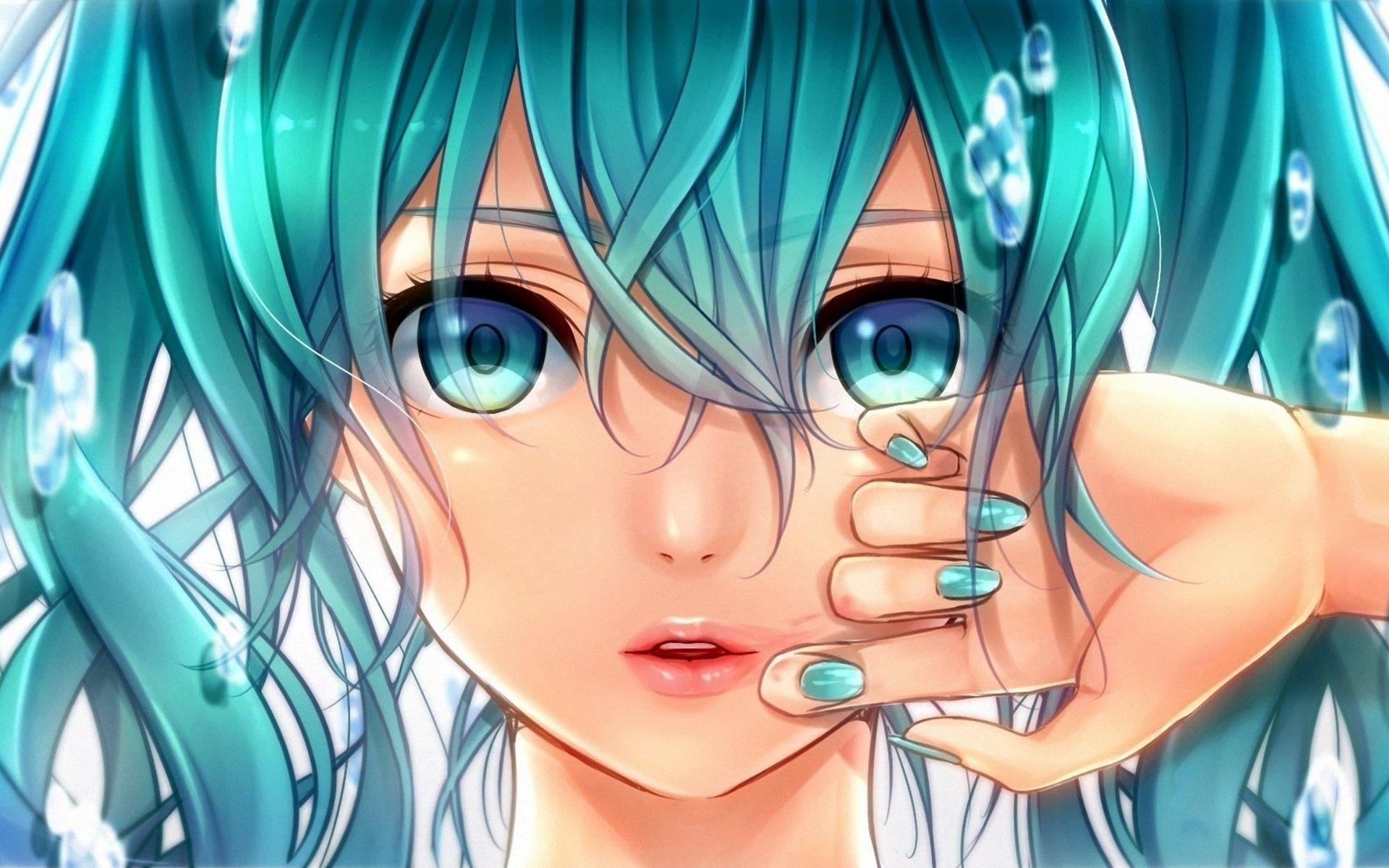
Blue hair isn't just a trend anymore. Honestly, it’s basically a permanent fixture in the modern visual landscape. You see it everywhere—from the girl grabbing an oat milk latte at the local cafe to global superstars walking the red carpet at the Met Gala. But what's the deal with women with blue hair? Is it just about the aesthetic, or is there something deeper going on with how we perceive identity through color?
Color is loud. Blue, specifically, is a contradiction. It’s the color of the sky and the ocean, which we associate with calm, yet on human hair, it’s an immediate signal of rebellion or "otherness." It’s an intentional choice. Nobody grows blue hair naturally. When you see women with blue hair, you're looking at someone who has made a conscious, often expensive, and high-maintenance decision to deviate from the norm.
The Chemistry of the Blues
Let's get technical for a second because the science behind this is actually kind of wild. Getting hair to be a true, vibrant blue is a massive pain. Most hair dye is "translucent." This means if you put blue over yellow-toned blonde hair, you don't get cobalt. You get a muddy, swampy green. To achieve that electric sapphire or soft pastel sky blue, the hair has to be bleached until it’s almost white—basically the color of the inside of a banana peel.
This process isn't just a quick trip to the salon. It involves stripping the natural melanin entirely. For people with dark hair, this might take two or three sessions to avoid literally melting the hair off. This is why women with blue hair are often the ones who are most dedicated to hair health; you have to balance the damage of lighteners with heavy-duty bond builders like Olaplex or K18.
Then there’s the fading. Blue pigment molecules are huge. They don't penetrate the hair shaft as deeply as reds or browns do. They just sort of sit on the surface, waiting for the first splash of warm water to wash them down the drain. If you’ve ever wondered why some blue hair looks slightly silver or minty, it’s likely because they haven't touched up the tint in three weeks. It’s a high-stakes hobby.
Cultural History and the "Alternative" Label
Blue hair didn't start with Tumblr or TikTok. If we look back at the punk movement of the 1970s and 80s, vibrant dyes were a middle finger to the "natural" beauty standards of the post-war era. Think about Vivienne Westwood’s influence or the London punk scene. It was abrasive. It was meant to be.
Fast forward a bit. Remember Marge Simpson? Her towering blue beehive was a caricature of the "blue-haired old lady" trope—a reference to the 1930s and 40s when older women used "blue rinses" to neutralize the yellowing of grey hair. It’s funny how the meaning shifted from "grandmotherly" to "radical rebel" within a few decades.
The Modern Iconography
Today, blue hair is less about anarchy and more about personal branding.
- Katy Perry: Her "California Gurls" era basically made candy-colored hair mainstream.
- Billie Eilish: Her iconic black-and-neon-blue roots phase became a global fashion movement.
- Halsey: She has rotated through almost every shade of the spectrum, using blue to mark specific emotional "eras" in her music.
It’s a shorthand for creativity. In the gaming world, blue hair is almost a trope for the "protagonist" or the "e-girl" aesthetic. It’s a way to stand out in a digital space where everyone is fighting for a millisecond of your attention.
The Psychological Impact of Shifting Your Identity
Changing your hair color to something unnatural changes how the world talks to you. Seriously. Women with blue hair often report a phenomenon where strangers feel more "allowed" to approach them. It acts as a conversational icebreaker. But it also comes with baggage.
There’s this weird, lingering "Manic Pixie Dream Girl" stereotype. You know the one—the quirky, blue-haired girl who exists solely to teach a brooding male protagonist how to love life. This trope, popularized by movies like Eternal Sunshine of the Spotless Mind (though Clementine’s hair was a plot device about her fluctuating moods), creates a lopsided expectation. People see the blue and expect "whimsical" or "unstable."
In reality, most women with blue hair are just people who happen to think the color looks cool. It’s an aesthetic preference, like wearing a leather jacket or a specific pair of sneakers.
Maintenance: The Part Nobody Tells You About
If you’re thinking about joining the blue-haired ranks, you need to know the logistics. It's not just "dye and go."
- Cold Showers Only: Warm water opens the hair cuticle and lets the blue escape. You will be shivering in the shower if you want that color to last.
- The Pillowcase Massacre: Blue dye rubs off on everything. Your pillow, your towels, your favorite white t-shirt. Everything you own will eventually have a faint cerulean tint.
- The Green Fade: As mentioned, blue fades weird. Unless you use a purple-toning shampoo to keep the yellow at bay, you'll eventually hit a "seafoam green" stage.
It's expensive. A professional double-process color (bleach + tone) can run anywhere from $200 to $600 depending on the city and the stylist’s expertise. Then you have the six-week touch-ups. It’s a financial commitment as much as a style one.
Why Blue Hair Persists in 2026
We are living in a time where "personal brand" is inescapable. Blue hair is a visual shortcut. It says, "I am not corporate," or "I am an artist," or simply "I don't care about your traditional standards."
Interestingly, we're seeing a shift toward "muted" blues—dusty denims and navy tints—which are a bit more "office-appropriate" (whatever that means these days). The stigma is dying. It’s hard to call blue hair "unprofessional" when some of the most successful creative directors and tech founders are rocking it.
The beauty of it is the variety. There isn't just one type of "blue-haired girl." There’s the pastel-goth aesthetic, the high-fashion avant-garde look, and the casual "I did this in my bathroom with a tub of Manic Panic" vibe. Each one tells a different story.
Actionable Steps for the Aspiring Blue-Haired
If you're ready to make the jump, don't just buy the first box of dye you see at the drugstore.
- Consult a Professional First: Even if you plan on doing it yourself eventually, get the initial bleach work done by someone who won't fry your hair.
- Identify Your Undertone: Cool blues look great on fair skin with pink undertones. If you have a warmer, olive complexion, look for blues with a slight green or teal base.
- Invest in "Direct Dyes": Brands like Arctic Fox, Good Dye Young, or Lunar Tides are "depositing" dyes. They don't use developer, so they won't damage your hair further, and you can mix them with conditioner to keep the color fresh.
- The "Sink" Test: Before you commit, buy a temporary hair wax or a high-quality wig. See how you feel when you look in the mirror at 7 AM.
Blue hair is a commitment to a specific way of being seen. It’s bold, it’s high-maintenance, and it’s undeniably striking. Whether it’s a phase or a lifelong signature, it remains one of the most powerful ways to take control of your visual narrative.